via Wikimedia Commons
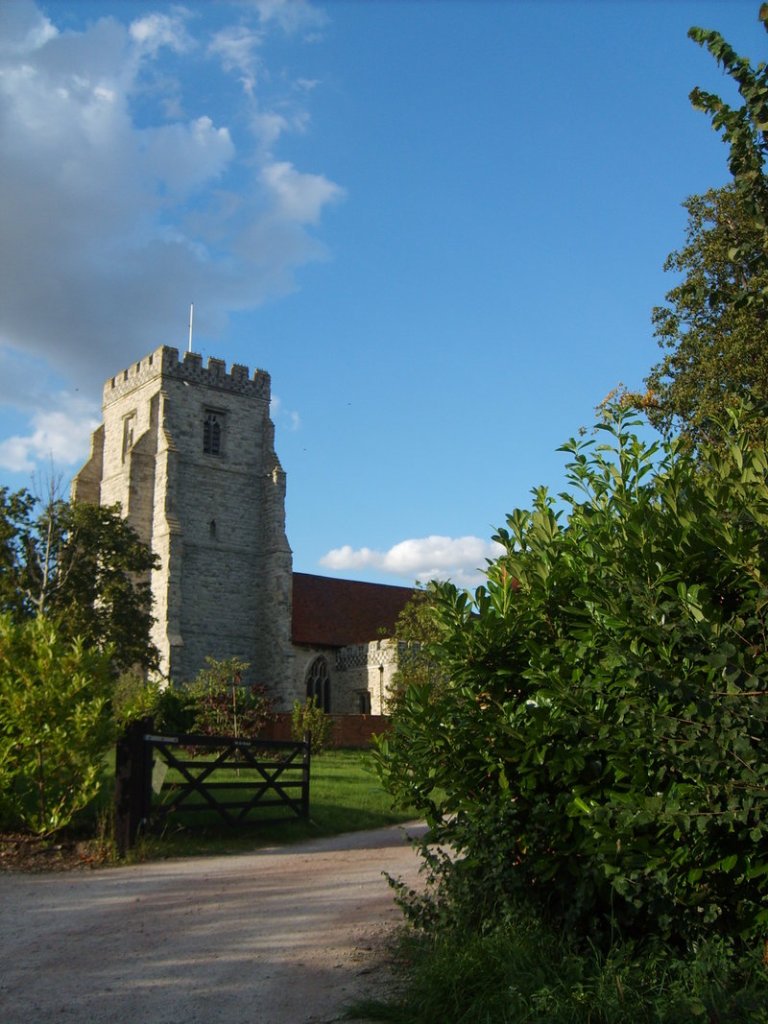
The 15th century tower of St Nicholas’s Church, Canewdon, rises on high ground. Legend has it that while the tower stands tall and firm, six witches will be found living in Canewdon village, three in silk and three in cotton (i.e. three rich and three poor). It is said that every time a stone falls from the church tower, a witch dies, but another immediately replaces her.
According to folklore, running around the church anti-clockwise at midnight on Halloween may summon the Devil, you may be forced to dance with witches, see a ghost atop the tower, or even travel back in time through a portal! (I actually mentioned this legend in one of my novels, ‘Richard Liveth Yet Book II: Another Country’.) Other versions of the legend claim walking around the building seven times reveals a witch, and thirteen times makes a person invisible. Because of these legends, visiting Canewdon to try out the myths became so popular that local police have traditionally sealed off the village to non-residents on Halloween nights.
During the 17th-century ‘witch fever’, even the notorious Witchfinder General, Matthew Hopkins, was told by Parliament to stay away from Canewdon because of its reputation for sorcery.
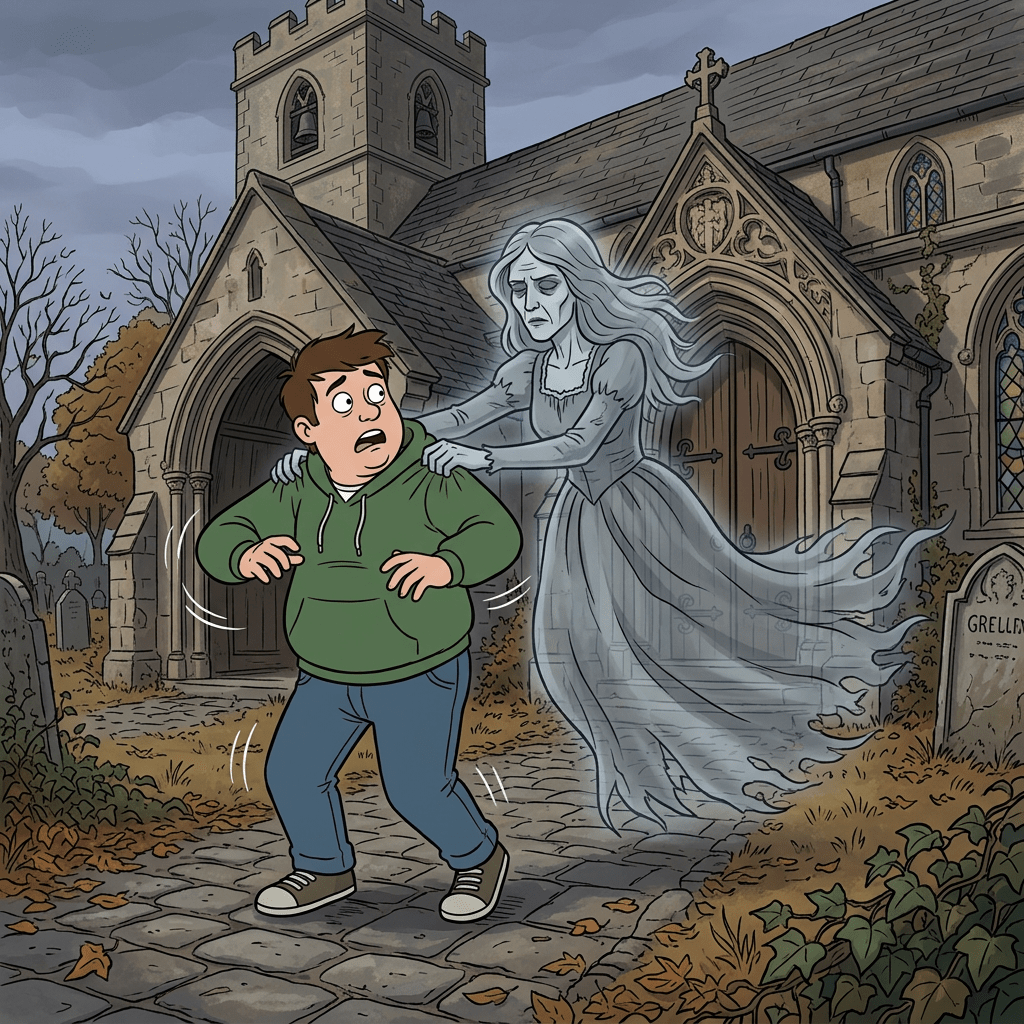
The church is also supposedly haunted by a ‘Grey Lady’ who floats from the church’s west gate down toward the River Crouch.
The Rochford Hundred of Essex, where Canewdon is located, has long been referred to as ‘the witch country’. There are many local stories of witches and wizards. The earliest recorded case of witchcraft seems to be of Rose Pye, a spinster. In 1580, she was accused of living as a witch and bewitching to death Johanna Snow, a year old child. Rose pleaded not guilty. Although acquitted, Rose stayed in prison and died there a few months later.
The name Canewdon is said to be a corruption of (the Danish King) Canute’s Dune or Hill and most historians do accept that Canute camped here the night before the Battle of Ashendon, during his successful invasion of Essex in 1016. Remains of his camp are thought to be marked in the entrenchments between the village and the river. However, the name Canewdon actually predates Canute by about 400 years and is derived from the Old English ‘hill of Cana’s people,’ first mentioned in writing in the Domesday Book of 1086 as Carenduna. But Canewdon was ancient long before the arrival of Saxon or Dane because the Romans were there first. On the hill west of where Canewdon Church stands today, they set a beacon in the charge of a Roman officer. Their headquarters were in Billericay.
Later, in Medieval times, when Canewdon was quite an important market town consisting of five manors, it’s Guild of St Anne used to maintain a light in the tower to serve as a beacon to sailors and fishermen of the Essex coast. Later, in 1937, several radar masts were erected, now dismantled. They were the first radar masts to be erected in England.


Leave a comment