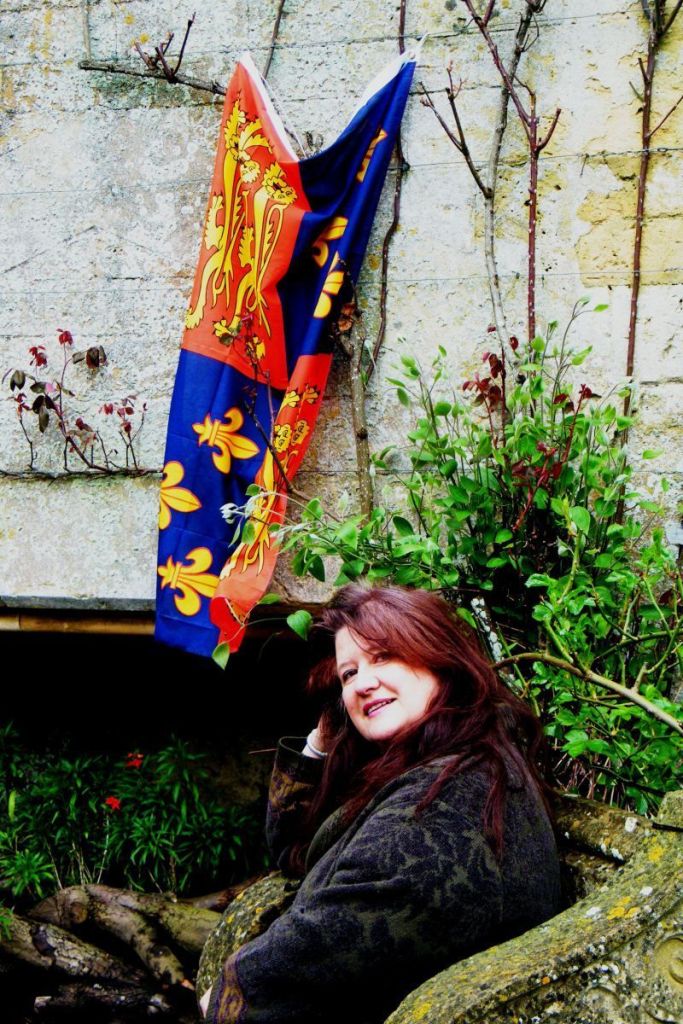
This is next in the Murrey and Blue series ‘An Interview with…’
As JP Reedman, Janet is a prolific writer of Ricardian and mediaeval fiction. She has written a series of novels about Richard III in the first person (I, Richard Plantagenet) and also a fantasy novel (Sacred King: Richard III: Sinner, Sufferer, Scapegoat, Sacrifice). Her ‘Medieval Babes’ series explores the forgotten lives of various medieval women.
Joanne Larner: How did you first become interested in Richard III?
Janet Reedman: I think I first became aware of Richard while quite a young child, when my sister, who was fifteen years older than me, told me stories from British history. My real interest began when I discovered Sharon Penman’s The Sunne in Splendour in the early 1980’s. I read mostly fantasy back then, but there was nothing new at the library except this hefty tome which promised lots of knights, battles, and intrigue! So I checked it out, and was hooked from the first pages—I remember excitedly telling my mother over the dinner table, “You know the Princes in the Tower—there’s a lot of information that points to Buckingham being involved in their disappearance!”
JL: Have you always written or what prompted you to write?
JPR: I was hyperlexic as a child, with reading and spelling very much encouraged by my sister and mother. I wrote my first story at five. My first piece of historical fiction was a year later—an illustrated version of Cleopatra! I filled notebooks with stories from then on, and began writing long fantasies from 11 onwards after I discovered the works of Tolkien, Alan Garner, and Susan Cooper. I still dabble in fantasy and have something I hope will be ‘major’ on the back-burner.
JL: What was the first fictional book you read about Richard III apart from Shakespeare?
JPR: As I mentioned I read Sunne in Splendour in about 1983 . After Richard’s remains were found in 2012, my interest in his life and the Wars of the Roses soared again, and I began to collect whatever stories I could find on him in either print or kindle. We Speak No Treason by Rosemary Hawley Jarman is probably my all time favourite Ricardian novel and one of the first ones I bought after Richard was found. Treason by Meredith Whitford was another one I read early on and really enjoyed.
JL: How does your experience coming from Canada and living in England shape your perspective on the mediaeval era?
JPR: My mother was an English war bride who married a Canadian tank driver. I think she was always quite homesick even after many years over there. My parents’ house was full of British magazines and books with pictures of villages, towns, abbeys, and castles. Mum listened to records with folksongs from all over the British Isles and Ireland. I first travelled to the UK with her when I was not quite five. My clearest memories are of climbing the keeps of Guildford and Windsor castles!
JL: Do you find that your archaeological background helps you in your writing?
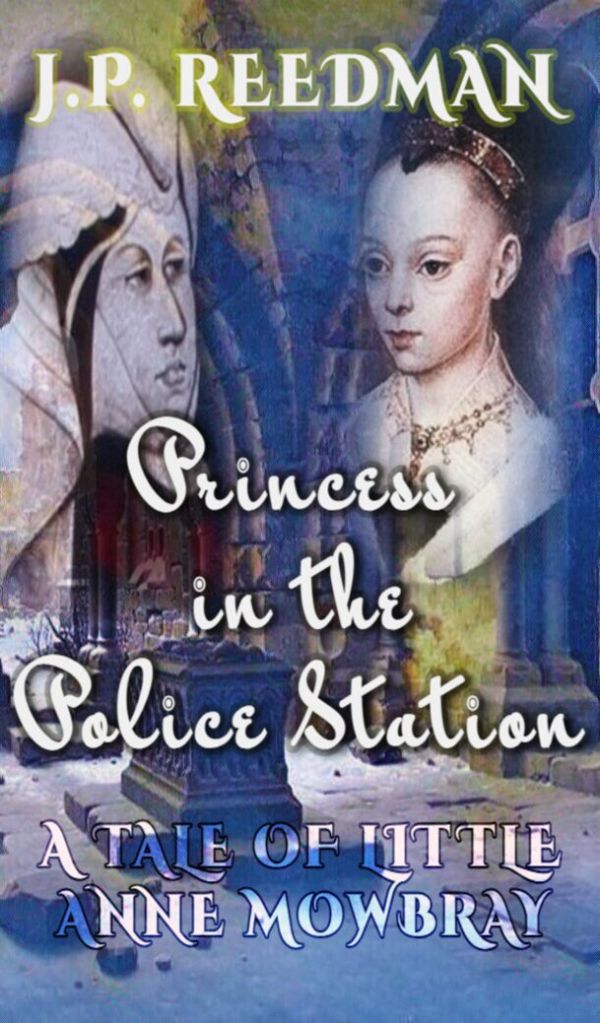
JPR: It certainly plays a part as well as a lifelong study of folklore. You will usually get some archaeological remains as well as some local legends in most of my works. An example in one of my Ricardian ones is having a young Richard and Francis Lovell exploring the mound known as William’s Hill, which stands behind Middleham Castle and was the site of the original Norman Castle. My novel on little Anne Mowbray deals with not only her finding and her and her mother’s life story, but what was found within her coffin and what was learnt about medieval burial in the 15thc.
JL: How do you balance historical accuracy with creative liberties in your fiction?
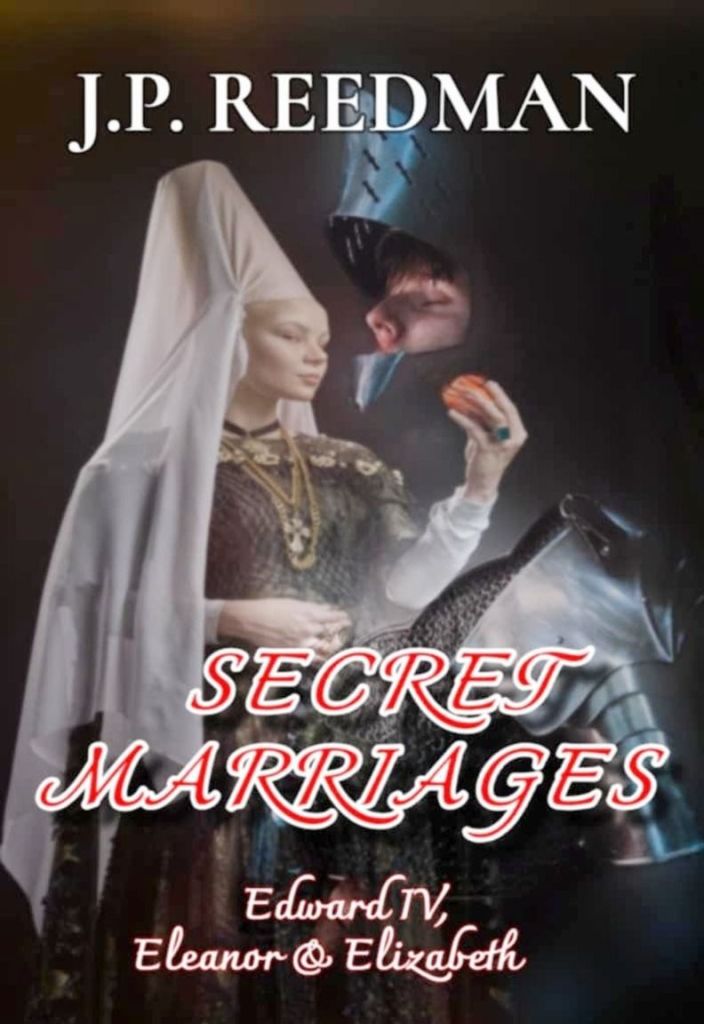
JPR: I try to use as many authentic characters as possible and invent few. Occasionally the details just aren’t there, or are conflicting, and a fiction writer does have to invent those parts for clarity. I attempt to construct something plausible—for instant, in SECRET MARRIAGES, which is about Edward IV and Eleanor Talbot, I had her settled as a widow in a Warwickshire village where she held the manor. As I researched the village, by pure accident I found a connection with Edward IV—he had paid for upkeep of the church AND given a loaf of bread to everyone in the village! So from that real event, I could weave a few distinct possibilities.
JL: What’s your writing process like? Where do you find inspiration?
JPR: I try to write something every day even if only a paragraph. It quickly tallies up. I have a bad habit of feeling most inspired in the evening, which leads to some very late nights! I am a visual person and the visual imagery in my stories is one of my strong points–I get a lot of inspiration from visiting castles, abbeys, ancient churches, and similar sites.
JL: There are many works of fiction involving Richard III. How do you make yours stand out from the crowd?
JPR: When I first decided I was going to write a full length novel on Richard, I intended for it to be in 3rd person as that’s what I usually wrote. But someone suggested I try first person instead, so I crossed my fingers and leapt into the breach! Philippa Gregory’s novels were very popular at the time and they were in 1st person, so I thought, ‘I’ll give it a try.’ I also didn’t want to make my books quite as serious as some of the novels I had read on Richard. The Middle Ages were bright and bawdy!
JL: Can you tell us about a favourite character or project that you’ve worked on, and what drew you to it?
JPR: As I have told a few people, I have a really odd fascination with Henry Stafford, Duke of Buckingham! He intrigues me as he’s such a ‘Dark Horse’! I am even tempted to do a short, informal, non-fiction booklet on him at some point. I am also fascinated by the Belleme family of Normandy and, later, England. What a notorious bunch!
JL: What advice would you give to aspiring writers who are interested in blending historical themes with fiction?
JPR: Don’t be scared to give it a try! I admit I was leery at first because there were so many characters and important background figures, and I was afraid I’d leave someone out or get a major section out of chronological order. It is worth writing a brief outline containing relevant points and names of people people before you begin in depth. And recheck everything! When people got their titles, lands, when they were knighted, when their children were born…
JL: You’ve done a series called Mediaeval Babes about less well known medieval females. What started your interest in writing about the women of the mediaeval period and how do you create a novel when in many cases there’s so little known about these women?
JPR: Queen Eleanor of Provence is buried in my home town of Amesbury, her grave lost during the Reformation. I thought I’d write about her as a ‘local project’ and to my surprise (and delight!) the book took off up the charts. I began thinking that there must be other medieval women seldom written about and found loads, from the wicked ones like Mabel de Belleme, to the gambling princess Nun Mary, to industrious Ela of Salisbury, countess in her own right and Lady Sheriff. The information about most of them could be patchy, so I filled those areas out by learning about what was going on historically in the background at that time.
JL: Several of your novels are written in the first person, as if narrated by Richard III. How did you get into the head of a mediaeval man?
JPR: I had written male characters in my fantasy works before; in fact, I wrote mostly male characters. It was a little scary doing this for a real historical figure, though. I read a number of books about medieval youths, their education and their knightly training, which was a start—and of course all young men have similarities over the centuries…Think of the Carmina Burana, which is very bawdy and irreverent, and was written by medieval students!
JL: You also wrote a novel about the Duke of Buckingham, who is usually regarded as a villain in Ricardian fiction, and yet you managed to make him, if not sympathetic, at least understandable. How did you do this?
JPR: I think a little black humour helps to light up a character of that nature. I didn’t want to paint him as an outright villain, but rather the product of his own upbringing and ego. His son, Edward 9beheaded by Henry VIII), seemed to have had a nature that was quite similar to my fictional Harry Stafford, so maybe (hopefully) I was on the right track!
JL: What was your most challenging work and why?
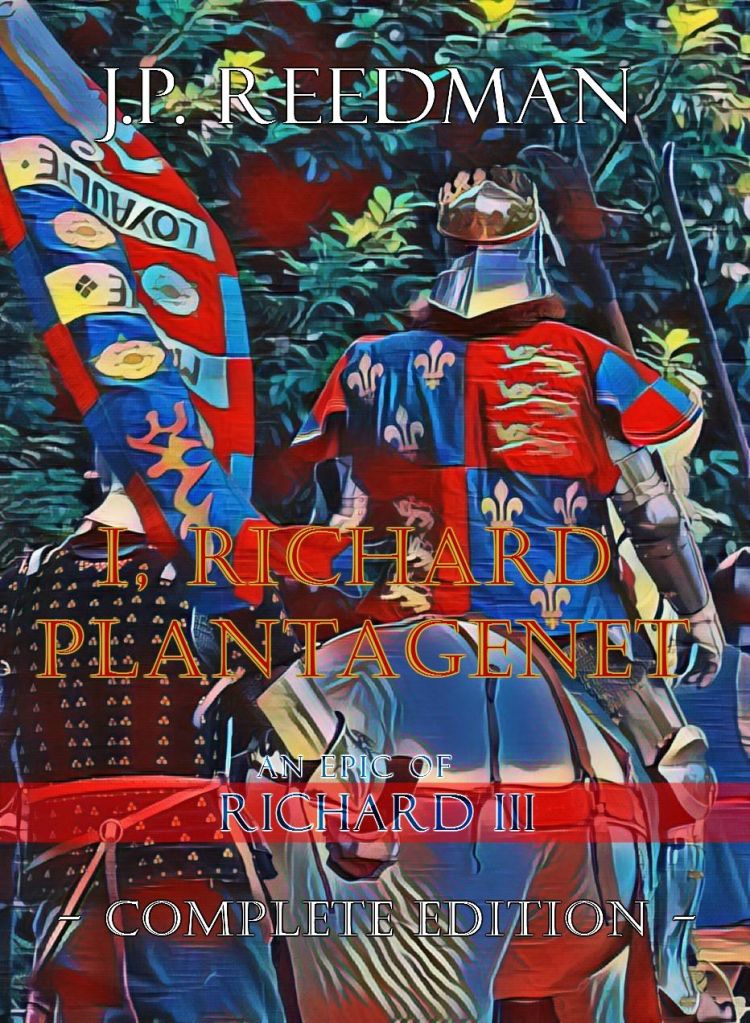
JPR: It probably was the first I, Richard novel—coming to grips with the 1st person format, sitting till 2 AM in an absolute sea of open history books, sifting through what I wanted to put in and what could be left out.
JL: How do you feel About the bones in the urn?
JPR: I strongly suspect they aren’t those of the princes. Found too deep in an area known to contain many human remains. They are still finding various burials of all dates all over the Tower grounds, and a Roman cemetery was discovered only a few hundred yards away. The church next to the Tower has a crypt full of Roman tombstones and artefacts! The Tower itself stands over a basilica.
JL: What would you say to people who believe that Richard III murdered the Princes?
JPR: I used to argue with them a lot. Now I just (usually) say ‘proof, please.’ Some folk just won’t have it any differently, and I truly don’t think you can ever change their minds, not even if absolutely overwhelming evidence was discovered. The archetype of the ‘wicked uncle’ is a strong one as are all archetypes, being rooted deep in our psyche.
JL: If you could go back in time and say one thing to Richard III, either a question or a word of advice, what would it be?
JPR: I’d go right back to Hornby Castle and say, ‘I know you are trying to help the Harringtons, but getting on Thomas Stanley’s bad side is not the best idea!” and “Buckingham is what we might call a narcissist in modern times—he’ll flatter you, befriend you, use you to get what he wants, but he’ll never be satisfied and in the end he’ll betray you.”
JL: Are there any upcoming projects or books you’re excited to share with readers?
JPR: I am currently working on a novella about Mary, Edward IV’s daughter who died at 14. Like her father and little Anne Mowbray, whom she knew and might even have been friends with, her coffin was once opened and a description of her appearance survives. It should be out in March. I also hope to do something on George of Clarence this year, and Isabella of Angouleme, the wife of King John.
LINKS:
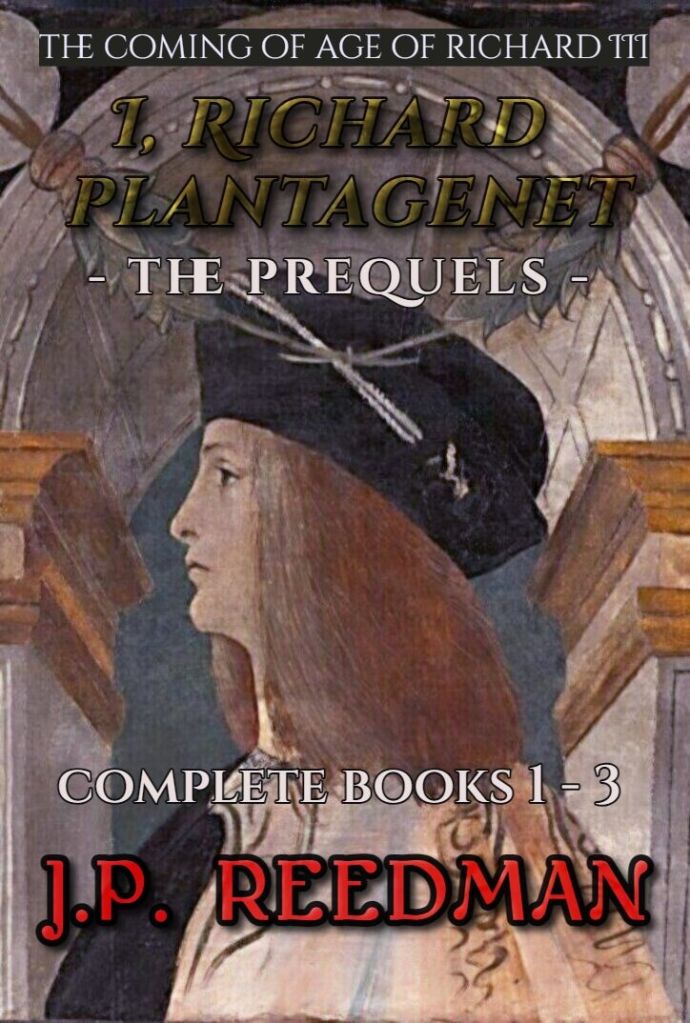
mybook.to/comingofage I, RICHARD PLANTAGENET, 3 PREQUELS in 1 volume. Richard III’s childhood, teen years & exile with Edward IV.
http://mybook.to/EPICRICHARDIII Richard in his own 1st person words. From triumph at Barnet to the disaster of Bosworth. (2 BK omnibus.)
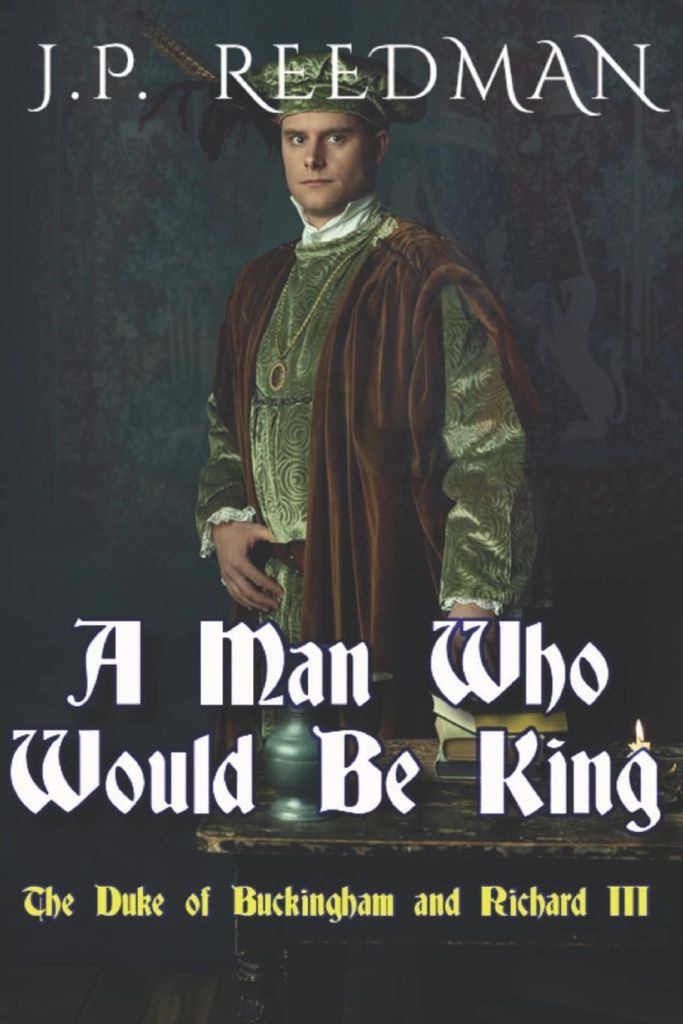
GetBook.at/BUCKINGHAM A MAN WHO WOULD BE KING. Henry Stafford, Duke of Buckingham in first person. ‘I want to be King Henry VII!’
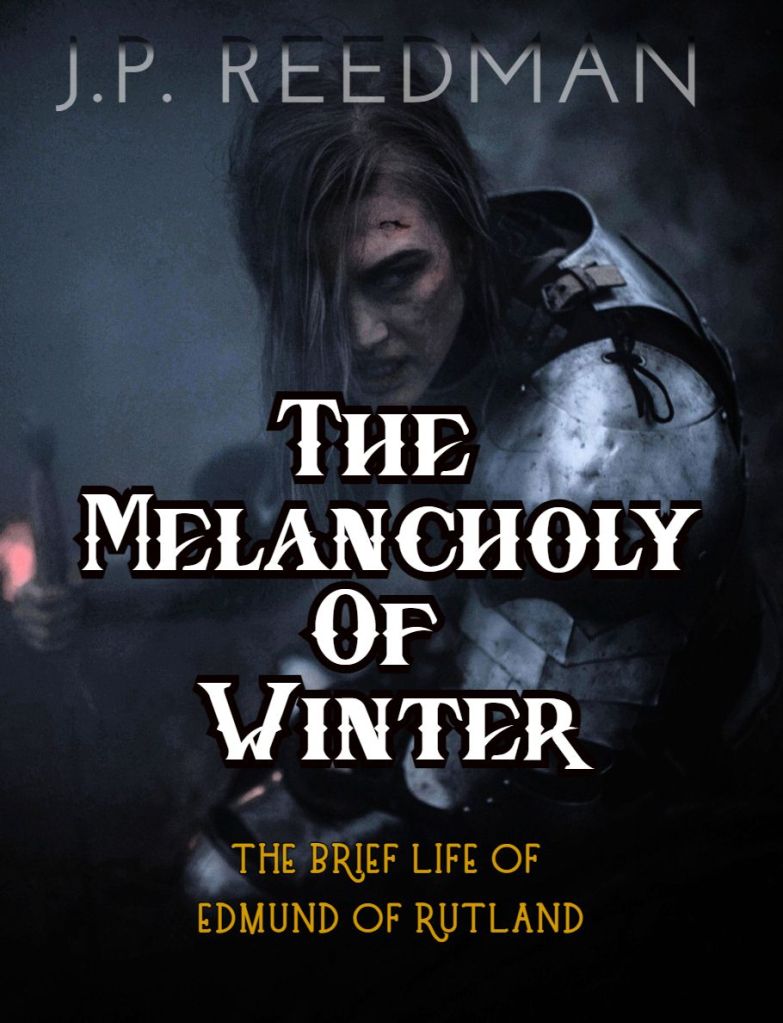
mybook.to/falconyork THE FALCON AND THE SUN Series of novels about the HOUSE OF YORK. 1)Blood of Roses, Edward IV & Towton 2)Secret Marriages, Edward IV’s unfortunate affairs 3) The Melancholy of Winter. Edward and Richard’s younger brother, the tragic Edmund.
mybook.to/wotrshorts WARS OF THE ROSES SHORT STORIES.
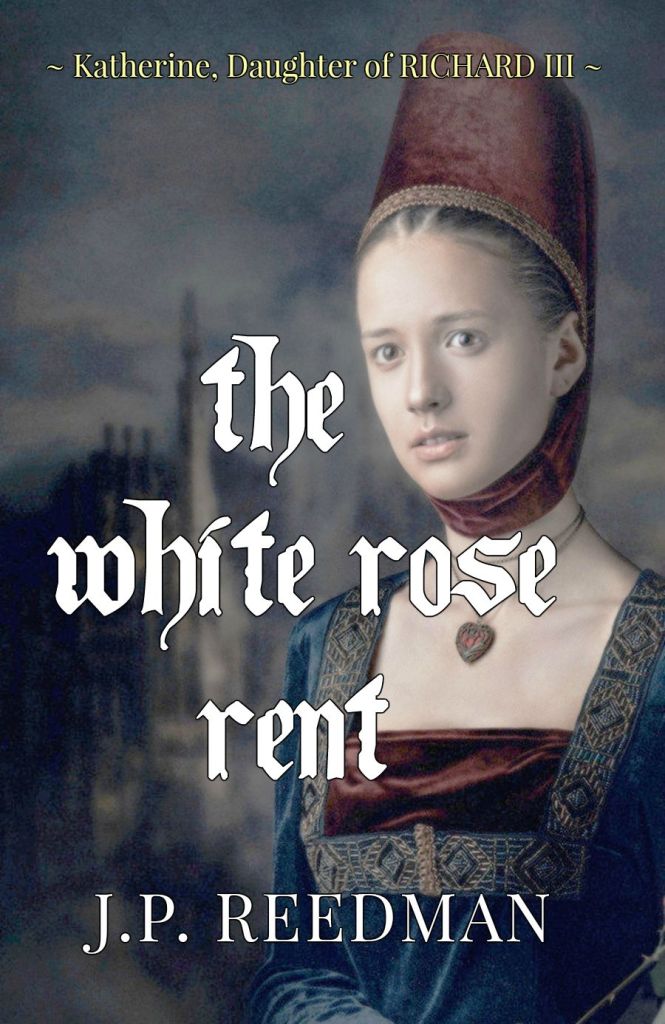
http://mybook.to/MEDIEVALBABES . Biographical Fiction on Medieval Women. Includes novels on Richard’s illegitimate daughter, Katherine, and little Anne Mowbray and her mother, Elizabeth Talbot.

 The New Murrey and Blue blog
Leave a reply to viscountessw Cancel reply