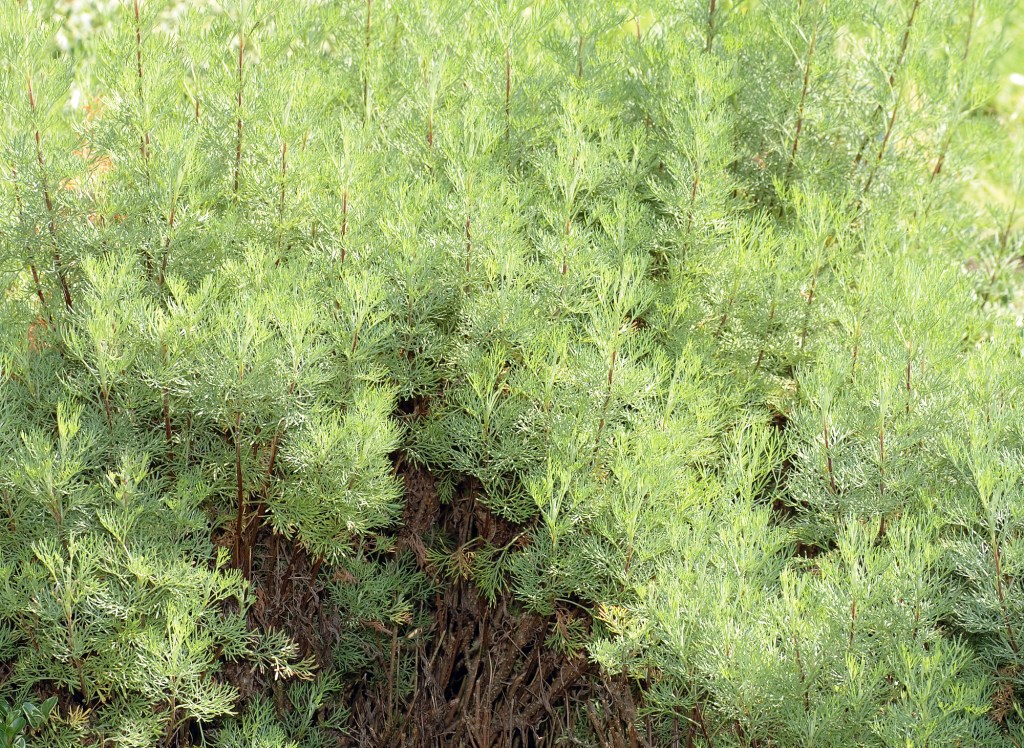
Southernwood (Artemisia abrotanum) is a fascinating herb. It is a shrubby, perennial herb that can grow quite tall, up to 3-4 feet. It prefers well-drained soil and full sun. It’s fairly low-maintenance but may need pruning to ensure it stays bushy and healthy.
In mediaeval times:
- Southernwood was used as a strewing herb, scattered on floors to freshen the air and repel insects.
- It was believed to have medicinal properties, treating complaints like indigestion and worms.
- It was also used as a natural insect repellent, protecting clothing andother fabrics from moths and similar pests.
Qualities:
- Southernwood has a strong, slightly bitter fragrance, often described as a mix of citrus and herbs.
- It is a member of the wormwood family, containing compounds with insecticidal properties.
- Southernwood contains camphor, which gives it its distinctive fragrance and potential medicinal properties.

Modern Use:
- While not as widely used as it once was, Southernwood is still employed in some traditional medicine and herbalism.
- It is sometimes used in potpourri and as a natural insect repellent.
- Some gardeners cultivate it as an ornamental plant or for its fragrance.
Mediaeval Folklore:
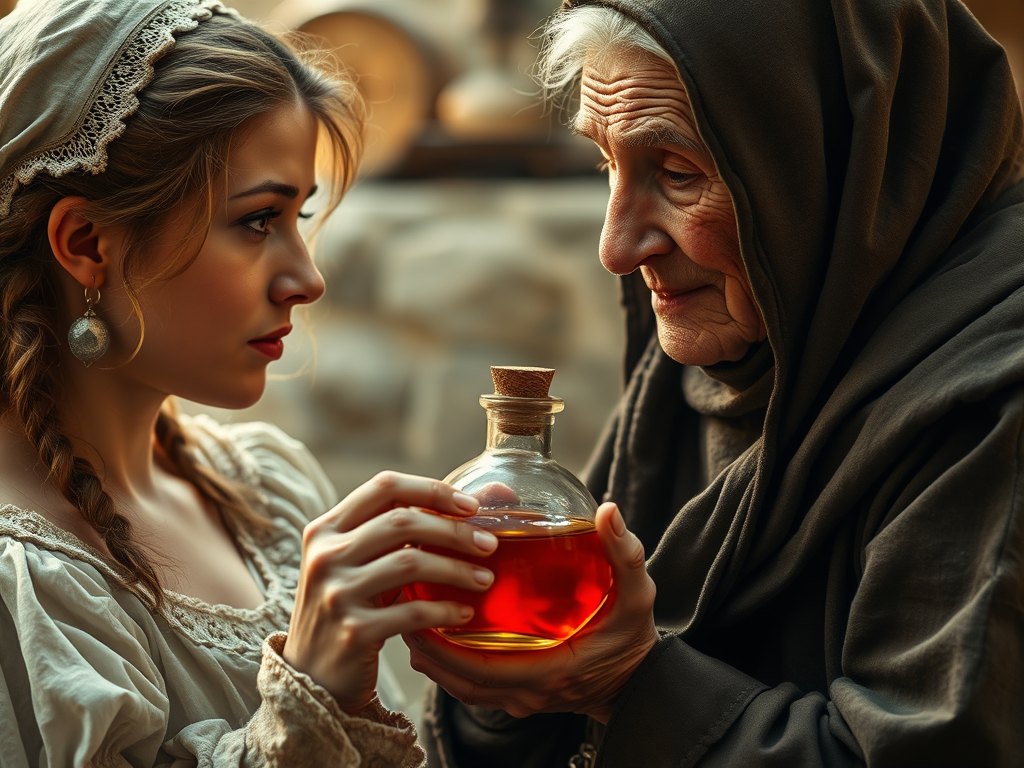
- It was often associated with love and romance. It was believed to have aphrodisiac properties and was used in love potions!
- Southernwood was believed to promote youthfulness and vitality.
- It was also thought to ward off evil spirits and protect against witchcraft.
Culinary uses:
- While not often used in cooking today, Southernwood’s leaves and flowers can be used to make teas, infusions, and flavourings.
Precautions:
- Southernwood should be used with caution, as it can be toxic in large quantities or with prolonged use.
- Pregnant or breastfeeding women, in particular, should consult a healthcare professional before using Southernwood.

 The New Murrey and Blue blog
Leave a reply to viscountessw Cancel reply