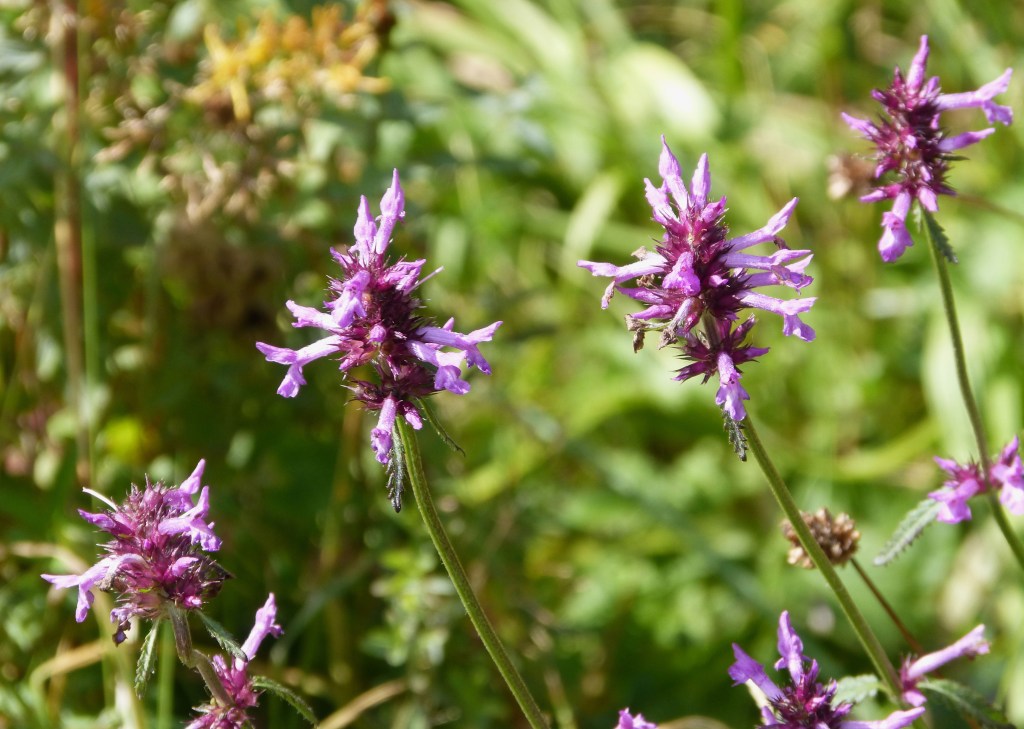
Betony (Stachys officinalis) is a perennial herb that has been used for centuries in medieval medicine, cooking, and even magic! Here are some fascinating facts about betony:
Medicinal Uses
- Headaches and migraines: Medieval herbalists used betony to treat headaches, migraines, and even vertigo.
- Digestive issues: Betony was used to soothe digestive problems, such as indigestion, nausea, and diarrhea.
- Wound healing: The herb was applied topically to treat wounds, cuts, and skin conditions like eczema.

Culinary Uses
- Tea and infusions: Betony leaves and flowers were used to make a tea that was said to have medicinal properties.
- Cooking: The leaves were used in salads, soups, and stews, adding a slightly bitter flavor.
Magical and Superstitious Uses
- Protection: Betony was believed to offer protection against evil spirits, curses, and even snakes.
- Dreams: Medieval people believed that betony could induce prophetic dreams and improve sleep quality.

Other Interesting Facts
- Name origin: The name “betony” comes from the medieval Latin word “betonica,” which was derived from the Celtic word “bewton.”
- Folklore: In medieval folklore, betony was said to be a favorite herb of the elves.

Overall, betony was a highly valued herb in medieval times, and its uses ranged from medicinal and culinary to magical and superstitious.

 The New Murrey and Blue blog
Leave a reply to John Ralph Cancel reply