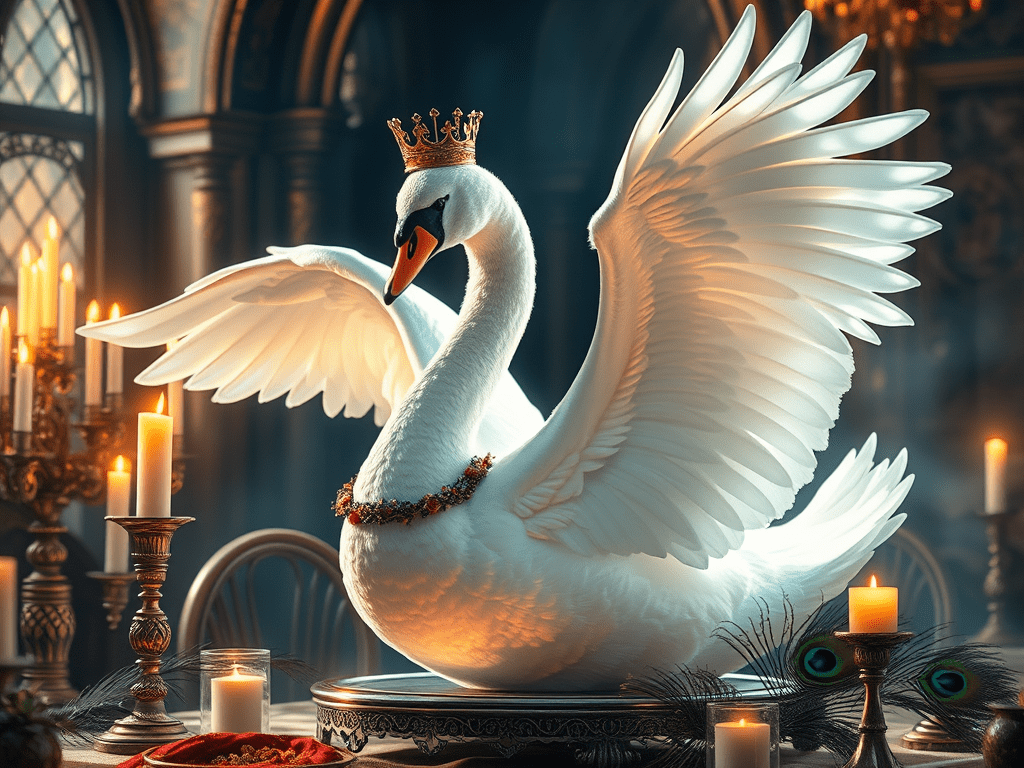

These are probably the first things we think of when we picture mediaeval feasts, although both of them were thought of as tough and difficut to digest. However most great banquets had either one or the other of these, served in full plumage, because they made such an impressive spectacle. They were often served at royal banquets, so Richard III would probably have had it often.
Swan was served with ‘chaudron (chawd-wyne) a sauce specially for swans, made from the swan’s intestines, cut up small and boiled in broth with its blood, vinegar and spices. It was black in appearance and was served hot.
They probably kept a cured skin with the feathers (feathered head with beak and some tail feathers) for whenever they were neeeded for dressing a bird. It would be served as if sitting on its nest with the head held in position by a skewer, threaded through the mouth, down the neck and into the body.
Here’s the description of the procedure:
Cut a swan in the roof of the mouth up to the brain and let it bleed and keep the blood for chaudron or else tie a knot in his neck and let his neck break; then boil him. Draw him and roast him like you would a goose and serve him with chaudron.
The swan, the most expensive bird, was served with a crown and garland on a silver or gold stand with its wings and head erect and arched neck. It was more commonly served than the peacock and continued for longer in history through ‘Swan Upping’, an 800-year-old tradition where a member of the Royal Family and several ‘Swan Uppers’ row up the Thames collecting swans to check they are healthy. The term “upping” refers to the rowing of the boats up the river.
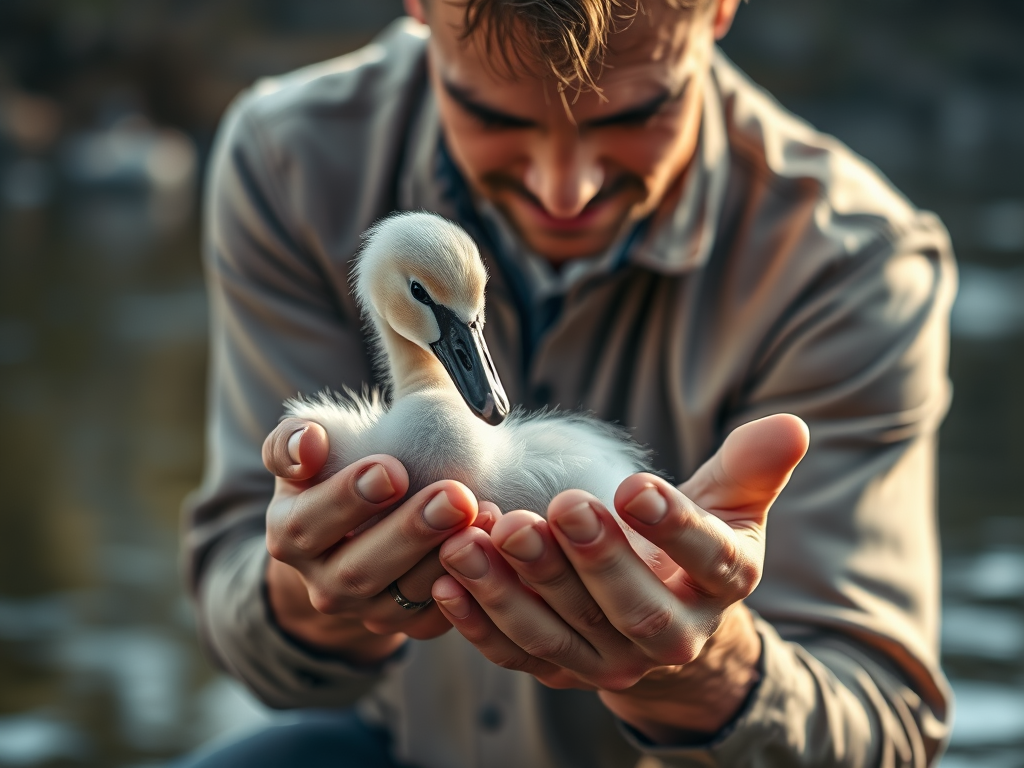
Swan Upping is the traditional means of dividing the realm’s swans equally among the Crown, the Vintners’ Livery Company and the Dyers’ Livery Company. It used to include a feast where a swan was eaten, but now its main use is as a yearly census of mute swans on the river, making it an important part of wildlife conservation.
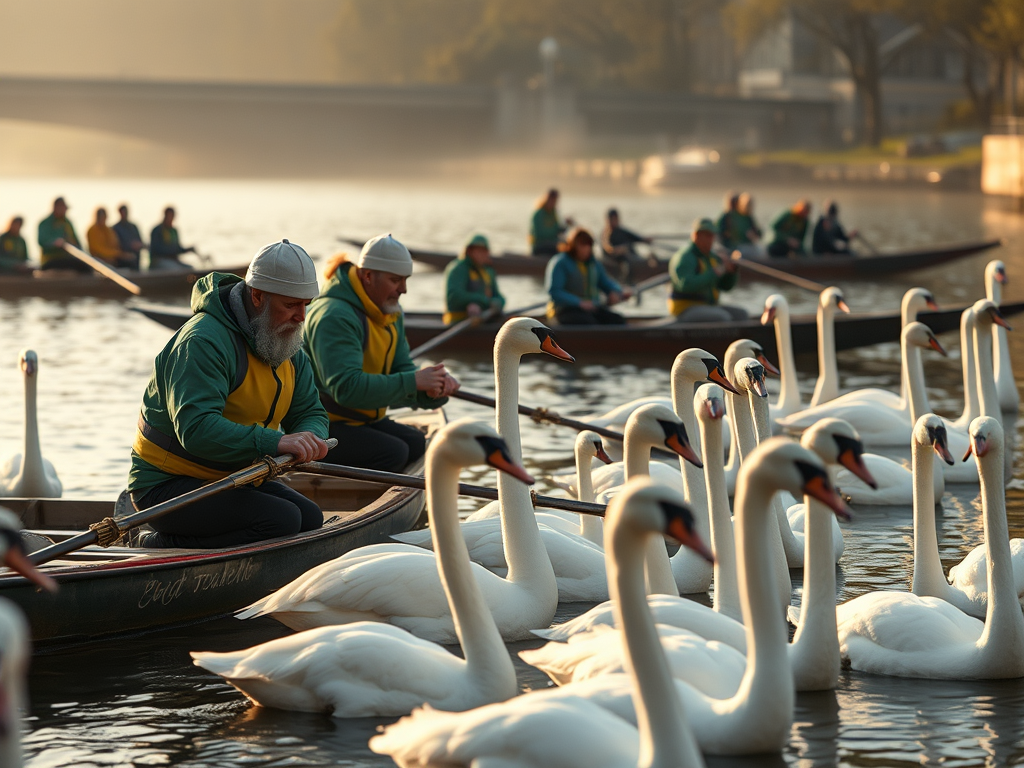
Royal ownership dates back to the Middle Ages, when the birds were a symbol of status and a culinary luxury. In order to protect the birds as an asset, the Crown declared that any unmarked swans belonged to them. The English monarch thus had the additional title of ‘Seigneur of the Swans’ and the tradition of Swan Upping was born. Now, although swans are no longer eaten, the tradition continues.
The annual event takes place towards the end of July. The team weigh the cygnets (baby swans), measure their beaks and examined them for any injuries, often caused by fishing lines and pollution.
Peacock was flayed (the skin and feathers all together) and served trussed in an upright position after being roasted and cooled. Then the skin and feathers were replaced around it, served like the swan, except with a gilded comb and golden chain, instead of a crown and garland.
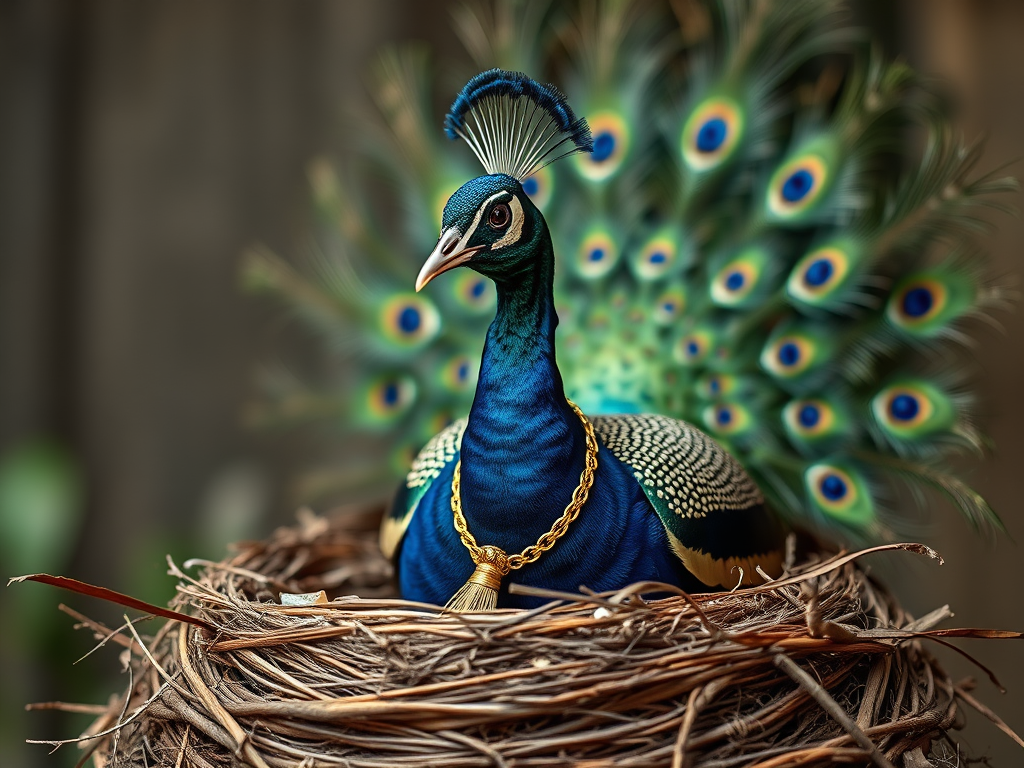
For those of you who would like to see the description of its preparation, here it is:
Take a peacock, break his neck and cut his throat, and flay him, the skin and the feathers together and the head still attached to the skin of the neck. And keep the skin and the feathers whole together. Draw him like a chicken and keep the bone of the neck whole and roast him and set the bone of the neck above the breast as if he was alive And attach the legs to the body as if he was alive; and when he is roasted enough, take him out and let him cool. And then wind the skin with the feathers and the tail around the body. And roast him and serve him as you do a chicken.
 The New Murrey and Blue blog
Leave a comment