Costmary (Tanacetum balsamita)
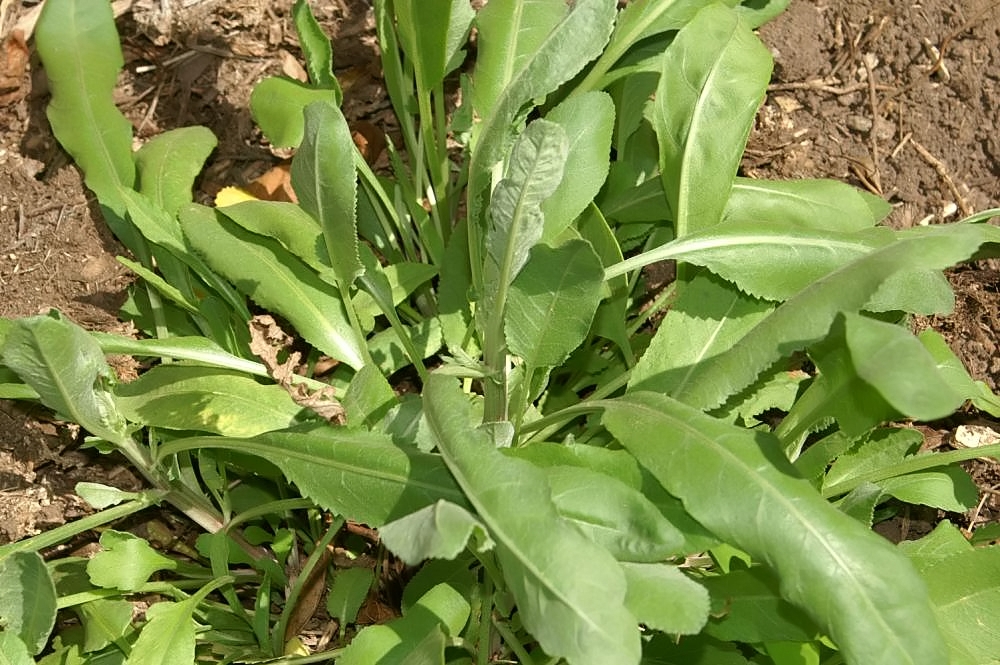
Costmary is an aromatic, perennial herb of the aster family. Costmary was a common ingredient in medieval tavern and kitchen gardens. It is also known as alecost, balsam herb, bible leaf, and mint geranium. The name ‘costmary’ comes from ‘costus of Saint Mary’ (‘costus’ is another plant). Also, in other languages, it is associated with the Virgin Mary, probably becauseone of its uses was as a treatment for women’s problems.
Its quite long, broad leaves have finely toothed margins. The stems grow up to two metres from the roots and, in August, they bear at their tops, heads of smallish, yellow, button-shaped flowers. Its leaves have a bitter, slightly lemony flavour and may be used fresh in salads and fresh or dried as a flavouring for meat and poultry.
Flavouring
- Costmary is also known as alecost, because it was used to add a spicy flavor to ale. It was used to flavour beer before hops began to be used in England in the late fifteenth century.
Medicine
- It was used to make remedies for ailments including earache, bruising, and sores. Costmary was made into a tea with honey and cloves to ease digestive pain and stomach cramps and its leaves were used in ointments to help with bruises, itching, and small wounds.
Freshening
- Bunches of costmary and lavender were used to freshen bedding by placing them within the bedclothes. It was also strewn on the floor with rushes to freshen them.
Other uses
- Costmary leaves were used as bookmarks. and in washing water to ‘sweeten’ it.
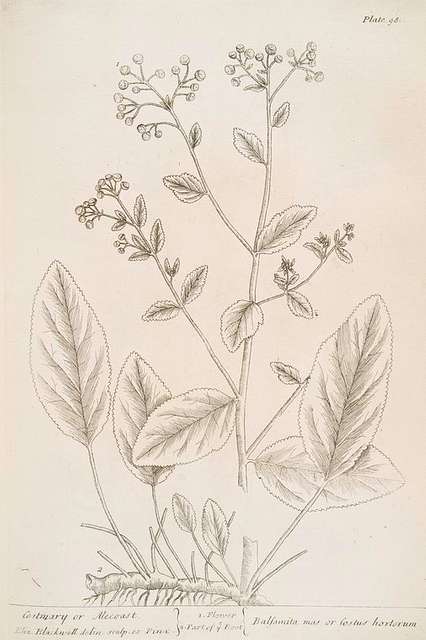
Top Photo by David J. Stang, CC BY-SA 4.0 <https://creativecommonPhoto by David J. Stang, CC BY-SA 4.0 https://creativecommons.org/licenses/by-sa/4.0, via Wikimedia Commons

 The New Murrey and Blue blog
Leave a reply to tudorqueen6 Cancel reply