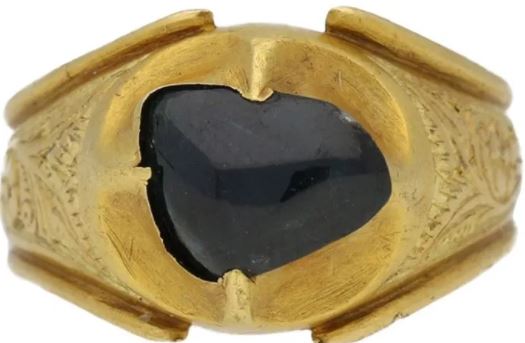
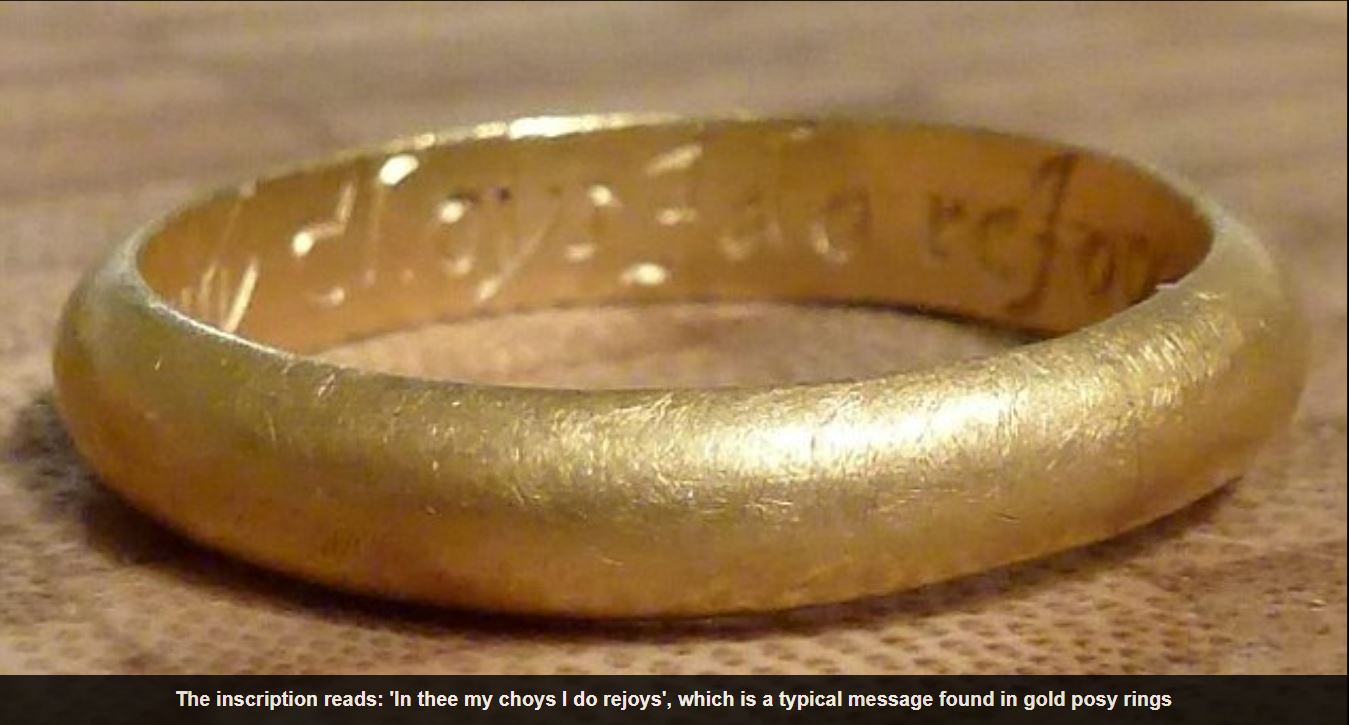
Treasure buried in fields and discovered centuries later are always in the news these days. These are usually coins, of course, but also jewellery, including posy rings. A posy ring was found in Wales very recently so I was interested to then read about the true meaning of such rings in A Crisis of Truth by Richard Firth Green.
Froissart tells an interesting anecdote about King Edward III and the Countess of Salisbury. No, not the story of the garter, or indeed which Countess of Salisbury it could possibly have been. It seems that the amorous monarch wanted a formal understanding. For her to be his official mistress perhaps? He was already married and so was she, so mistress was all she could possibly hope to be. If she hoped anything. Truth to tell, she doesn’t seem to have wanted any such relationship, king or not.

Edward’s rather sneaky plan was to trap her into his tender web by wagering a precious ring on the outcome of a game of chess. Which he loses deliberately of course, but she is fooled into accepting the ring. The next morning, however, more than sunlight dawns and she realises the trick. She gives the ring to her maidservant to return to the king, but he refuses to accept it. The maidservant brings the ring back, but the countess won’t accept it either. The fortunate maidservant ends up with the costly object. Its value would probably have set her up for life!
There is another quaint story of the full meaning of such gifts. A lady travelling borrows a horse from one admirer and a cloak and hat from another. Which of these admirers should she hold in true regard? It might seem an odd question, because surely she needs the horse and the clothes, but no, the correct answer is the admirer who gave her the clothes. Why? Because when she dons the cloak it will rest against her heart.
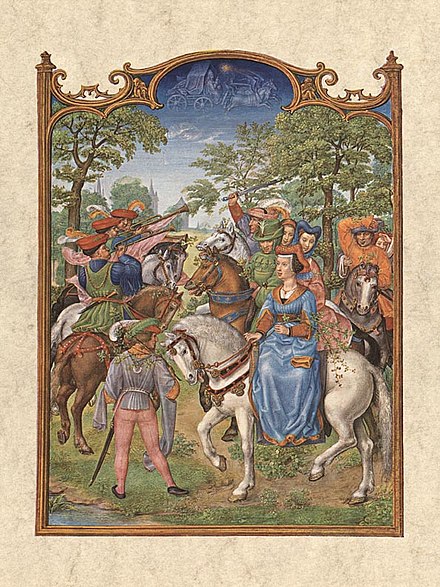
Courtly love is behind it all, of course. So the posy rings that Chaucer’s Troilus and Criseyde exchanged, and the “broche, gold and azure,/ In which a ruby set was lik an herte” that Criseyde puts inside her lover’s shirt would have been recognised at the time as contractual tokens.
So posy rings weren’t just a gift, they were a very meaningful gift!

 The New Murrey and Blue blog
Leave a reply to MEDIEVAL POSY RINGS – GIVEN WITH LOVE… – murreyandblue Cancel reply