medicine
-
Mediaeval people cherished chervil (Anthriscus cerefolium) for spring cleansing, digestion, and boosting the mood, symbolising new life with its flavour, similar to anise. It was used in soups, particularly Lenten ones, teas, and as a digestive aid, sometimes as a magical form of protection . It was called ‘myrrhis’ because it smelled similar to myrrh,…
-
Feverfew (Tanacetum parthenium) was an important mediaeval herb. It is a bushy perennial with feathery, bright green leaves and small, daisy-like white flowers with yellow centres, similar to chamomile but its flowers are flat-topped. Its name, feverfew, or ‘fever reducer’ derives from the Latin febrifugia, meaning ‘to put fever to flight’. It was used, as…
-
Lovage (Levisticum officinale), a tall, leafy perennial with a strong scent, was popular in mediaeval times, used for medicinal purposes, in cooking and famously, in love potions because of its name, from Middle English ‘love-ache’, where ‘ache’ meant parsley. Its use dates back to the 12th century. Medicinal Uses- Medieval people used all the parts…
-
Vervain (Verbena officinalis) is another fascinating medieval herb with a rich history! Here are some interesting facts about vervain: Magical and Superstitious Uses Sacred herb: Vervain was considered a sacred herb in ancient Egypt, Greece, and Rome, and was associated with the gods. Protection and purification: The herb was believed to offer protection against evil…
-
In medieval times, dittany, now more commonly known as dittander, Lepidium latifolium, a perennial herb native to parts of Britain, was used for hot relishes. It suffered a culinary decline by 1650 when horseradish took its place. The spiciness of both its leaves and root are suggested in its common name, poor man’s pepper. It…
-
Southernwood (Artemisia abrotanum) is a fascinating herb. It is a shrubby, perennial herb that can grow quite tall, up to 3-4 feet. It prefers well-drained soil and full sun. It’s fairly low-maintenance but may need pruning to ensure it stays bushy and healthy. In mediaeval times: Qualities: Modern Use: Mediaeval Folklore: Culinary uses: Precautions:
-
Hyssop (Hyssopus officinalis) was commonly used in medieval times, but has fallen out of popularity now. Here are some fascinating facts about hyssop: Medicinal UsesRespiratory issues: Hyssop was used to treat coughs, colds, and respiratory problems, such as bronchitis and asthma.Digestive aid: The herb was used to soothe digestive issues, like indigestion and bloating.Wound healing:…
-
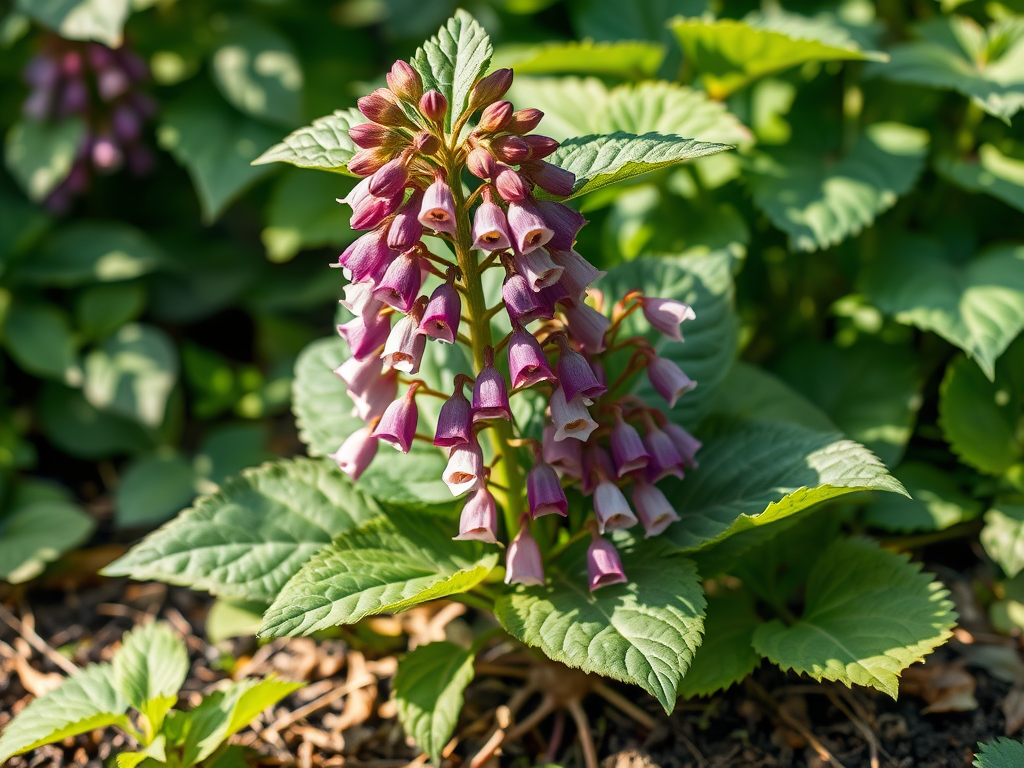
Comfrey (Symphytum officinale) is a perennial herb native to Europe and Asia. It was used for centuries in medieval medicine. Comfrey has broad, oval-shaped leaves with a coarse texture, and small, bell-shaped flowers that range from purple to white or pink. It grows up to 3 feet tall and has a deep taproot. Medicinal Uses…
-
For the purposes of this article, the sweet lady in question is Philippa of Hainault, the queen of Edward III of England. She was very interested in gardens and in acquiring new flowers. Perhaps she was influenced by her French mother, Joan of Valois, Countess of Hainault, who in around 1340 sent some cuttings of…
-
Reblogged fromA COLLECTION OF REVOLTING REMEDIES FROM THE MIDDLE AGES Revolting Remedies from the Middle Ages. Edited by Professor Daniel Wakelin. Published by the Bodleian Library Oxford. Under the Dreaming Spires of Oxford – well Oxford University to be precise – a group of students have compiled and transcribed this entertaining selection of remedies from…
 The New Murrey and Blue blog