Hastings
-
This is the second You Tube video that Richard III Society has posted, debunking some of the myths regarding Richard. They are quite short, between five and just over ten minutes long. Here is this one: Who was Richard III? Busting the Mythology: 2. Did He Murder Hastings?
-
SIR JAMES TYRELL – CHILD KILLER OR PROVIDER OF A SAFE HOUSE ?
“Missing Princes Project”, “Perkin”, “Princes”, Audrey Williamson, Austin Friars, Beaulieu Abbey, Coldridge, Countess of Warwick, Edmund de la Pole, Edward IV, Elizabeth Wydeville, executions, Gipping Chapel, Hastings, John Ashdown-Hill, Kathleen Margaret Drew, London Guildhall, Philippa Langley, Richard III, sanctuary, Sir James Tyrrell, Sir John Evans, Sir John Speke, Sir Thomas Tyrrell, St. Nicholas, stained glass, Suffolk, The Mystery of the Princes, Thomas Grey Marquess of Dorset, Thomas More, Tower of London, trial, Tyrrell “confession”, Tyrrell knot, Westminster AbbeyReblogged from A Medieval Potpourri sparkypus.com 15th century stained glass from great east window St Nicholas Chapel, Gipping. Did Elizabeth Wydeville gaze up at this very window if the family tradition is correct. Photo thanks to Gerry Morris @ Flikr While there is much information on Sir James Tyrell, c.1455-1502 available, unfortunately some of…
-
Matthew Lewis on YouTube: 2) Mancini
“I know nothing”, “Princes”, Armstrong, Arthur “Tudor”, Beaugency, bigamy, Charles VIII, Crowland Chronicle, Domenico Mancini, Dr. John Argentine, Duke of Orleans, Edward IV, evidence, executions, feuds, France, George Duke of Clarence, gossip, Hastings, Henry VII, illegitimacy, Italian merchants, Italy, Lady Eleanor Talbot, language, Lord High Admiral, Lord High Constable, Lord Protector of the Realm, Louis XI, minority kings, Parliament, plots, pre-contract, propaganda, Robert Stillington, sickness, Stony Stratford, translation, WydevillesHere is the second in my series of Top 10’s. This one is focussing on Dominic Mancini’s account of the events of 1483. It’s a hugely problematical source, both in terms of Mancini himself, who spoke no English, had no grasp of English politics and very limited sources, and in terms of the current translation…
-
Well, if you read this you will surely be led to believe she was a saintly woman. She wasn’t, and considering her history with Edward IV, Hastings, the Woodvilles, and heavens know who else, Richard showed her amazing leniency. But then, he didn’t punish troublesome women to the extent they deserved. And yet fingers are…
-
The Battle of Wakefield took place on 30th December, 1460. It ended when Richard, Duke of York, lost his life. As did his second son, Edmund, Earl of Rutland. The victors were the Lancastrians, in the name of their feeble-minded king, Henry VI. York’s claim to the throne finally came to fruition in the forms…
-
No, NOT this Stamford Bridge, but two hundred miles further north, somewhere by the River Derwent in the East Riding. So please try to avoid any more football references, except for the violent Norwegian game plan, the travel plans of the teams (sorry, armies) and the fixture congestion being contributory factors to the Anglo-Saxon defeat…
-
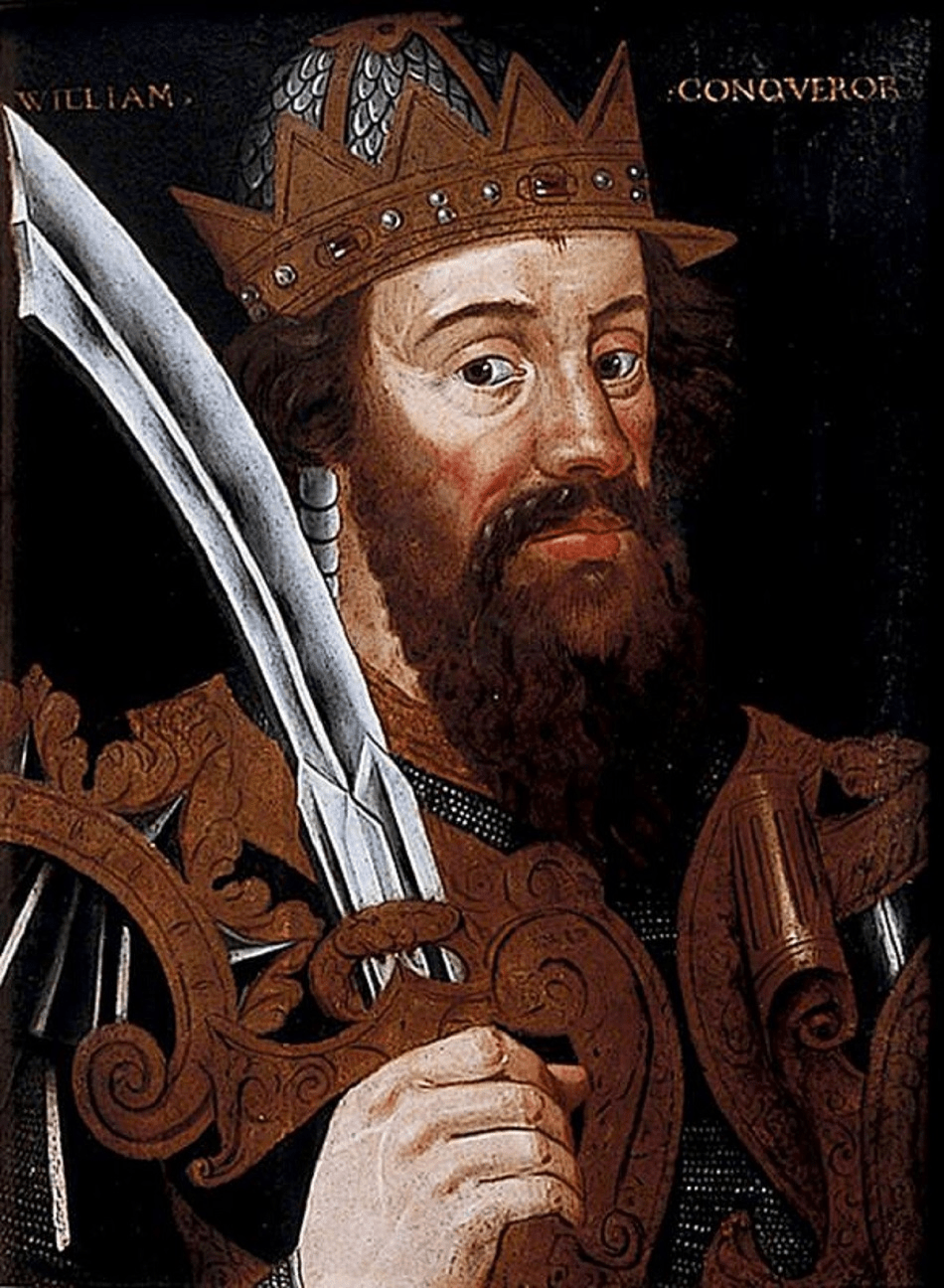
For some years I have set my novels in the last years of Plantagenet reign, or the first years of the Tudor dynasty. William the Conqueror Many authors of historical fiction prefer to set their books in the Georgian or Regency periods, but tor me the Plantagenet dynasty was one of the most interesting…
 The New Murrey and Blue blog