culture
-
To say that Henry VII isn’t our favourite person is a monumental understatement, but of course we Ricardians are stuck with him. We’re also stuck with his reign, which dragged on from Bosworth until his death on 21 April 1509. But his reign is important for all sorts of reasons, not least because the people…
-
High on a cliff on the Isle of Portland near Weymouth , Dorset (not really an island; it’s joined to the land by a long causeway) stands the battered block of an ancient castle looking out across the waves. It is privately owned, so not accessible for touring , but it is clearly visible from…
-
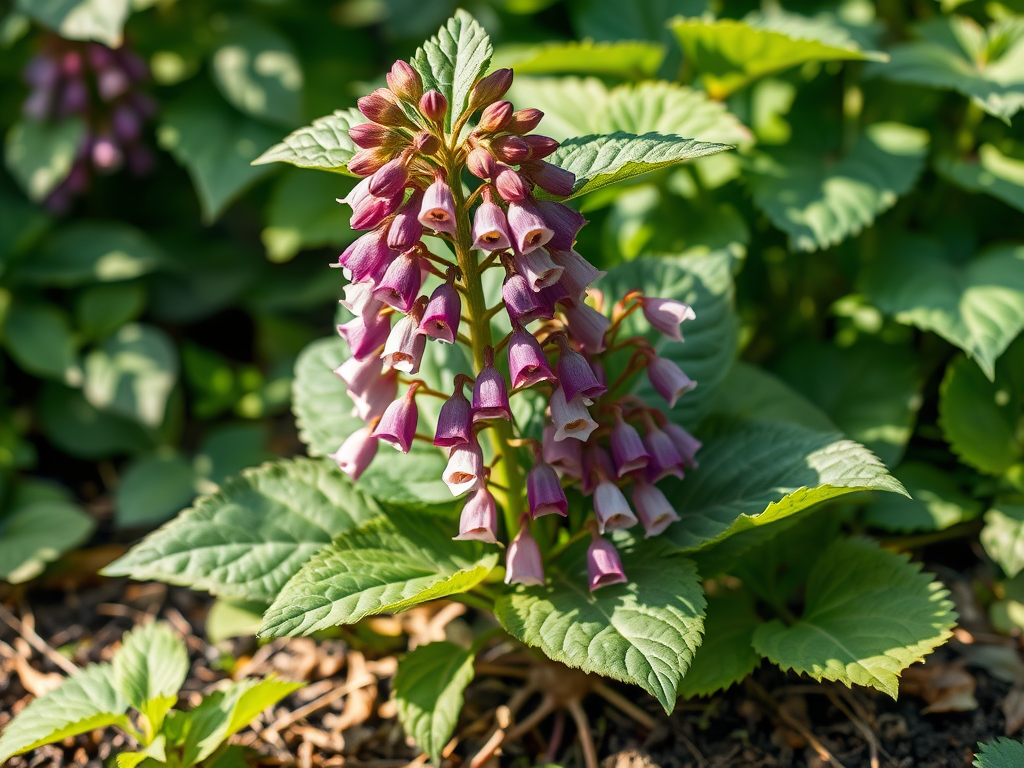
Comfrey (Symphytum officinale) is a perennial herb native to Europe and Asia. It was used for centuries in medieval medicine. Comfrey has broad, oval-shaped leaves with a coarse texture, and small, bell-shaped flowers that range from purple to white or pink. It grows up to 3 feet tall and has a deep taproot. Medicinal Uses…
-
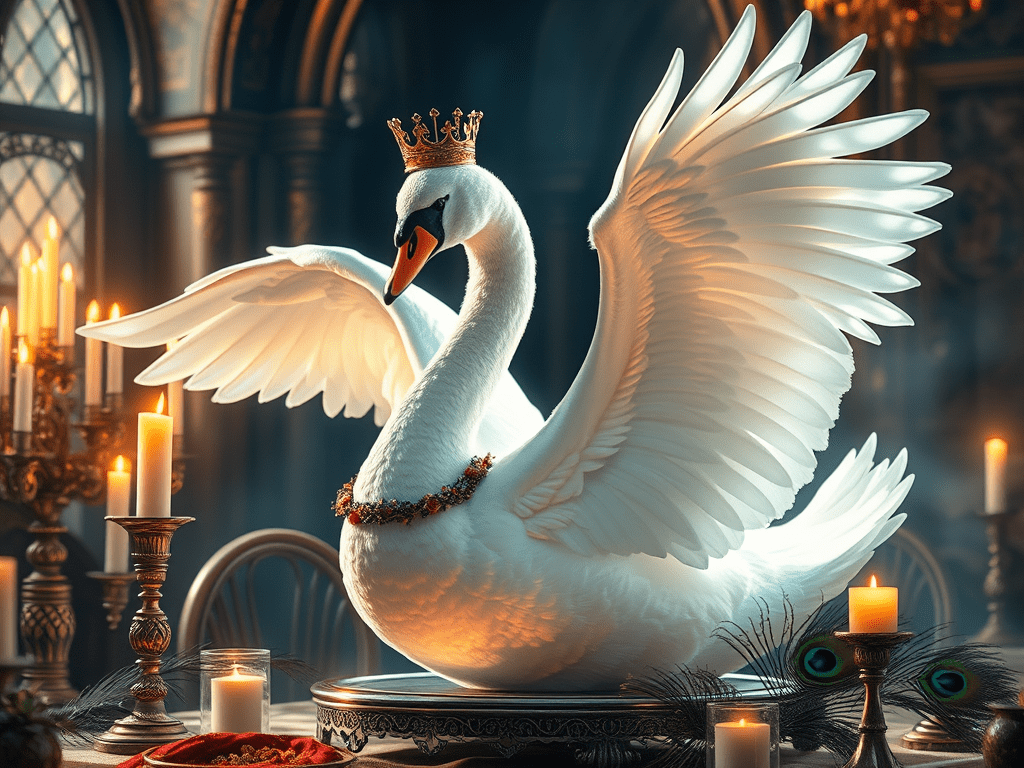
These are probably the first things we think of when we picture mediaeval feasts, although both of them were thought of as tough and difficut to digest. However most great banquets had either one or the other of these, served in full plumage, because they made such an impressive spectacle. They were often served at…
-
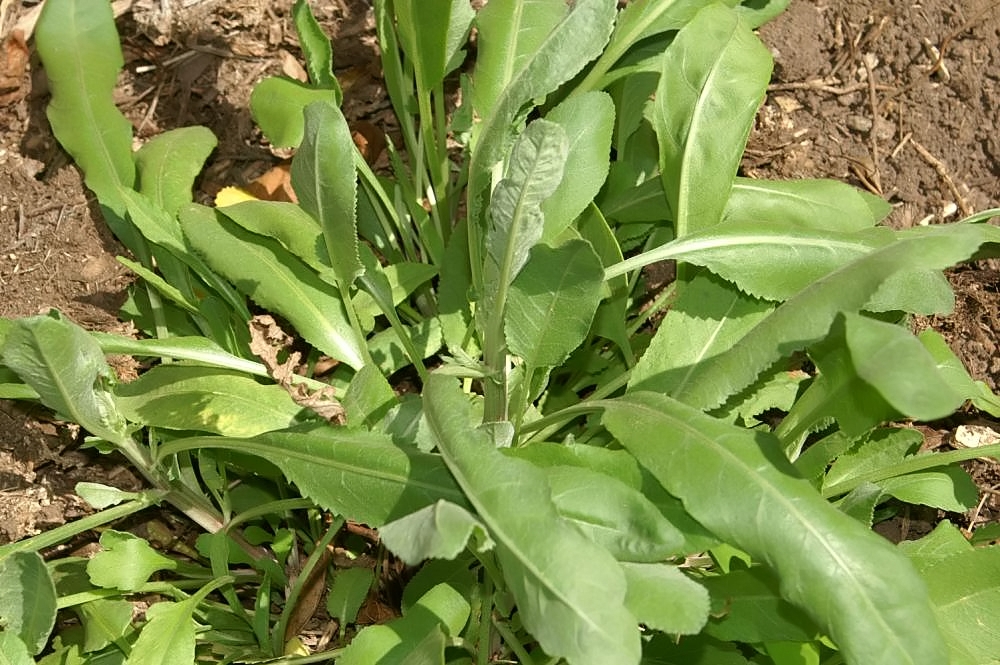
Costmary (Tanacetum balsamita) Costmary is an aromatic, perennial herb of the aster family. Costmary was a common ingredient in medieval tavern and kitchen gardens. It is also known as alecost, balsam herb, bible leaf, and mint geranium. The name ‘costmary’ comes from ‘costus of Saint Mary’ (‘costus’ is another plant). Also, in other languages, it is…
-
St Valentine’s Day has been celebrated on February 14th since the 6th century, but who was St. Valentine and why is his saint’s day associated with love? The Church actually recognizes three Valentines in its list of saints. Each St. Valentine had his feast day on February 14. So he could have been Valentine, a…
-
Some of you may have read a previous post of mine, describing a ‘Mediaeval Feast’ I cooked a few years ago, basing some of the dishes on those served at Richard III’s Coronation. I thought you might like to try out some of the recipes from it, and others, for yourselves. Here is the first:…
-
Click here for article The above link takes you to the whole story. It concerns King Harold II aka Harold Godwinson, my other favourite king, who had a lot in common with his descendant, Richard (see my previous post regarding this). They appear to have located the home of the king, often suspected of being…
-
The Handwriting of the Tudors I previously blogged four posts analysing the handwriting of Richard and his contemporaries. For those who missed them before, here are some links link Signs of the Times – The Handwriting of Richard III Signs of the Times 2 This deals with Edward, Edmund of Rutland, Elizabeth Woodville and Clarence…
-
The lute is an instrument that I always associate with the medieval period, and so its playing will often feature in novels, films and so on. And rightly so, because its gentle sound is both beautiful and soothing. Wanting to set a scene where ladies were listening to a lute, I looked online for examples…

