By Maria Leotta
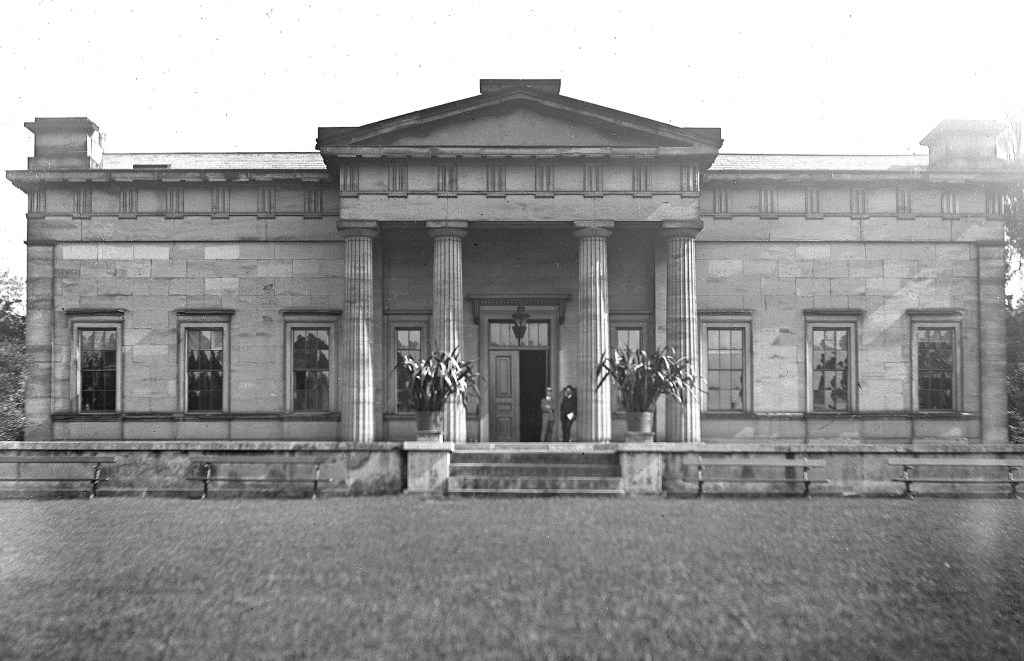
The Yorkshire Museum is a gem, located in the Museum’s gardens in the heart of the City of York. It is a must-see location for Ricardians, because one of its galleries displays the splendid Middleham Jewel and the silver boar, the emblem of King Richard III. This in itself is remarkable, but very few people know that the Tempest Hall inside the museum has an interesting link to Ricardians and to those people who founded the Fellowship of the White Boar in 1924. Ten years after Saxon Barton, a gynaecologist from Liverpool, had created the group whose aim was to reassess Richard’s reputation, something interesting happened in the hall.
On the weekend of the 21st and 22nd of July 1934, the Tempest Hall hosted a very special event and the hall became the foundational place for the Fellowship. Saxon Barton delivered a landmark public lecture inside the hall. This presentation represented one of the earliest formal attempts to challenge Tudor era propaganda, (the aim of which was to taint Richard’s reputation), and to promote the reassessment of the King’s historical character.
Among the attendees there was a young writer, Philip Lindsay. In 1933, after publishing one of the most intriguing biographies of the monarch, titled King Richard III: A Chronicle, Lindsay teamed up with Barton to present their research to the public. Lindsay’s presence in the venue helped to provide the literary and historical momentum for the newborn society. Lindsay’s focus points were three: the Westminster bones, the re-consideration of the Tudor myth, and the loyalty of Richard III to the City of York.
The first point concerned the deep involvement of Lindsay in the examination of the bones in the urn. He used historical evidence to argue that it was impossible to prove that the skeletal remains in Westminster belonged to the so-called Princes in the Tower. The examination could not prove the sex of the two individuals, nor the cause and date of their death, but the biased team who carried out the examination even named the skeletons ‘Richard’ and ‘Edward’.
As regards the second point, Lindsay dissected the works of Thomas More and Polydore Virgil and demonstrated that Richard’s laws, passed in his first and only parliament, proved he was a fair and enlightened monarch, ahead of his time.
The third point focused on the loyalty of Richard towards the City of York. Lindsay illustrated the link between Richard and the city, all the good he did for the citizens, and the explicit heartbreak of the city and council when the news of his death at Bosworth reached York.
The Hall, housing 293 seats, was packed, and many women came to the meeting, attracted by the strong and charming personality of Philip Lindsay. At the end of the lecture all the ladies became members of the Fellowship, so that the future Society was made mainly of female representatives, a trend maintained today. Lindsay strongly believed in women’s wit, intelligence and abilities. The ladies present in the hall were teachers, writers, researchers and one of them was the novelist, Marjorie Bowen. The day after the meeting, Sunday 22nd of July, Marjorie unveiled a beautiful stained glass window at Saint Mary and St Alkelda church in Middleham. The memorial window represented the king and his family. The window is still there today.
Bowen focused sharply on Titulus Regius and the destruction of the majority of the documents concerning the reign of King Richard III. Philip Lindsay gave a voice to the women of the Fellowship of the White Boar. Marjorie Bowen was not the only woman to occupy a pivotal role in the Fellowship. The list of female names involved actively in the Fellowship and the future Richard III Society is incredibly long and includes other women who were not members but were animated by the same spirit: Isoleucine Wigram, Marjorie Bowen, Josephine Tey, Rosemary Hawley Jarman, Anne Sutton, Livia Visser-Fuchs, Victoria Lamb, Audrey Strange, Sharon Kay Penman, Annette Carson, Wendy Johnson, Margaret York (founder of the Leicestershire branch), Sandra Pendlington, Carolyn Hammond, and Dorothy Mitchell, just to name a very few.
Richard was lost and, after more than five centuries, he was eventually found by guess who? Another woman, Philippa Langley MBE, who successfully led the search to locate the grave of the king in a Leicester car park. Eventually, Amanda Geary became the first female Chair of the Richard III Society and Philippa Langley the Vice Chair
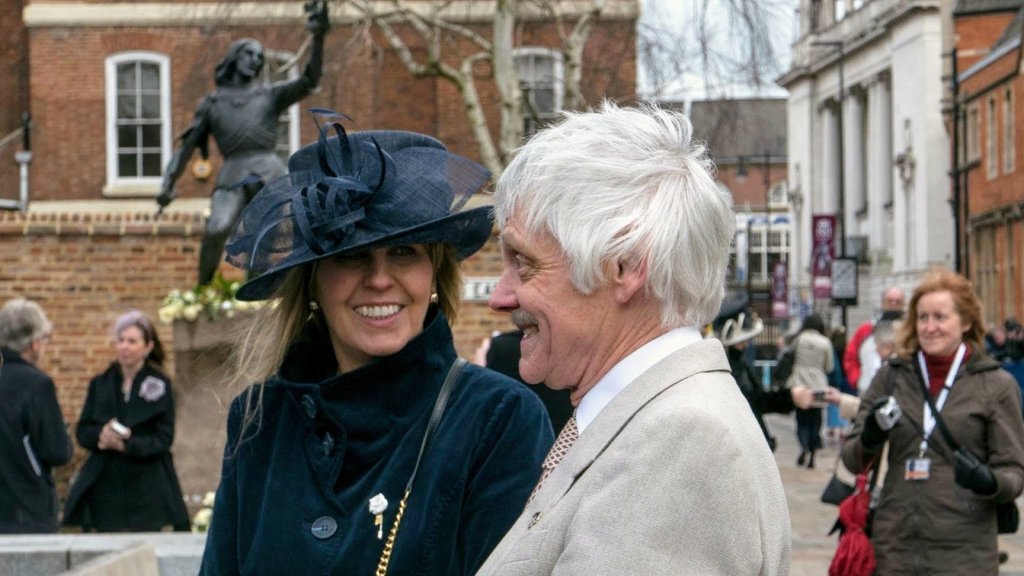
Undoubtedly, women have played an invaluable role in the reassessment of the last Plantagenet king.
I don’t want to downplay the role of men (we remember John Ashdown Hill, Matthew Lewis, Jeremy Potter, David Johnson, Peter Hammond and many others) but it is evident that Richard III has an affinity for women and the feeling is reciprocated. Denying such an evident truth would result in the ultimate slander about Richard III and his supporters.
PS In this article are not mentioned all those people both women and men who worked for the King’s reassessment before 1934. To them goes our gratitude and appreciation.


Leave a Reply