LAUS TIBI CHRISTE – PRAISE TO YOU CHRIST
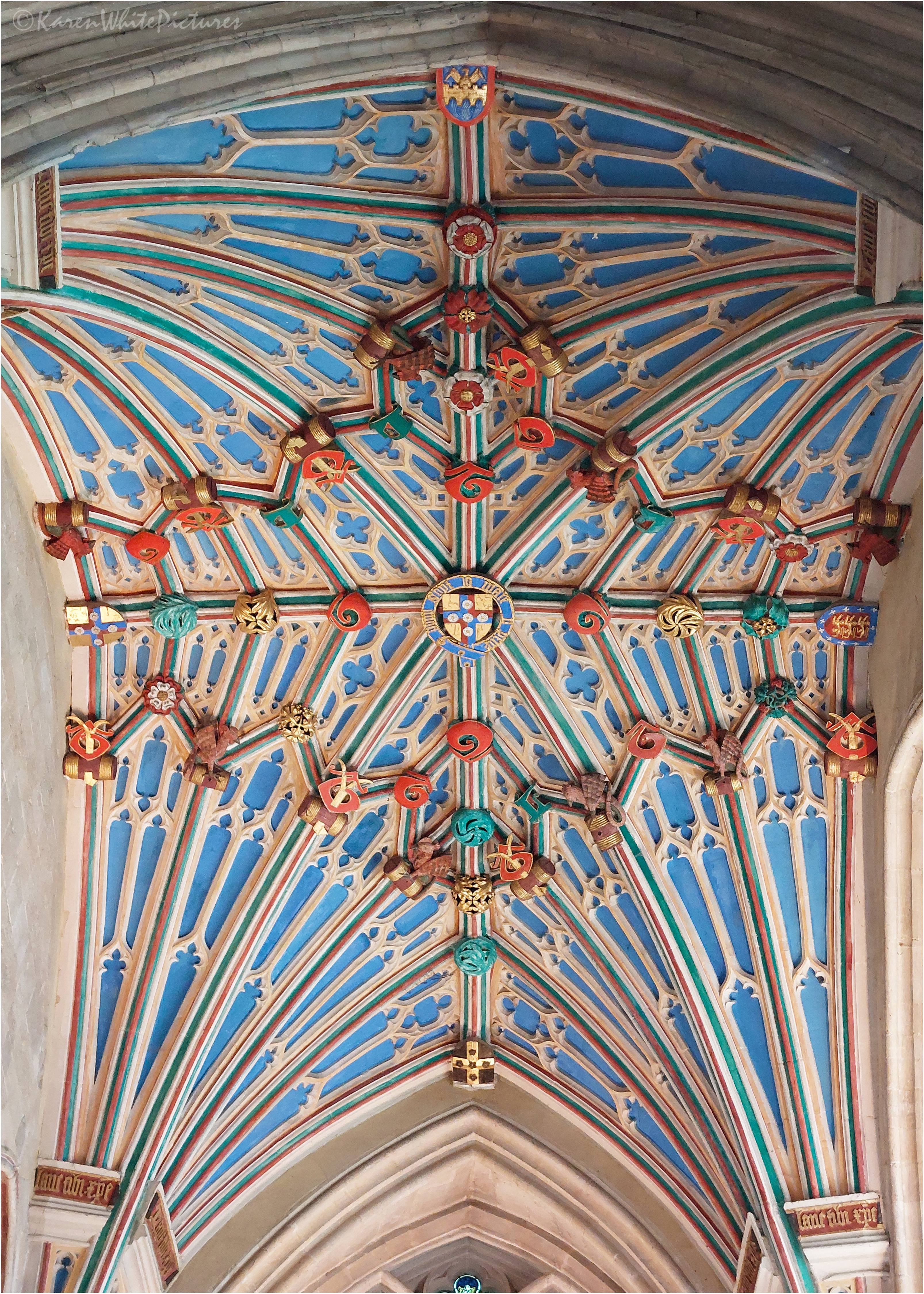
The glorious vaulted ceiling of the Langton Chapel, Winchester Cathedral. With many thanks to Karen White Pictures for this beautiful photo.
REBLOGGED FROM A MEDIEVAL POTPOURRI @sparkypus.com
Before touching upon the main subject of this post, Thomas Langton, we are going to take a little detour so bear with me. It is often said that the victor writes the history and never did this ring truer than in the case of King Richard III who has been badly maligned since his death at Bosworth in 1485, and still is to a degree, although the tide is now turning with new research and more enlightened authors and historians such as Philippa Langley, Annette Carson, Matt Lewis and the late Jeremy Potter and John Ashdown-Hill to name a few. Writers from the Tudor period including Vergil – renowned for his unreliability – and Thomas More writing several decades later – threw such massive clods of mud at the dead king that invariably some stuck. Practically anything that could portray Richard in a positive light was destroyed including the Titulus Regius although miraculously one copy managed to survive the Human Shredders. I won’t go into Titulus Regius now but it can be found here if anyone wishes to take a perusal. And that is not all. It was Philippa Langley via her book, The Princes in The Tower, who first alerted me to Richard’s Baga de Secretis’ and it being – somewhat conveniently – empty. Quelle surprise! These leather bags were stored in a ‘secret storage closet’ at Westminster and held highly sensitive information such as records of treason trials, indictments and convictions. In her Revealing Richard III blog Philippa has pointed out ‘Richard’s Baga de Secretis is empty yet we know there were treason trials during his reign (the records of which, if like other reigns, would have been kept there)’. What Richard’s Baga de Secretis contained we can now only speculate at this remove. However it is not beyond the bounds of possibility it once contained documents that could have helped in clearing some of the fog of misinformation that has enveloped Richard over the centuries or why else destroy them? Perhaps the bag had once contained, for example, documents pertaining to the execution of William, Lord Hastings (c.1430-1483).
Despite Hastings not having a state trial could it be that the grounds for his execution – which are still unclear today – were recorded and stored in Richard’s Baga de Secretis? And the reason for their disappearance being that the Hastings execution has always been a fine piece of mud to throw at Richard. To throw any light on the execution and thus exonerate Richard from the unjust accusation of having Hastings got out of the way solely because he stood in Richard’s way of taking the throne would not have been viewed as a good idea by the Tudor regime. Of course this is pure speculation on my part but as Sir Thomas More once said ‘you might as well shoot too far as to shoot too short’. Well if he didn’t actually say it he should have.
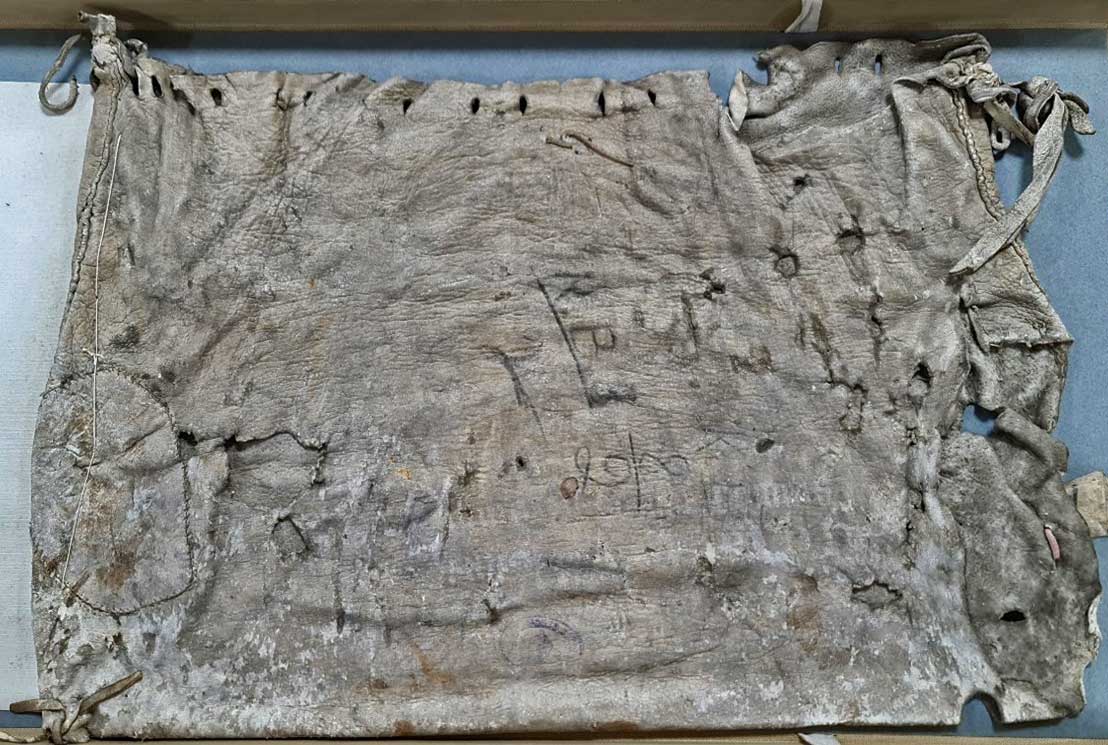
This is not Richard’s Baga de Secretis but the one in which the trial records of Edward, earl of Warwick, were stored. Faint outlines of the text which described the bag’s contents can still be seen. Photo from Nationalarchives.gov.uk Catalogue ref: KB 8/2
TO CONTINUE READING CLICK HERE
 The New Murrey and Blue blog
Leave a comment