reblogged from a Medieval Potpourri @sparkypus.com
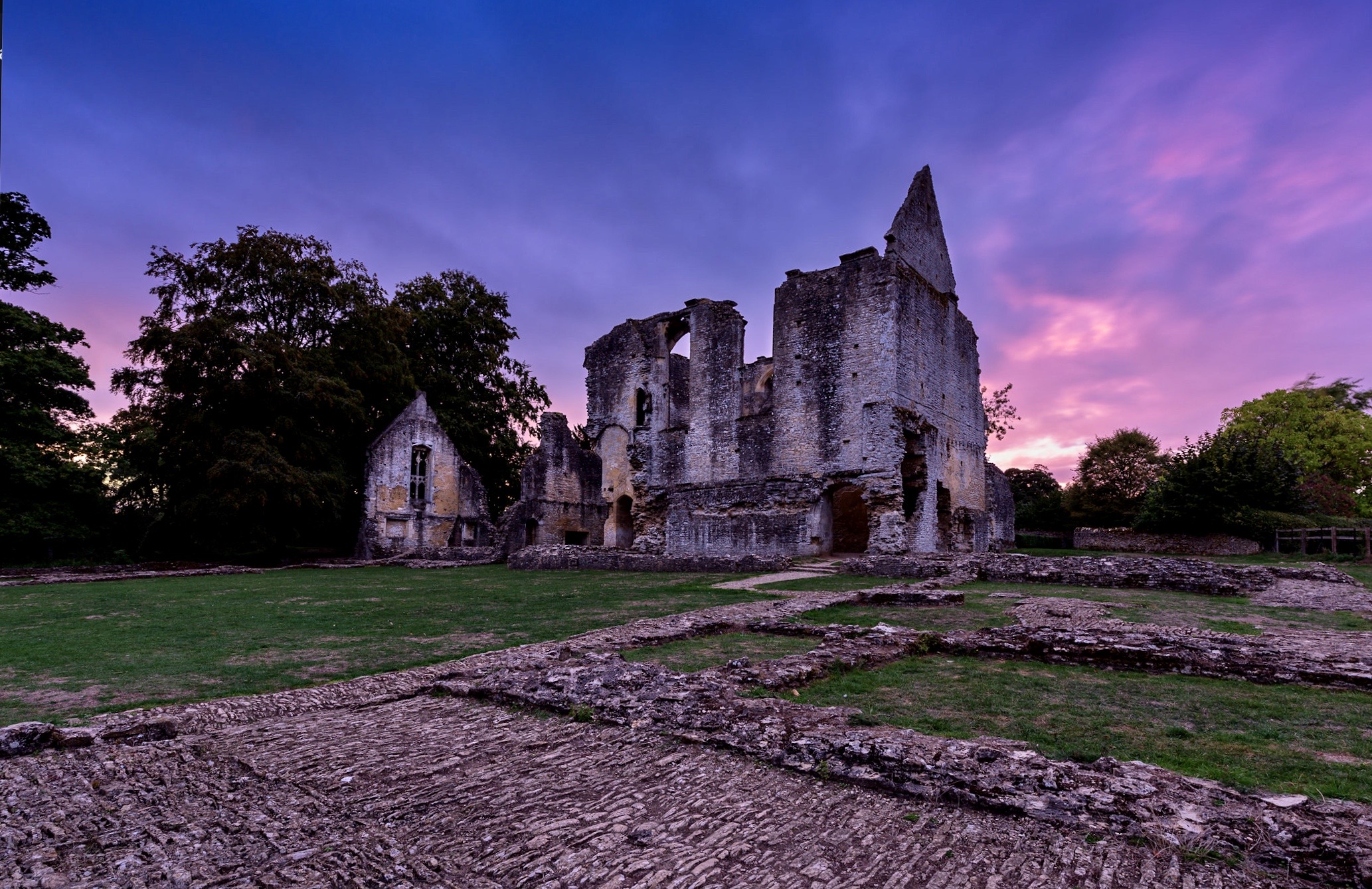
Evocative Minster Lovell at sunset. Photo with thanks to Colin Whitaker
Part One of this two part post covered the early life of Francis Viscount Lovell. We left Francis at the Coronation of his childhood friend – now his king – Richard III on the 6 July 1483. Due to time and lack of space I must skip forward apace through the next eighteen months arriving at the death of Richard at Bosworth in August 1485. It is unclear whether Francis fought at Bosworth – some accounts say he had been sent to defend the south coast should Henry Tudor attempt his invasion from that part of England and it is uncertain if he made it back in time for Bosworth. We do know that in the aftermath of the battle, the now attainted Lovell, spent some time in sanctuary at St John’s Abbey, Colchester.
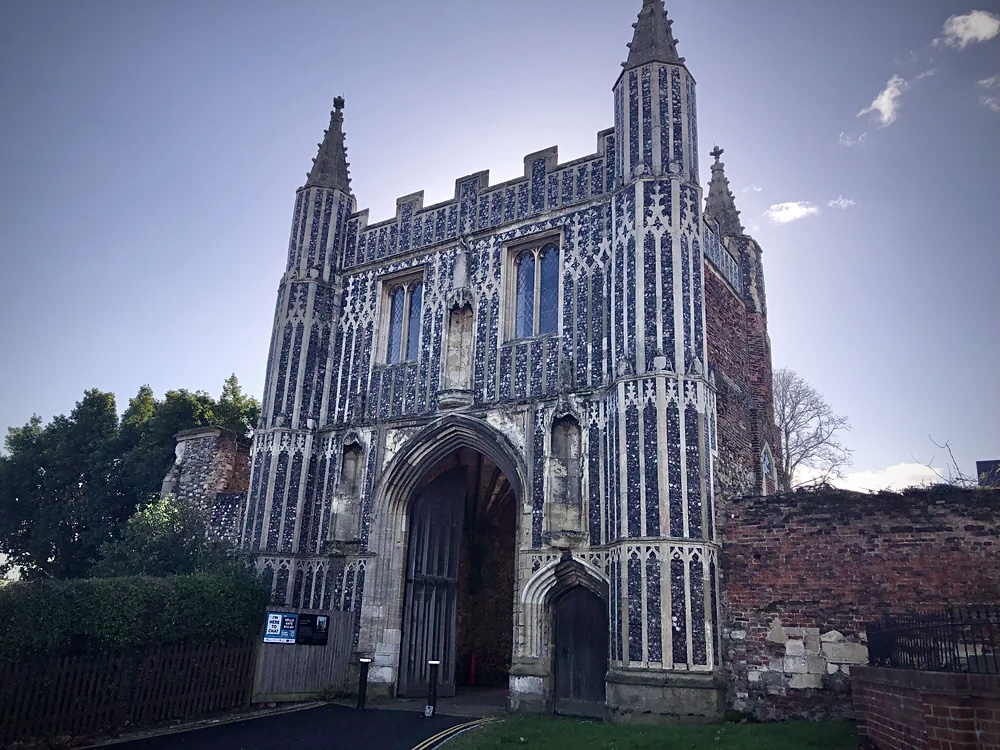
All that remains today of St John’s Abbey, Colchester is this elaborate gatehouse. It must have been a most welcome sight for Francis in the aftermath of Bosworth in 1485. Founded in 1095 it was dissolved in 1539. Photo thanks to historica.fandom.com
Slipping away around April 1486 he made his way northward aligning with Humphrey Stafford of Grafton in hatching a plot against Henry VII. Stafford opted to raise rebellion in his home county of Worcestershire while Lovell chose the area around Middleham with its Ricardian links. Although this rebellion was almost successful with Henry Tudor just managing to evade capture at York, it ultimately failed perhaps when the offer of pardons to those who surrendered proved too tempting for some. Stafford attempted once again to make his way to sanctuary but was captured and executed at Tyburn on the 8 July 1486. Francis made his way to Furness Fells in the wilds of Lancashire, but now part of Cumbria, where he joined Sir Thomas Broughton and other Yorkists diehards. Furness Fells will feature once more in Francis’ story before it reaches conclusion. Vergil writing in the reign of Henry VII, would later dismiss him as an irresolute fellow who left his followers to throw themselves on the royal mercy but, quidquid, we all grasp how the victor gets to write the history. In fact Vergil was totally barking up the wrong tree with his dismissal of Francis. Stephen David, Francis’ biographer, describes him as ‘a man with the ability, despite being hunted high and low, to move around while evading capture – which speaks volumes for the efficiency of his security procedures – with the wherewithal to plan ahead and to retain the loyalty of his followers’. Michael Bennett wrote ‘his chivalrous bearing and life-long attachment to Richard III commend him to all who value loyalty and friendship.’ (1)
To continue reading go to https://sparkypus.com/2026/03/10/a-summary-of-the-life-of-francis-viscount-lovell-and-his-mysterious-disappearance-part-two/


Leave a Reply