Anthony the Great (c. 12 January 251 – 17 January 356) was a Christian monk from Egypt, revered since his death as a saint. He is also known as the Father of All Monks.
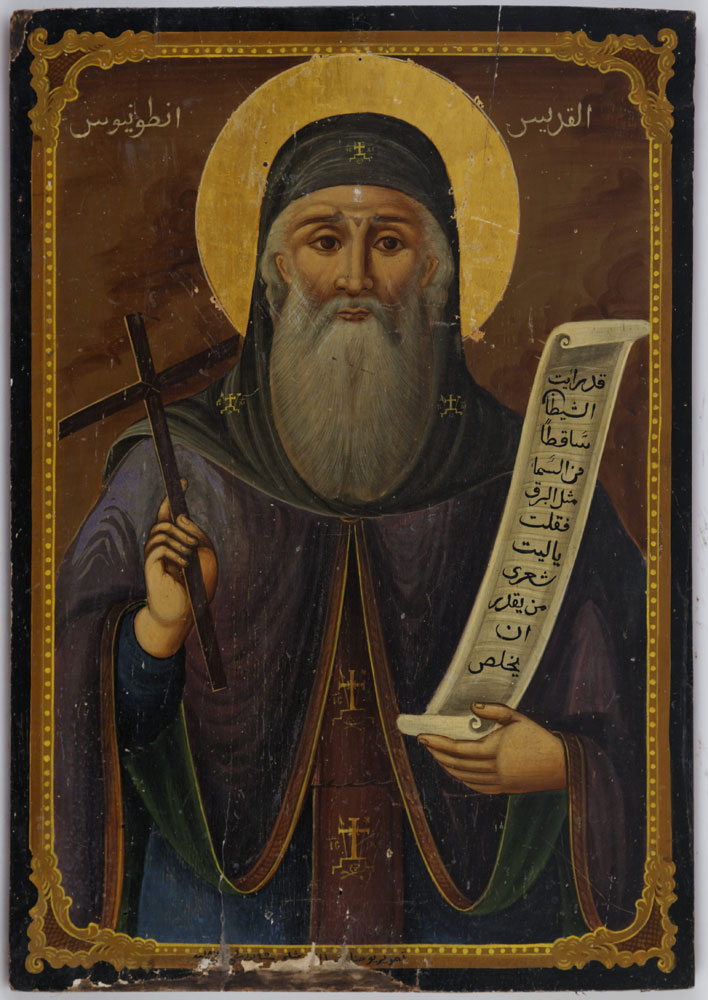
The biography of Anthony’s life by Athanasius of Alexandria helped to spread the concept of Christian monasticism. He is often erroneously considered the first Christian monk, but there were many ascetics before him. Anthony was, however, among the first known to go into the wilderness (about AD 270). Anthony maintained a very strict ascetic diet. He ate only once a day, a diet of bread, salt and water and no meat or wine, and sometimes fasted for up to four days. According to Athanasius, the devil fought Anthony in the desert by afflicting him with boredom, laziness, and the phantoms of women, which he overcame by the power of prayer and this inspired the depiction of his temptations in art and literature.
After that, he moved to one of the tombs near his birth village. There, the Life records strange conflicts with demons in the form of wild animals, who inflicted blows upon him, and sometimes left him nearly dead.
Anthony is invoked against infectious diseases, particularly skin diseases, leading to many such afflictions, including ergotism, erysipelas, and shingles, being referred to as Saint Anthony’s fire.
Legends & Symbolism
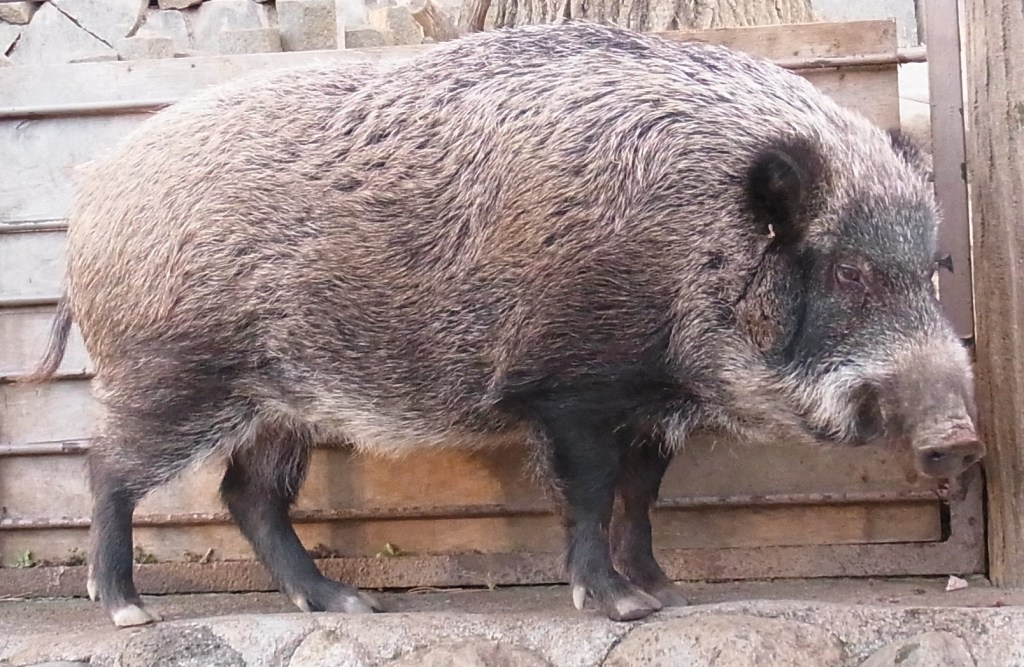
- Temptation: One legend says Satan appeared as a pig, but St. Anthony’s holiness drove him away, leaving the pig docile.
- Spiritual Purity: The pig can represent both the temptations he resisted, or conversely, his purity, because he tamed it.
- Healing: St. Anthony is the patron saint against skin diseases like ‘Saint Anthony’s Fire’ (ergotism). Pork fat was used in treatments, linking him to swine.
The Hospitaller Order
- Patronage: The Knights Hospitaller of St. John adopted St. Anthony as their patron.
- “Tantony Pigs”: The monks raised pigs to support their hospitals. They would release the smallest piglet (the “Tantony pig”) into the streets with a bell to fend for itself. The community would feed it and eventually return it for sale, funding the hospital.
Cultural Significance
Feast Day: His feast day, January 17, is still celebrated with bonfires and pork-related feasts in some areas.
Iconography: This led to St. Anthony often being shown with a pig at his feet or side, symbolizing his connection to the poor, animals, and healing.
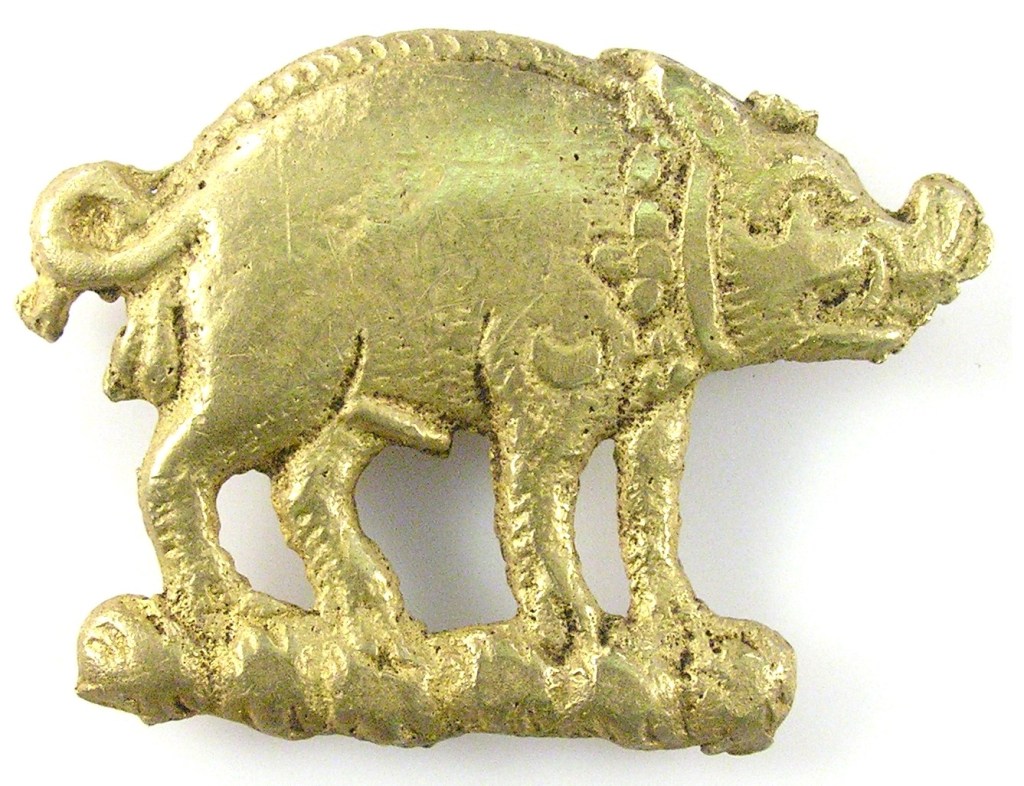
Richard III may have favoured this saint because of the pig association, as his emblem was a white boar.
 The New Murrey and Blue blog
Leave a comment