Mediaeval people cherished chervil (Anthriscus cerefolium) for spring cleansing, digestion, and boosting the mood, symbolising new life with its flavour, similar to anise. It was used in soups, particularly Lenten ones, teas, and as a digestive aid, sometimes as a magical form of protection . It was called ‘myrrhis’ because it smelled similar to myrrh, and was considered a gourmet parsley for its delicate taste.
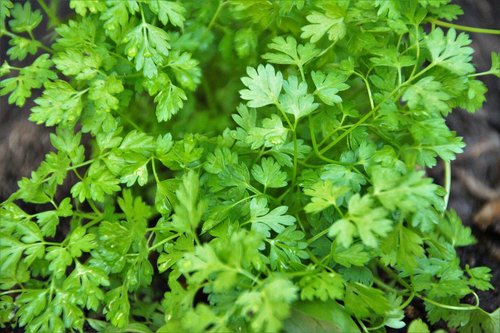
Culinary Uses
- Fresh Salads: It was considered the “finest salade herbe,” used fresh.
- Pottages: Indispensable for spring pottages, especially for Maundy Thursday, because of its scent, similar to myrrh. It is now known to be high in Vitamin A and have twice as much iron as spinach.
- Fines Herbes: A core ingredient with parsley, tarragon, and chives for seasoning.
- Meats, Fish, Egg Dishes and Vegetables: Used to season these foods, often paired with other herbs.
- Flavour: Added subtle anise/licorice notes, best added at the end of cooking.
Medicinal & Symbolic Uses
- Spring Tonic: Eaten to clear winter ills, boost mood, and act as a blood cleanser.
- Colds: It was used to ease the symptoms of colds.
- Inflammation: Thought to reduce infammation.
- Halitosis: Its flavour was ideal to freshen breath.
- Digestive Aid: Used in teas for colic, gas, and other digestive upsets.
- Eye Wash: Used to refresh tired eyes.
- Hiccups: Eating a whole plant reportedly relieved hiccups.
- Infusions and Salves: These were made from the leaves and seeds.
- Spiritual: Symbolised new life; its scent reminded people of myrrh.
- Protection: Believed to offer protection from evil spirits and bring good luck.
Key Characteristics
- Flavour: Delicate, mildly anise-like.
- Appearance: Lacy, green leaves similar to parsley.
- Caution:Its smooth leaves can be confused with poisonous hemlock!
 The New Murrey and Blue blog
Leave a comment