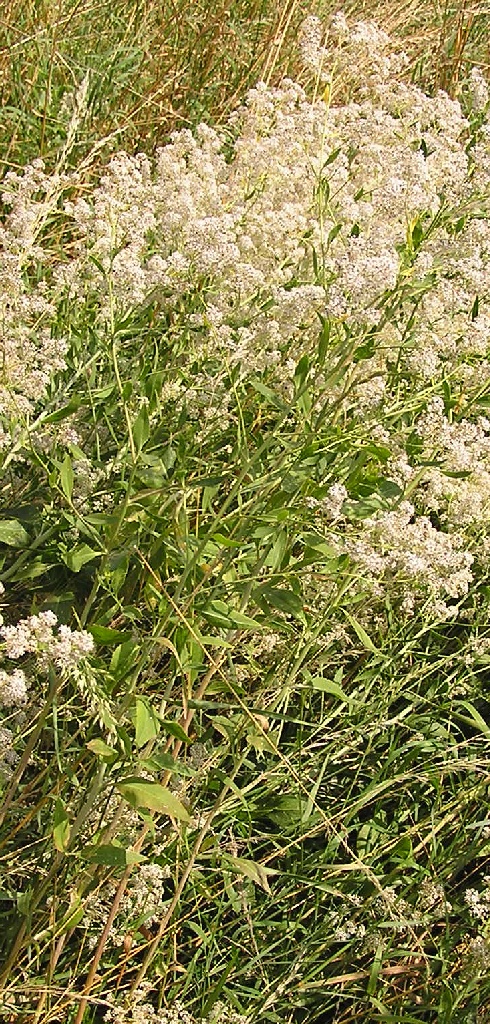
In medieval times, dittany, now more commonly known as dittander, Lepidium latifolium, a perennial herb native to parts of Britain, was used for hot relishes. It suffered a culinary decline by 1650 when horseradish took its place. The spiciness of both its leaves and root are suggested in its common name, poor man’s pepper.
It is often confused with Cretan Dittany, Origanum dictamnus, which was often imported into Europe in dried form and which was a highly prized herb used in medicine for its wound-healing, anti-septic and anti-poison properties. It was also used in remedies for the plague, childbirth, and various digestive ailments.
Medicinal Uses
- Wound Healing: The most famous use, derived from ancient Greek mythology, was the belief that wounded wild goats on Mount Ida would eat dittany to expel arrows from their bodies and heal instantly. This led to its widespread use in mediaeval medicine for treating arrow wounds, iron injuries, and general wounds, often in the form of salves, poultices, or a drink made from its juice mixed with wine.
- Antidote to Poisons and Plague: Dittany was also an important ingredient in mediaeval cures for poison, venom, and the plague. After the Black Death, the herb was re-purposed as a specific remedy for plague, due to the symbolic connection between arrow wounds (divine punishment) and plague sores.
- Gynecological Aid: Mediaeval physicians and midwives used dittany to hasten and ease childbirth, induce menstruation, or expel a dead foetus or afterbirth. Its use was often restricted or prohibited during normal pregnancy.
- Digestive and Other Ailments: It was prescribed for stomach aches, digestive problems, intestinal troubles, and to aid the expusion of wind. Other uses included remedies for coughs, respiratory ailments, headaches, spleen problems, and as a general body-strengthening tonic.
- Antiseptic: Because of its natural antiseptic and anti-inflammatory properties, it was commonly used in salves for skin irritations and infections.
Culinary Uses
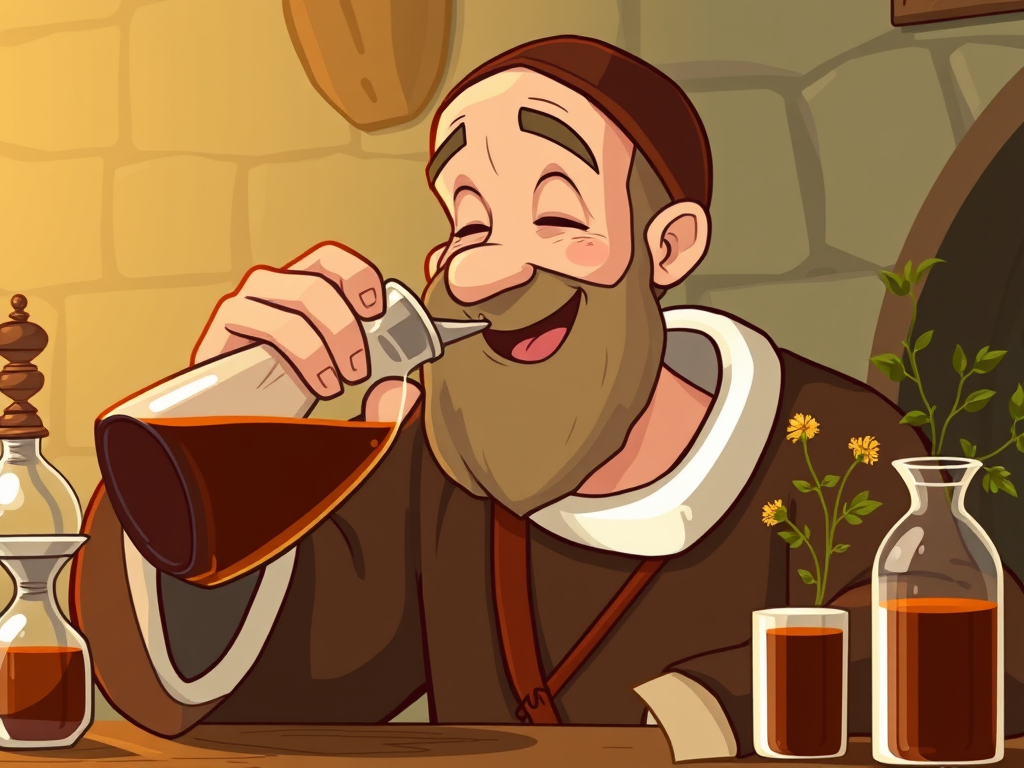
- Flavouring: Dittany’s aromatic quality was used to flavor various beverages. French Benedictine and Trappist monks used it in the Middle Ages to make their famous liqueurs, and it was also used in some wines.
- Food: In English mediaeval cuisine, dittander (Lepidium latifolium appears in The Forme of Cury (1390), the earliest known written recipe book, in the dish ‘Erbolate’ a kind of herb frittata or omelette. It was also used in salads.
Lore and Symbolism
- Dittany in mythology was associated with the Greek goddesses Artemis and Venus.
- It was considered a symbol of love, as it grew in steep and inaccessible places, and young men would risk their lives to collect it as a token for their sweethearts (earning it the Greek local name erontas, meaning “love”).
 The New Murrey and Blue blog
Leave a comment