A story by Rod Minchin of the Independent says:
Rare medieval music, discovered within a 15th-century book, will resonate through Buckland Abbey in Devon this August, bringing the sound of monks back for the first time in 500 years.
The “plaintive” melodies will be performed to mark the book’s return to the abbey, a place it has not been since 1539.
Much of this type was lost or destroyed during the Reformation, which saw every priory and abbey in England closed by Henry VIII.
The music will be performed by scholars of the University of Exeter chapel choir
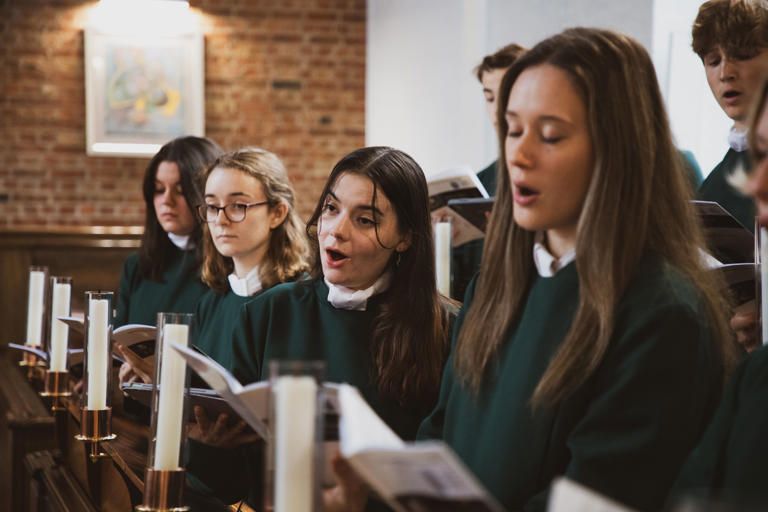
The music will be part of the soundtrack to a new exhibition and will be performed live in August by the university’s chapel choir.
Known as a “customary”, the richly decorated Buckland Book contained the instructions the monks needed to carry out their daily religious rituals and services.
It also contained a rare collection of medieval music copied and added to the book in the early Tudor period.
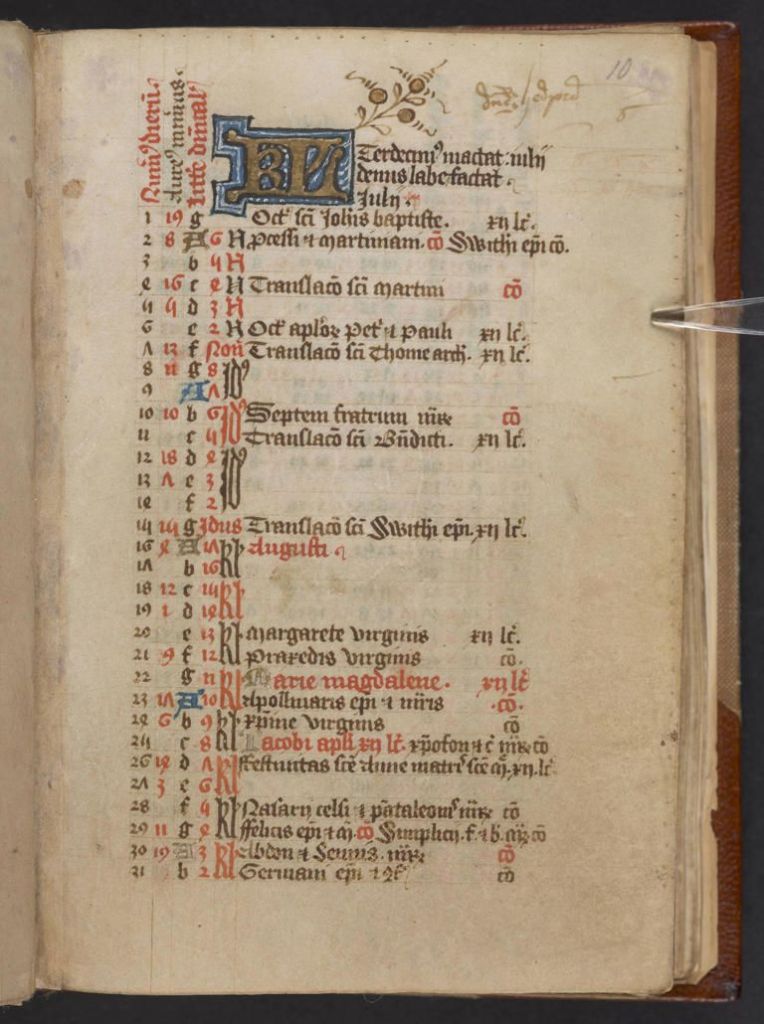
The music is in a style called “plainchant”, with single lines of music for monks or priests to sing all together.
Rather than following the rigid liturgical structure of the time, with particular pieces sung at different times of the day, the monks curated a unique sequence of chants drawn from various sources.
National Trust music historian Daisy Gibbs said: “Whoever compiled this collection seems to have been unusually creative, pulling together words and music from many different sources.
“The pieces found in the book ask for God’s mercy, forgiveness and protection from harm.
“They share a real feeling of anxiety and fear. It looks as though they were once sung as a complete sequence, perhaps to help the monks through a crisis of some kind.
“We still have work to do to find out exactly how unusual this collection is.”
One suggestion is that the music was intended as a response to the sweating sickness, which broke out repeatedly in Tudor England. It often killed its victims within 24 hours and seemed to target young and middle-aged men.
Research is continuing to discover what happened to the Buckland Book between the closure of the abbey and when it was acquired by the Harley family in the 1720s.
It was later sold to the British Museum in 1753.
To read the whole story from the Independent, including quotes from Professor James Clark, who discovered the music, click here
 The New Murrey and Blue blog
Leave a comment