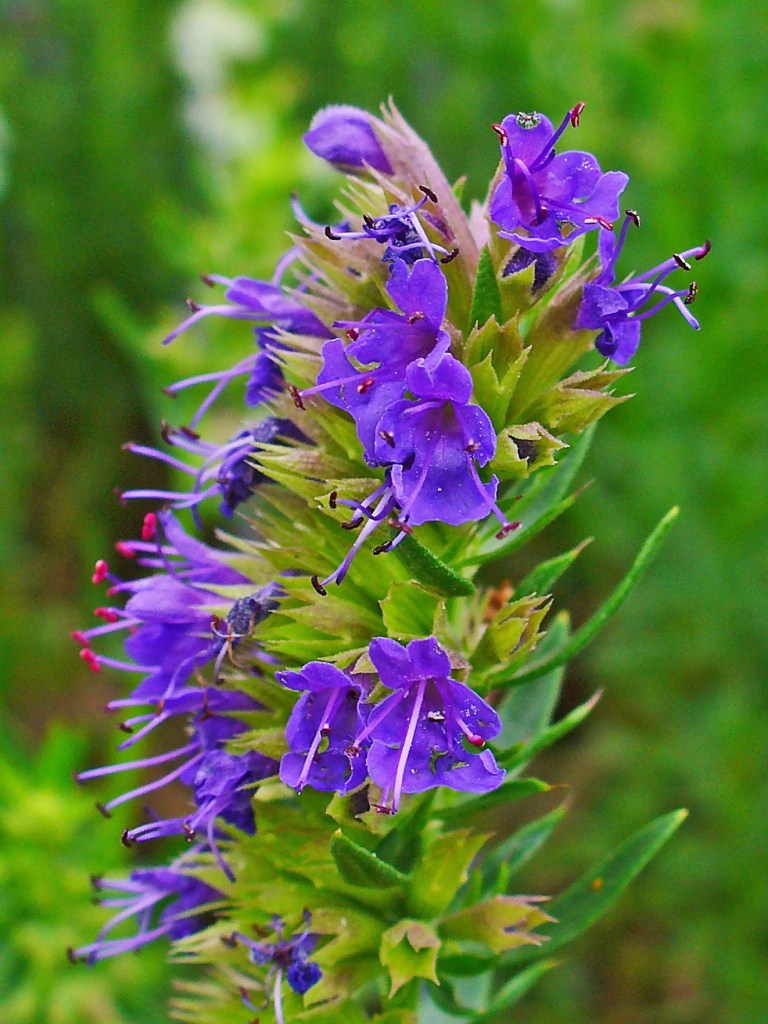
Hyssop (Hyssopus officinalis) was commonly used in medieval times, but has fallen out of popularity now. Here are some fascinating facts about hyssop:
Medicinal Uses
Respiratory issues: Hyssop was used to treat coughs, colds, and respiratory problems, such as bronchitis and asthma.
Digestive aid: The herb was used to soothe digestive issues, like indigestion and bloating.
Wound healing: Hyssop’s antiseptic properties made it useful for treating wounds, cuts, and skin conditions.

Culinary Uses
Tea and infusions: Hyssop leaves and flowers were used to make a tea that was said to have medicinal properties.
Cooking: The herb was used to flavor soups, stews, and meat dishes.
Ritual and Symbolism
Purification: Hyssop was associated with purification and cleansing in medieval times. It was used in rituals to cleanse and protect people, places, and objects.
Biblical significance: Hyssop is mentioned in the Bible as a symbol of purification and cleansing. # Other Interesting Facts 1. Name origin: The name “hyssop” comes from the Greek word “hyssopos,” which means “holy herb.”
Cultivation: Hyssop is a low-growing, shrub-like herb that is easy to cultivate and can thrive in poor soil.
Overall, hyssop was a highly valued herb in medieval times, and its uses ranged from medicinal and culinary to ritualistic.
 The New Murrey and Blue blog
Leave a comment