Debunking the Myths – Was Richard A Hunchback?

The Richard III Society has posted a series of You Tube videos, debunking some of the myths regarding Richard. They are quite short, between five and just over ten minutes long.

Here is the first one:

Who Was Richard III? – Busting the Mythology: 1. Was Richard a hunchback?


Subscribe to my newsletter

4 responses to “Debunking the Myths – Was Richard A Hunchback?”

  1. freelywombat80b71f1868 Avatar
    freelywombat80b71f1868

    He was not a hunchback. Sick of this Shakespeare’s propaganda.

    Like

    1. Yes, but many still believe that. They’re just trying to clarify the situation.

      Like

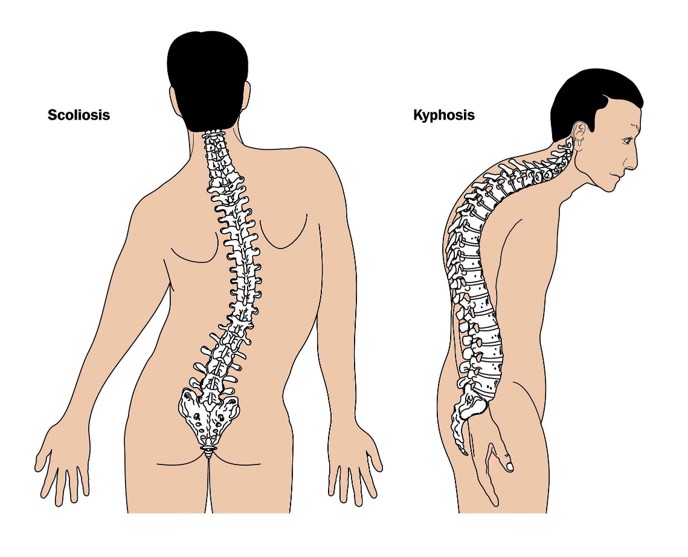
  2. Just wondering how valuable this Scoliosiis/Kyphosis debate is? It seems to me that we are in danger of saying “Scoliosis Good Person. Kyphosis Bad” Person” That “Oh it’s not Kyphosis therefore everything that was said about Richard is wrong.” A slight “hump” or “hunchback “is the language in which Richard’s condition would have been described in his own time. It’s the propaganda since then that has exaggerated it. Philippa spoke to our Group about a year after the discovery and said herself that Richard’s scoliosis had been unnoticeable in everyday life but that when his naked body was flung over theback of a horse, face down, the curve of the spine would only then have shown up. That it would have been seen for the first time as misshapen and THAT was the day that the hunchback story began and soon became exaggerated in Tudor’s need for propaganda. But in emphasising “Oh it wasn’t Kyphosis” aren’t we in danger of castigating current victims of this distressing condition in the same way as our forebears did?

    Anne Ayres

    Like

    1. I see your point but I think we have to reply to the people who say ‘Well, Shakespeare was right about the hunchback so he might have been right about his character.’ Of course having a kyphosis wouldn’t make someone evil, they’re not saying that, just that Shakespeare was wrong about that.

      Liked by 1 person

Leave a reply to Anne Ayres Cancel reply