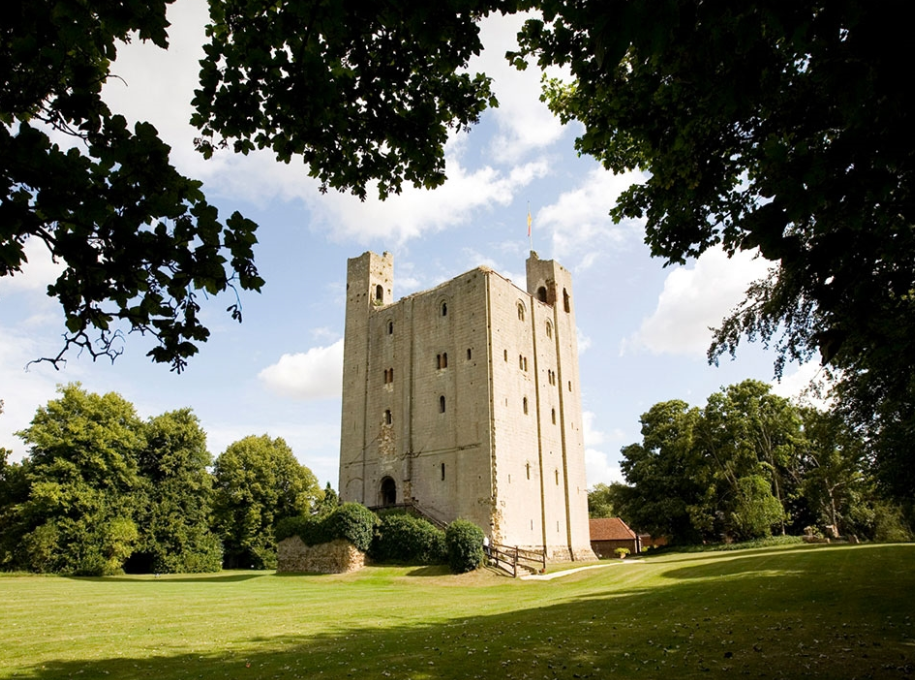
I recently watched an episode of Antiques Road Trip in which a sequence was set in Hedingham Castle in Essex. It was Series 11, Episode 23, in which art experts Mark Stacy and Thomas Plant travelled through Essex and Suffolk on their way to an auction in Cambridgeshire. I fear I have not been able to trace this episode online.
One of the two experts, I cannot remember which, was shown around the castle by a guide who stated that John de Vere, 13th Earl of Oxford (who was born today, 8 September 1442), had been pivotal at Bosworth and had been rewarded handsomely by the grateful Henry VII. Gifts were lavished upon the earl who flourished mightily as a result. One of these gifts was the return of Hedingham to the de Veres.
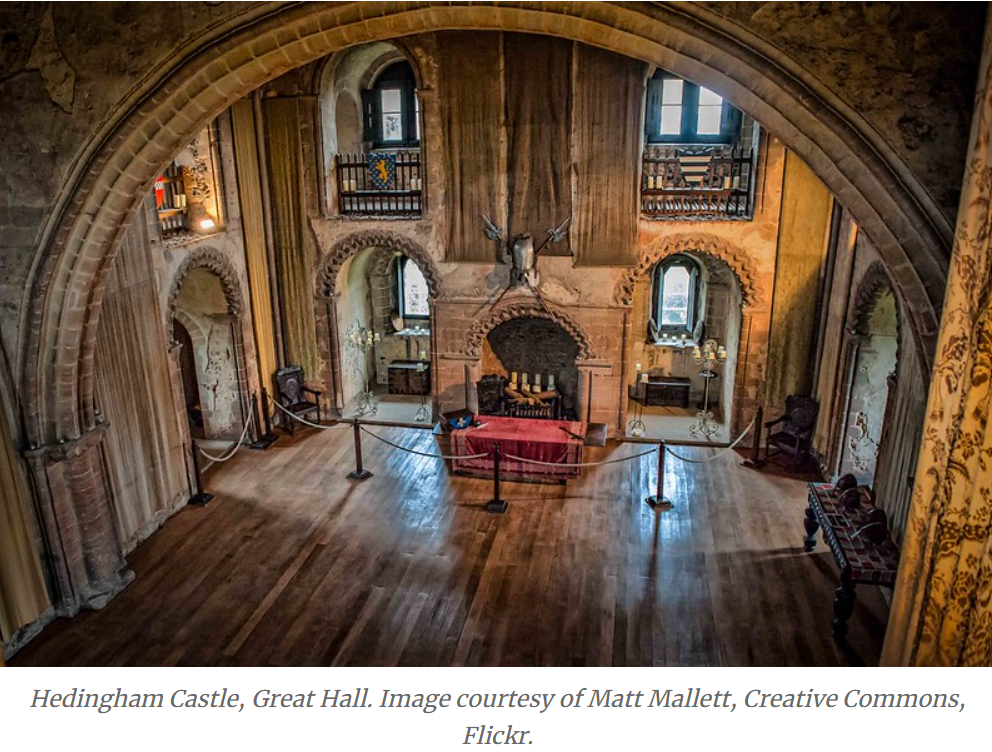
To show Henry his gratitude and appreciation for all the bounty, de Vere invited the king and his court to Hedingham for a week-long banquet. There were hundreds of guests and the cost of this would have been astronomic. However, de Vere either didn’t know or overlooked just how twitchy and suspicious this Tudor king was. When Henry and his enormous retinue departed, the earl lined the way with hundreds of his own retainers and men, all sporting his colours and arms.
Far from flattering Henry, it aroused his unease. One thing he’d determined after Bosworth was to stop magnates possessing what amounted to large private armies with which they could use against the crown if the mood took them. So in spite of Oxford’s immense hospitality and his proven loyalty, Henry fined him such a vast sum that it practically impoverished him! The guide at Hedingham attributed the decline of the de Vere Earls of Oxford to this fine.
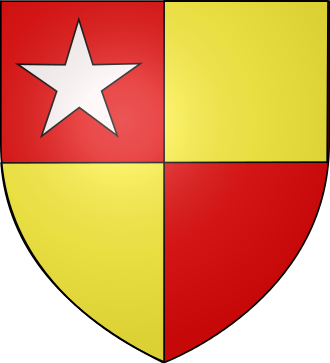
The above arms are from wikitree.com
Now, I’d heard this Hedingham story before, and it does indeed sound like something Henry would do. He was a real charmer. But a search online for more information suggested that it is probably just a story. According to S.B. Chrimes, Henry VII, the sole source for the story is Francis Bacon, The History of the Reign of Henry VII, ed. Lumby, 192-3. But Bacon wrote in the early 17th century, so where/how he came upon it I don’t know.
Apparently there is no documentary proof of such events, and certainly no date, except that it was after Bosworth. I’ve found it placed in 1485, which seems far too early. After all Henry hadn’t grabbed the throne until late August, and by the time of the week-long visit de Vere had had time to tart the castle up to a state of great luxury. I’d say it was 1486 at the earliest. The other date is 1495, which somehow seems too late in Henry’s reign. But who am I to brush aside either year. There’s no proof of anything.
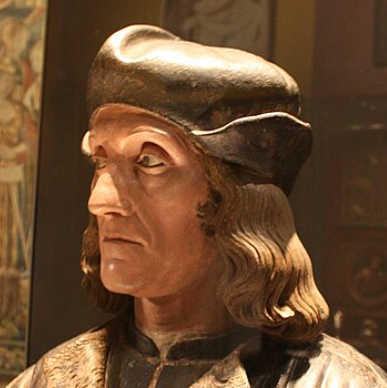
The first Tudor was mean and sour enough to treat one of his most loyal supporters in such a way. Mind you, de Vere was a little silly to parade his immense number of men in front of such a paranoid monarch. But it’s an interesting story, and I’m one Yorkist who chooses to believe it. Propaganda doesn’t only work one way, Henners.
At this site—Castle Hedingham | British History Online (british-history.ac.uk)—you’ll find a great deal about the castle, but nothing about Henry’s supposed visit. There’s more about the castle and the de Veres here https://www.greatbritishlife.co.uk/magazines/essex/22609955.essexs-best-walks-historic-circular-castle-hedingham/ and here https://en.wikipedia.org/wiki/Hedingham_Castle as well as countless other places.
And there are videos, one of which you can see at this link The History of Hedingham Castle and The De Vere Family (youtube.com).
The most comprehensive online biography I’ve found about John de Vere is at Wikipedia, see John de Vere, 13th Earl of Oxford – Wikipedia.
But you won’t find anything definitive about how very, very costly the 13th Earl found it when he played host to the miserable so-and-so he’d helped to the throne. If the story is fact, I’ll bet de Vere even wished he’d thrown in his lot with Richard at Bosworth. How excellent for posterity if, when Sir William Stanley turned traitor at a crucial moment of the battle, the Earl of Oxford had done the same in reverse. The outcome would undoubtedly have been very different.
Ah well, we Yorkists can only wish.

 The New Murrey and Blue blog
Leave a reply to Denise Cancel reply