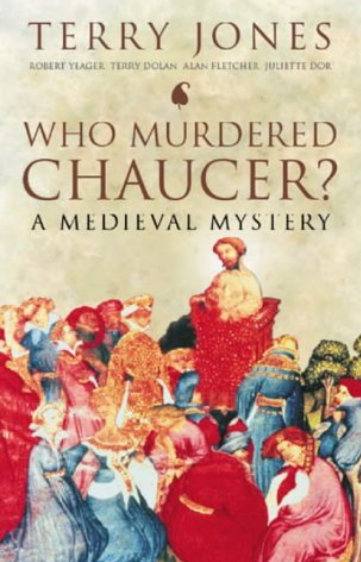
Here is an extract from Terry Jones’s exquisitely researched book Who Murdered Chaucer? This extract deals with the first Lancastrian usurpation of the throne of England. The usurper was Henry of Bolingbroke, who became Henry IV, and the king he usurped and killed was his first cousin Richard II. I think Terry Jones’s words will ring a few bells for most of us.
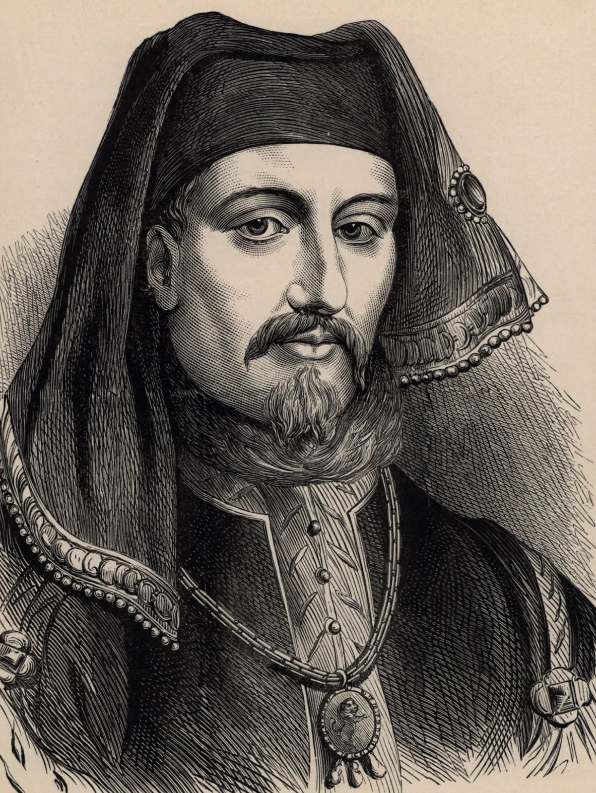
“….The usurpation by Henry of Richard’s throne in 1399 is one of darkest moments in English history. Dark in both senses of the word. It is dark because it is hidden. Henry took great care to destroy the record and to leave behind only flattering accounts of his illegal seizure of the throne….It is also dark because it was a moment when the intellectual skies of England clouded over….During the previous thirty years, England had enjoyed a period when almost anything could be thought and written, when almost any intellectual thought could be pursued, when there were few limits on the questioning of fundamental issues: whether about civil society or religious belief….In 1399, almost overnight, the country passed into an age of iron control, of Thought Police and of intellectual straitjacketing that has never been equalled before or since. It was as if the nation had passed from the Permissive Sixties into Stalin’s Russia….”
A century later, another Henry usurped another Richard, when Henry Tudor—ever scheming—managed to triumph over the betrayed Richard III at the Battle of Bosworth in August 1485. With the first Tudor monarch (although he won at Bosworth as the supposed Lancastrian heir) came the sunless years of, yes, more iron control and Thought Police. Why the Tudor period is always lauded as a glorious time in our history I will never know. Merrie England? Never. Like the reign of Henry IV, it was a time of suppression and religious intolerance.
Henry IV introduced the burning of heretics, which had never happened before in England. And Henry VII introduced the execution of women, again which had never happened before. Yet the latter’s reign supposedly marked the ending of the medieval period and the beginning of the Renaissance. Really? I think not.
The Plantagenets were the dazzling kings of Merrie England, and Chaucer’s world belongs to them. To Edward III and Richard II. It’s Chaucer whose work brings medieval London and the English countryside to joyous life. The Lancastrians and Tudors put a stop to all that. They were oppressive and cruel, and although they were on the throne when Shakespeare flourished, their tyranny was at its height and the Bard meekly kowtowed to them. One supposes he wanted to keep his head on his shoulders.
I know that my opinion of Henrys IV and VII has been well aired before, but having spent the last week or so delving into Terry Jones’s wonderful book, a whole new world has been opened for me. He suggests that Chaucer did not die a natural death, but was murdered to shut him up…and to punish him for having been a supporter of Richard II, of whom and for whom Chaucer has written.
It is an intriguing theory that has me gripped. [BEWARE, SPOILER COMING UP!] And who does Terry Jones believe committed the foul murder? Why Thomas Arundel, one of the most odious and ungodly Archbishops of Canterbury this land has ever known. Arundel was to Henry IV what Morton was to be to Henry VII….only far, far worse. He was surely the personification of the Spanish Inquisition!
And who was at his elbow? Why Henry IV.
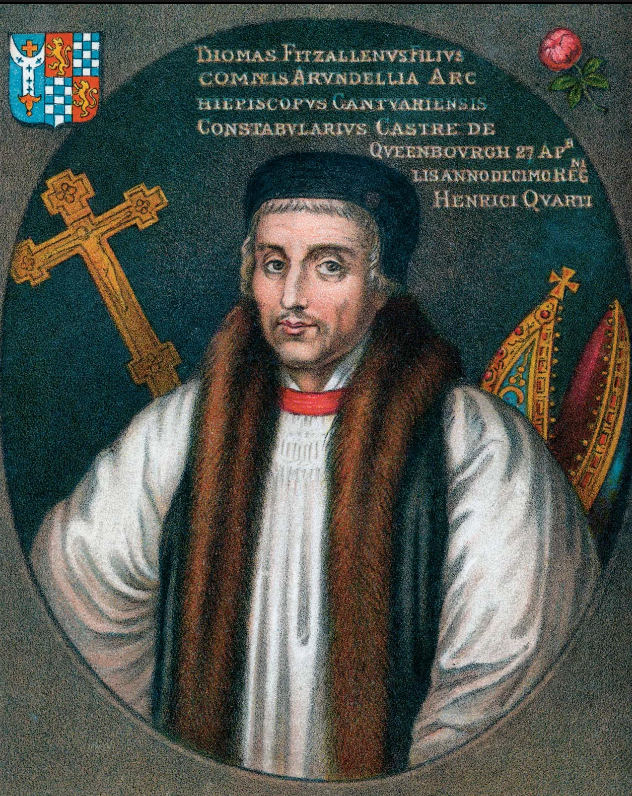
I cannot recommend this beautifully produced book highly enough. It’s written in Terry Jones’s unmistakable style, and has lashings of his wit. By the time you finish it you’ll never again think of Chaucer in the same way, and you’ll view Henry IV and Thomas Arundel through a shifting screen of sinister shadows.


 The New Murrey and Blue blog
Leave a reply to sighthound6 Cancel reply