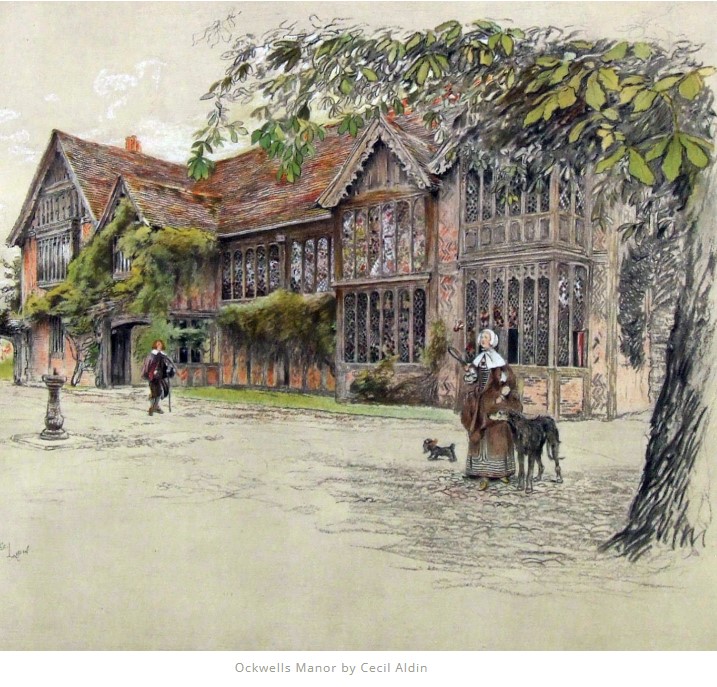
Ockwells Manor in Berkshire is surely one of the most beautiful old houses in the United Kingdom. It encapsulates everything we sigh for longingly when it comes to rambling, romantic half-timbered medieval properties with gables and a good few chimneys. And it predates the Tudors!
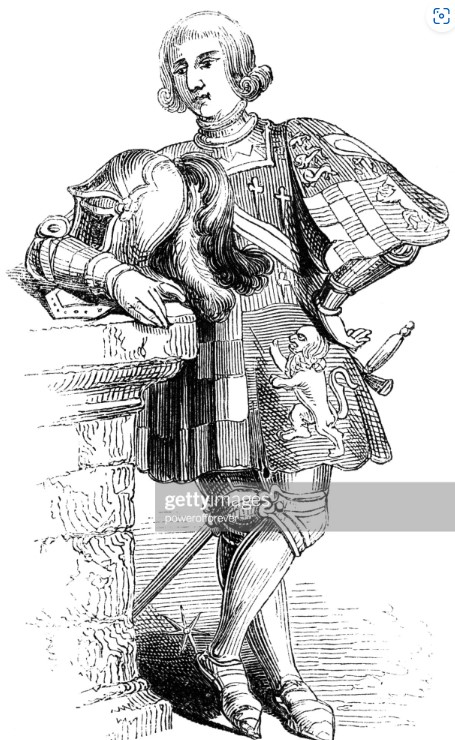
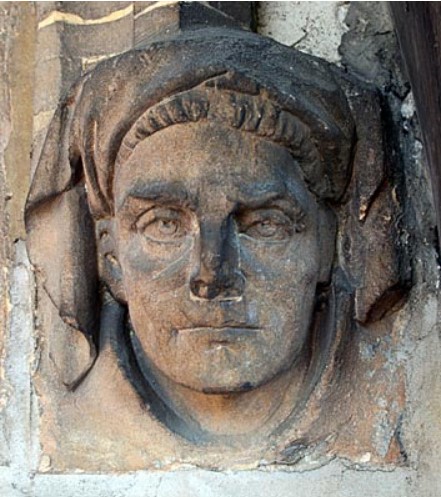
More than its beauty and desirability, Ockwells Manor has a Ricardian connection in that one of its occupants was Richard III’s cousin and close friend, John Howard, who was to become 1st Duke of Norfolk. The house was built by Sir John Norreys, who was apparently involved in the 1450 murder of William de la Pole, Duke of Suffolk. On the death of Norreys his widow married Howard and apparently they often lived at Ockwells. You can read more about the marriages and furnishings of the house here.
I originally obtained the information about John Howard’s marriage and residence at Ockwells here. The article tells of a new book ‘Ockwells Manor: A history of the house and its occupants’ by Ann Darracott, published by the Maidenhead Civic Society. Another of the Civic Society’s publications about Ockwells, from 2008 and also by Ann Darracott, can be read here and there is more from them at this link as well.
British History Online has a lengthy entry for the manor Bray with the borough of Maidenhead and it appears to be from here that some of the older illustrations of the house are taken.
There is a story that after the 1536 execution of Sir Henry Norreys, his head was buried under the chapel at Ockwells, even though his family hadn’t owned the manor for nineteen years. If you go to Ockwells Manor and the Legend of the Severed Head – The Tudor Travel Guide takes it with a pinch of salt you’ll see that the author takes it with a pinch of salt. The story, not the head. 🙄
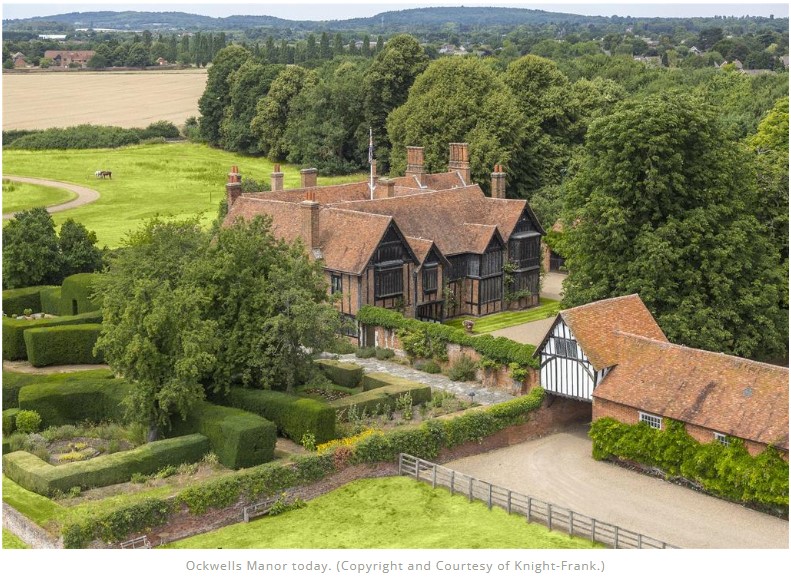
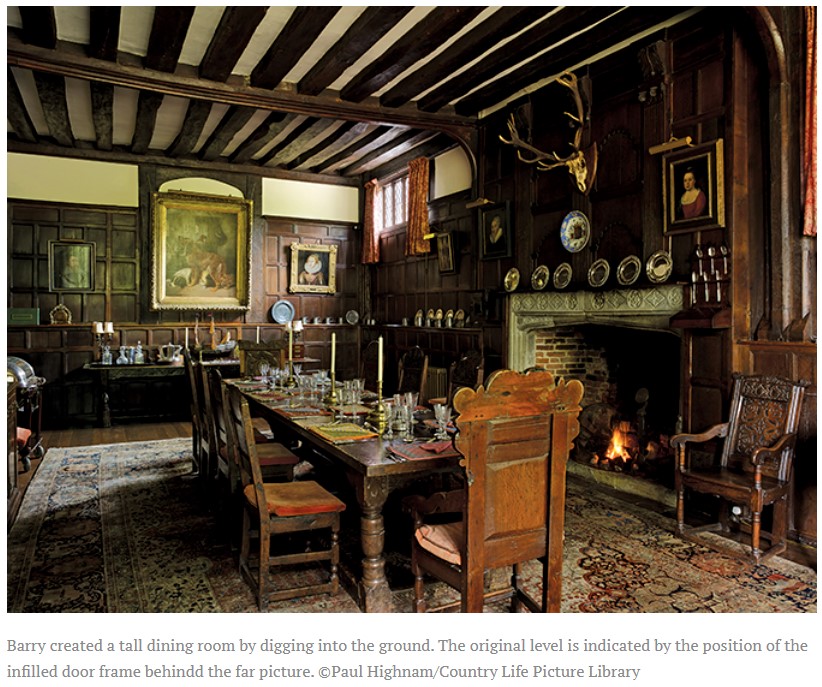
You can also read about Ockwells at this excellent, beautifully illustrated Country Life article. Another article about the manor is here.
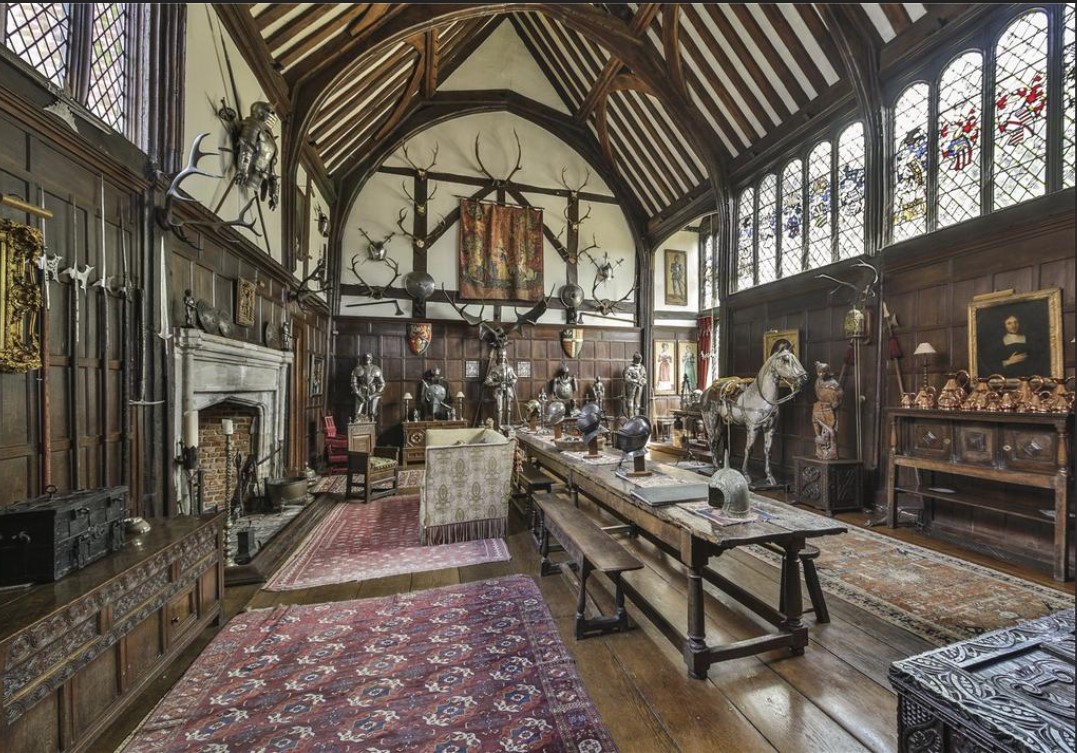
from the above Tudor Travel Guide
There are many sites online concerning Ockwells Manor, although not so very much about John Howard living there. I don’t profess to know exactly what the house was like in his time, or if he and his wife would even recognise it today, but I do know that a connection to someone as close to Richard as him makes it of immense interest to the readers of this blog.
It was on sale for £10 million, but is no more. Whether withdrawn or sold, it’s in private hands and we common folk can’t pay it a casual visit, even if we blag that we’re direct descendants of an early, exceedingly important medieval occupant!


Leave a comment