I have continued to watch The Prince’s Master Crafters series , and in the penultimate episode the contestants had a go at one another’s speciality craft. The very last episode will be when they all try to produce their very best work in their own craft. The winner will get to present their work to the “Prince of Wales” (now Charles III, of course).
Pargeting wasn’t a skill I’d heard of. Being ignorant I just lumped all plasterwork together, regardless of the finer points. But there’s much more to pargeting than mere plasterwork, and so endangered has it become that there are now less than ten master pargeters in the country. I do hope this programme helps to arouse more interest so that it’s no longer on the danger list.
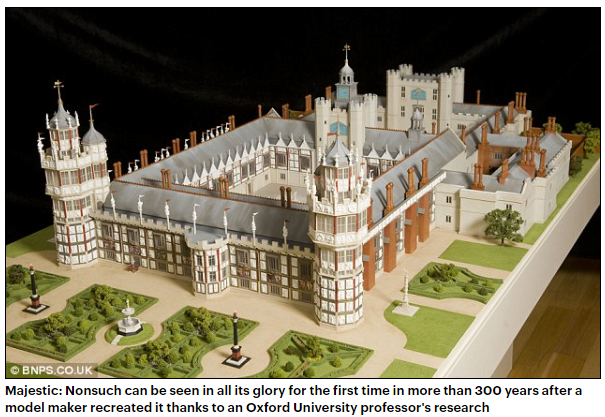
Nonsuch Palace was commenced in 1538 by Henry VIII. In the course of its final adornment, the king employed the very best Italian plasterers to beautify the walls.
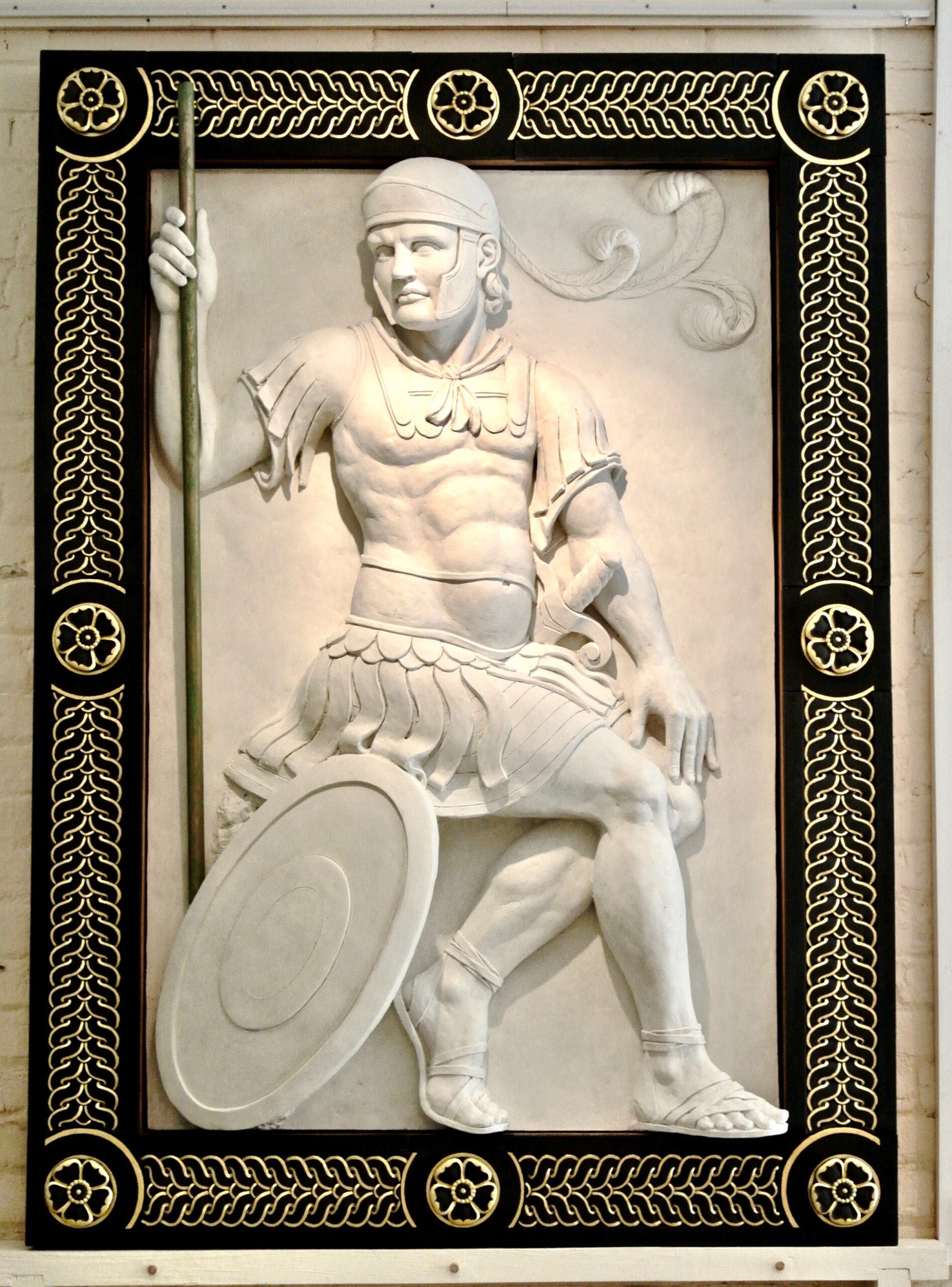
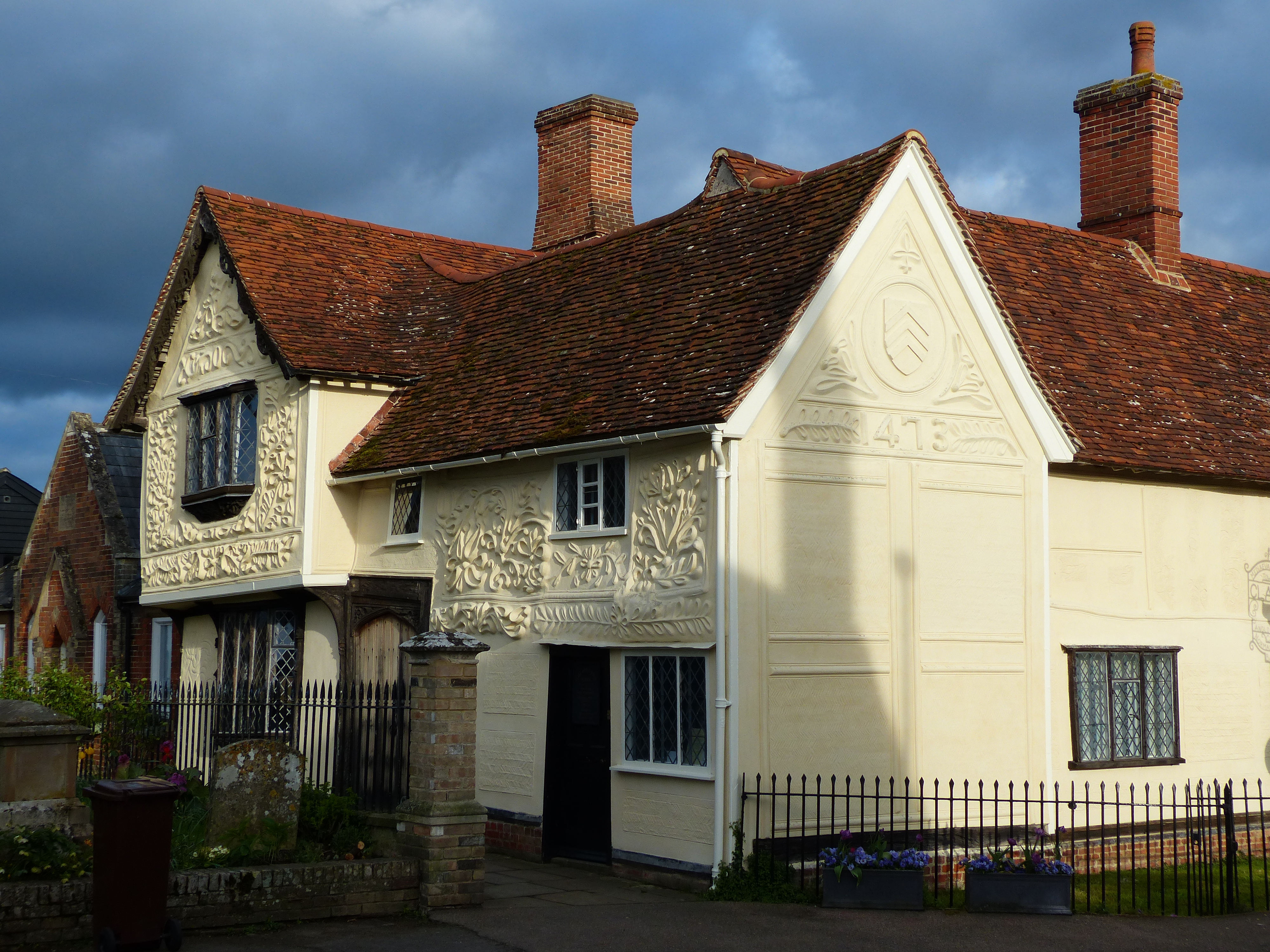
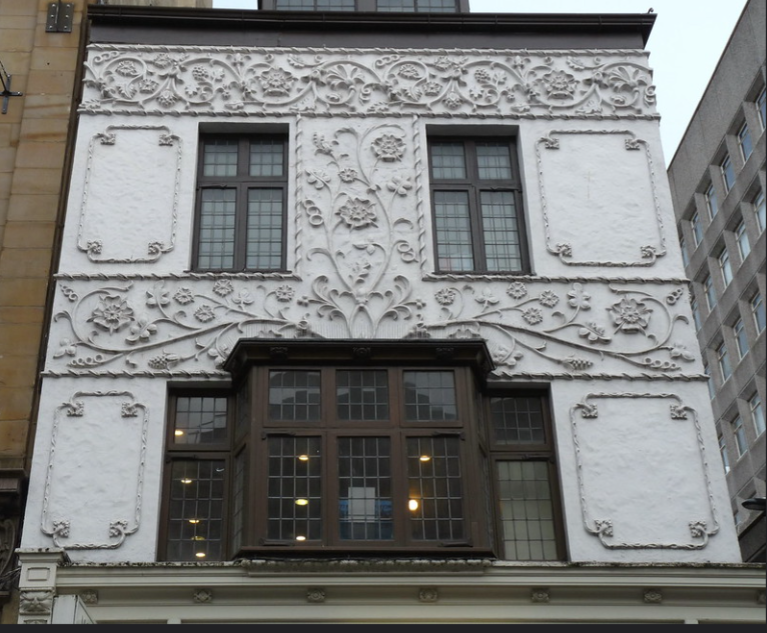
The resulting work was much admired and, of course, became “the thing to have on one’s house”. Not everyone could afford the Italian plasterers, and it wasn’t long before a layman’s version came into being. This was called pargeting, and most surviving examples of it are to be found in East Anglia. Not all, of course. There are many examples elsewhere.
In the town of Clare, Suffolk, there is a spectacular example called The Ancient House, which is 14th-15th century. It should be noted that any pargeting on older buildings was added from the Tudor period on, because it was aspired to after the building of the Nonsuch Palace.
The plaster used wasn’t like today’s plaster. They included lime and animal hair (the example they showed was mixed with goat hair to bind it) and this will last for hundreds of years, while the modern stuff will fall off long before them. The result is flexible enough to move with the house without cracking.
The narrator (the inestimable Jim Moir) had the best line in the programme. He said that after seeing all this he was “off to rethink his pebble-dash!” 😄



Leave a comment