Unlike Northampton and Oxford, St. Alban’s (City) is on the Thameslink network and also has a branch line to Watford Junction. Accommodation can be expensive but the less historic Luton is surprisingly convenient as a base, being about fourteen minutes away on the same line and costing about five pounds for a day return. 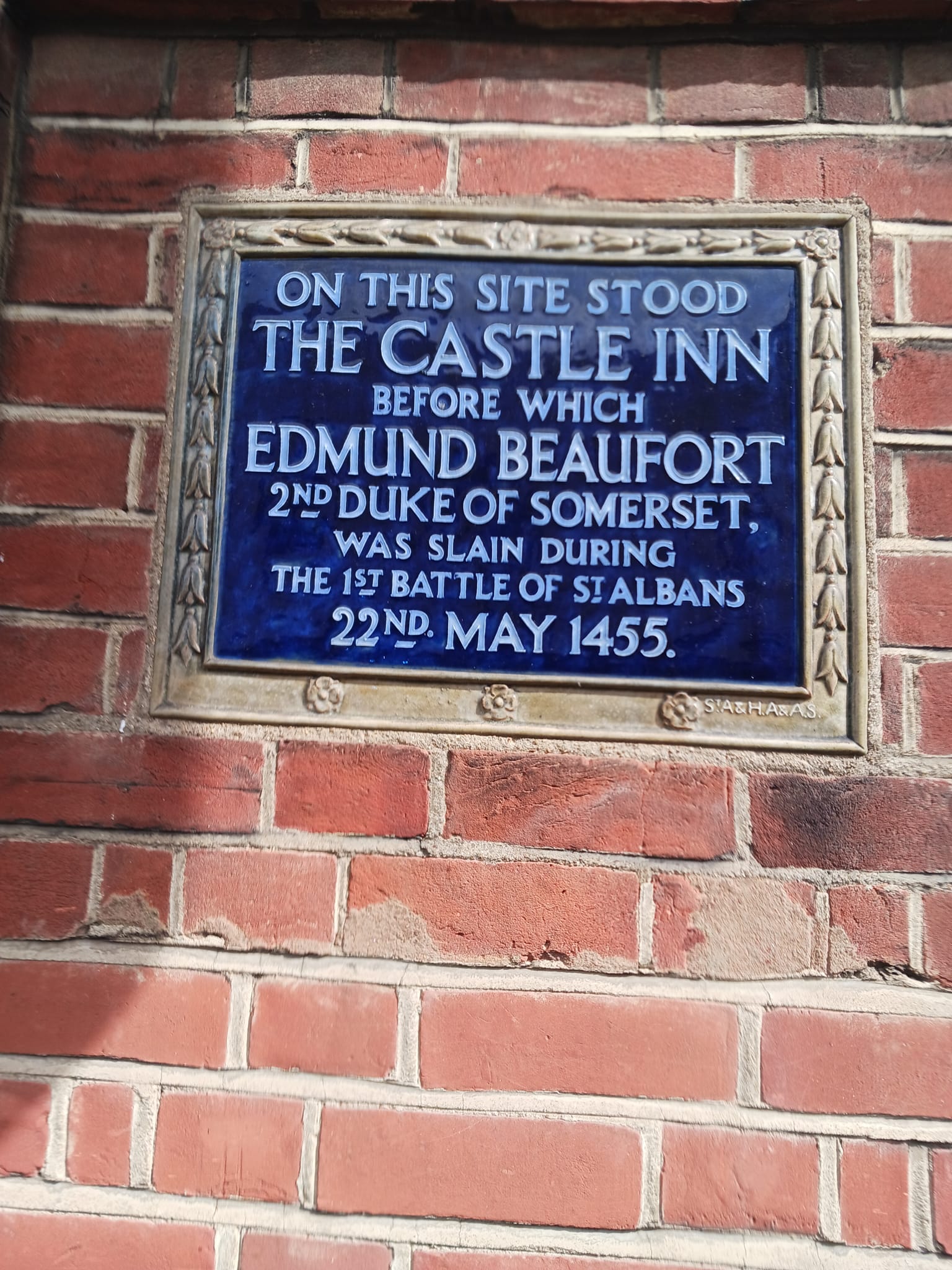 Turning right from City station leads into Victoria Street, which is about half a mile long and has the Skipton Building Society on the far corner, this having once been the Castle Inn where the Wars of the Roses yielded their first significant fatality. There are also plaques dedicated to John Ball
  (tried here), Jean II
 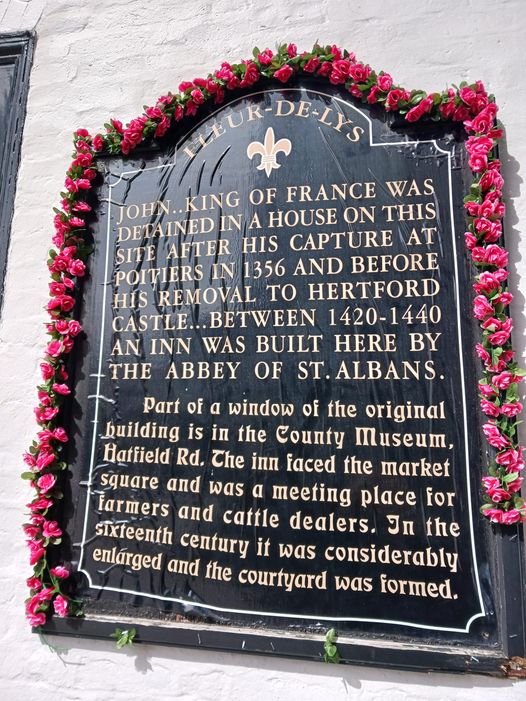 (held prisoner here after his capture at Poitiers), Humphrey Duke of Gloucester
 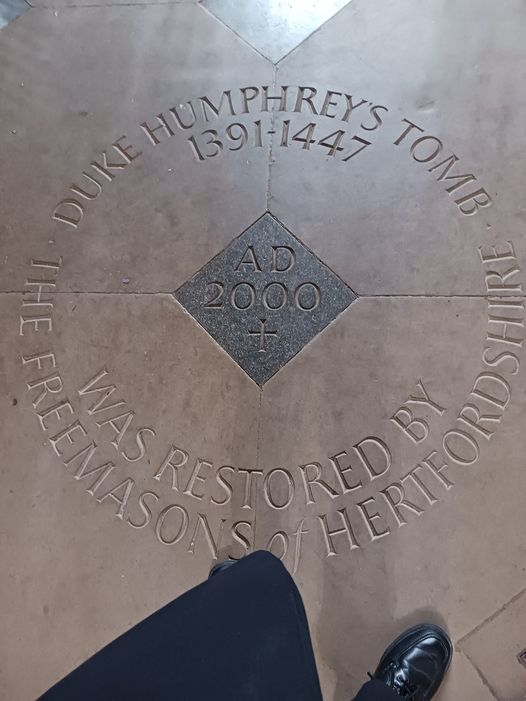 (buried here) and a former Eleanor Cross.
Just across the top road lies the municipal museum and then the majestic cathedral, which incorporates the shrine of Britain’s first Christian martyr, as well as 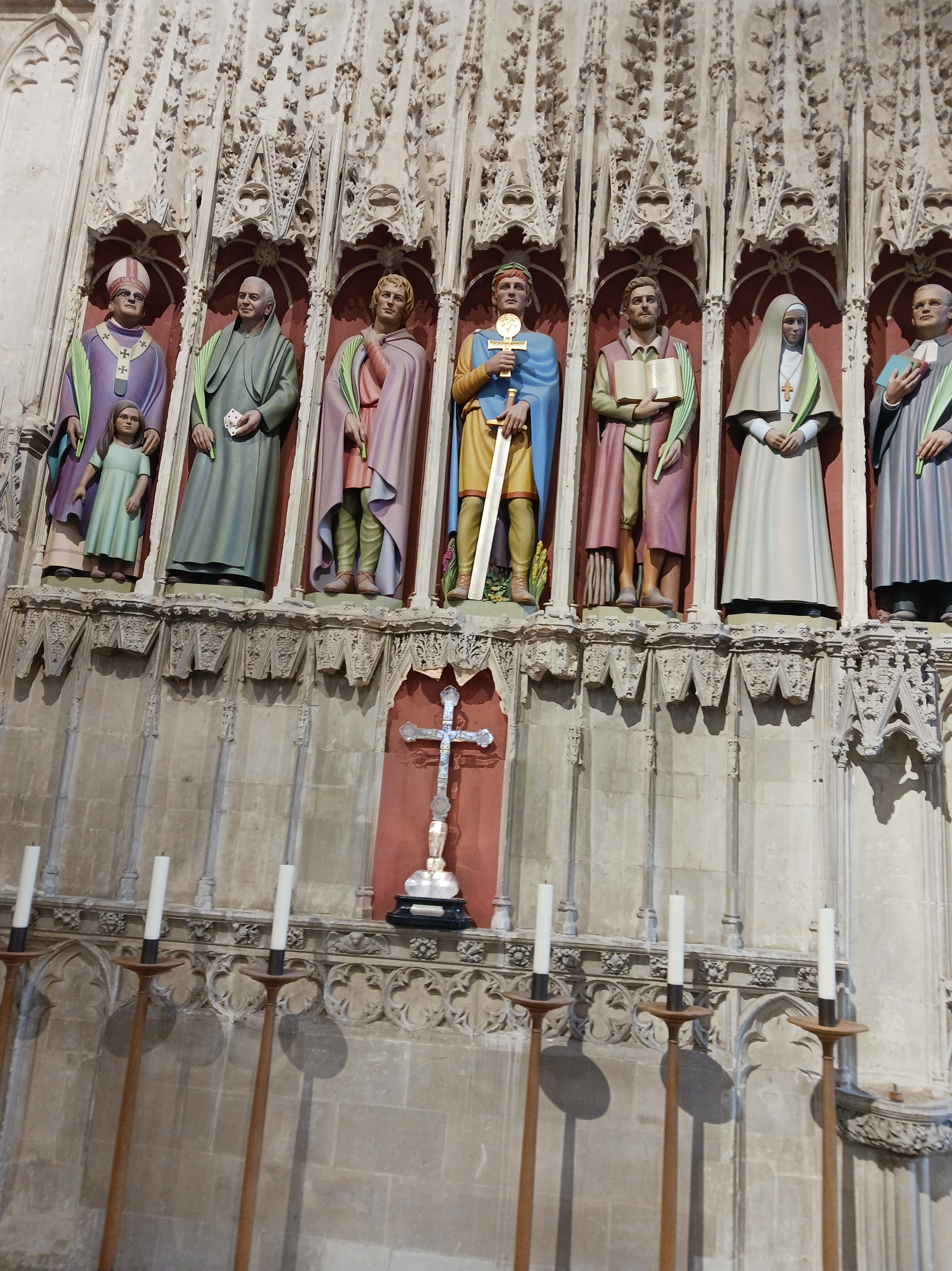 statues to
represent seven more recent ones from across the world – like the octet outside Leicester Cathedral. Beyond this is Verulam Park, incorporating the very informative 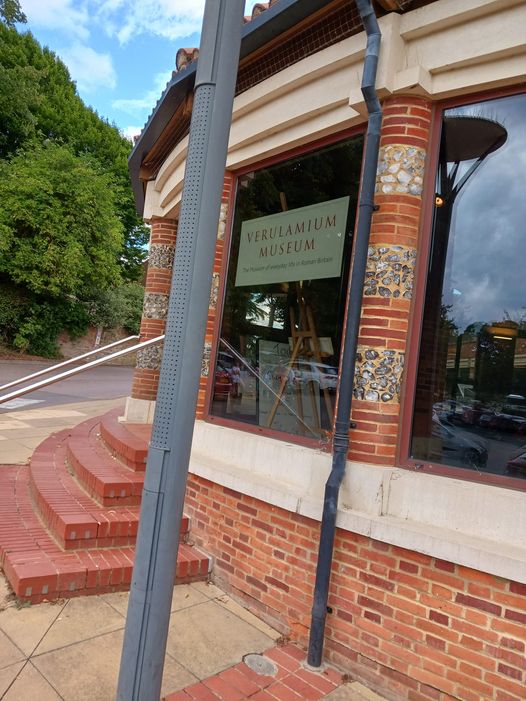 Verulamium Roman Museum and even the crazy golf course has a Roman theme. In particular, Boudicca is noted, having razed the town as she did Colchester and London. Two minutes further away, across a main road, is
 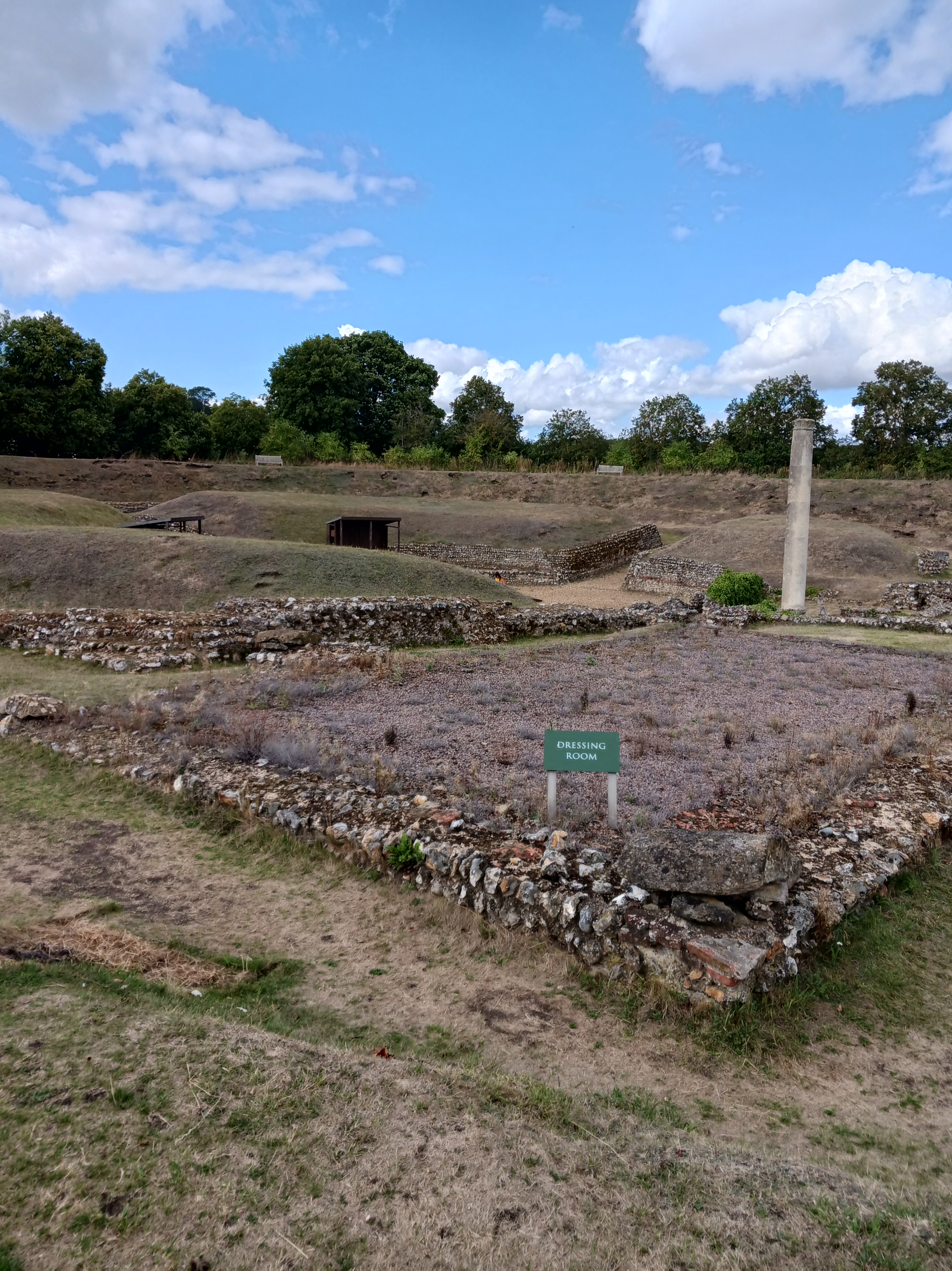 a ruined Roman theatre.
St. Alban’s is another impressive slice of British heritage in the “northern home counties”, with more than just the one significant property that Hatfield offers.


Leave a comment