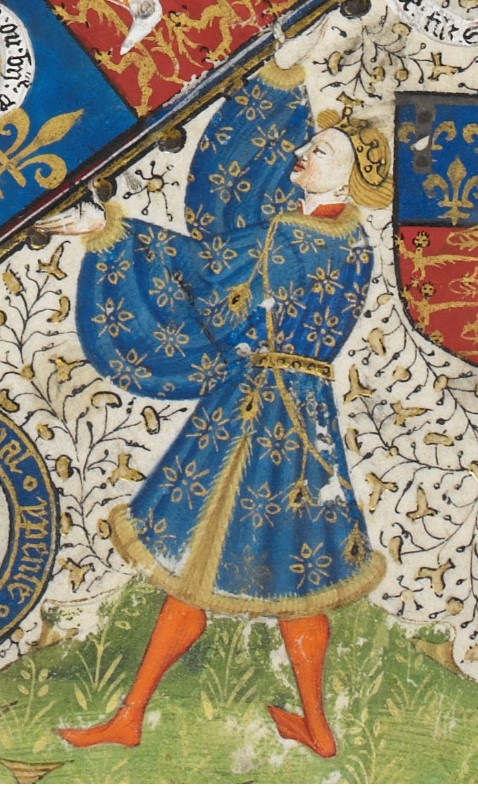
We all know the Grand Old Duke of York marched his 10,000 men up a hill and then down again. But which Duke of York was it? If you go here you’ll find there are a number of candidates, including the 3rd Duke, father of Edward IV and Richard III. In general, however, my experience has been that it’s the duke of 1642. Um, the problem with this later duke is he has 40,000 men. I prefer to think it’s the 15th-century duke, if only because 10,000 fits more comfortably into the rhythm of the tune. Forty thousand has one syllable too many for me! Plus, of course, the 15th-century duke is preferred by Ricardians!
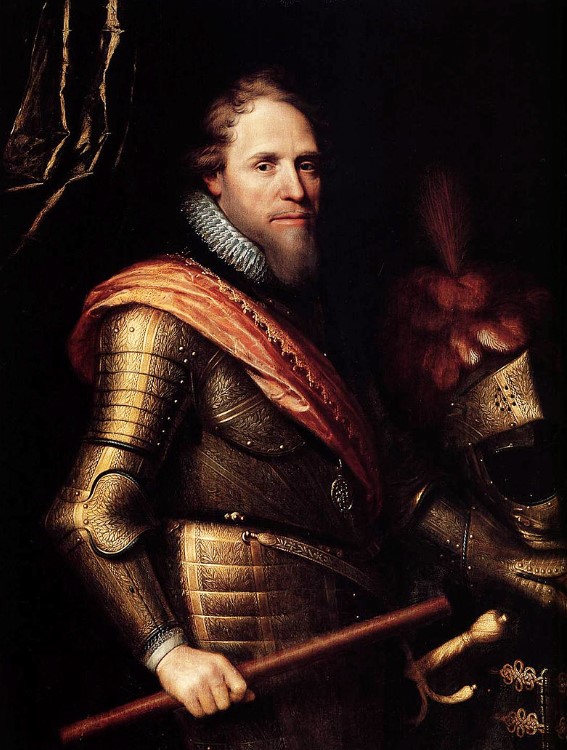
But it seems the rhyme isn’t only found in England. It’s in Holland too, where the duke morphs into Prince Maurice of Orange, who died 23 April 1625.
The hill in the rhyme is in question too. Where was it? According to this article from Country Life, it’s the one at the bottom of which is the Yorkshire village of Crayke. There the particularly beautiful (and desirable!) Crakye Manor is for sale. All you need is £2.25 million.
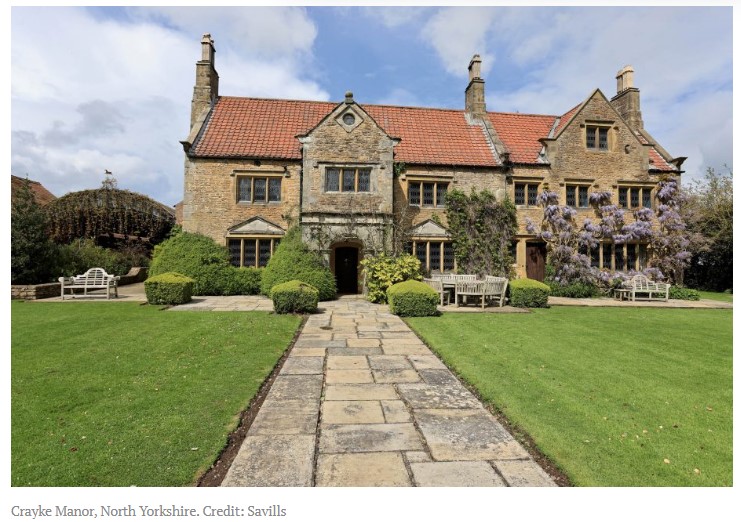
You can see the house here.


 The New Murrey and Blue blog
Leave a reply to Anne Ayres Cancel reply