
Oh dear, here we have 10 “facts” about Richard III’s predecessor namesake, Richard II. Yes, poor old Richard of Bordeaux gets it in the neck yet again. At this rate he’ll soon be Richard III’s equal. Well, maybe not quite, but you know what I mean.
Firstly it’s stated that Richard of Bordeaux was an “ill choice” to be king. Um…he was the legitimate heir to the throne, so not chosen by anyone, except perhaps the Almighty. Then he showed “no interest in governing” – he was 9/10 years old, so it was hardly surprising that he didn’t have a tight grip on what was going on around him! He didn’t suddenly wake up on the day after his coronation knowing all there was to know and be able to handle his clutch of thoroughly ambitious uncles, which included the mighty (and at the time much hated) John of Gaunt . Richard was in these uncles’ hands, ruled by them, not the other way around, and Gaunt was suspected from the outset of having an eye on the throne for himself (and his heirs).

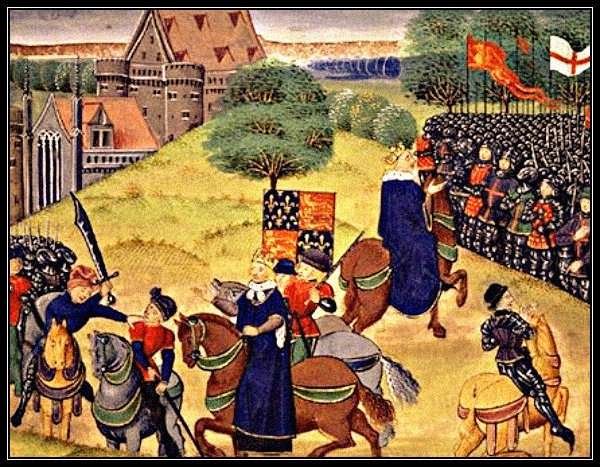
Regarding the so-called Peasants’ Revolt: the suggestion that Richard “holed himself up in the Tower” implies cowardice on his part. This was not so, even though he was only 14. Facing the rebels’ army (they were certainly not all peasants, by any means) he displayed guts and courage, and if his promises to them proved to be hollow, it wasn’t likely to have been his fault. Once again, he was in the hands of others, experienced and powerful men who wanted to cling to the way things were before the populace revolted. Richard had no real power but was simply a figurehead.
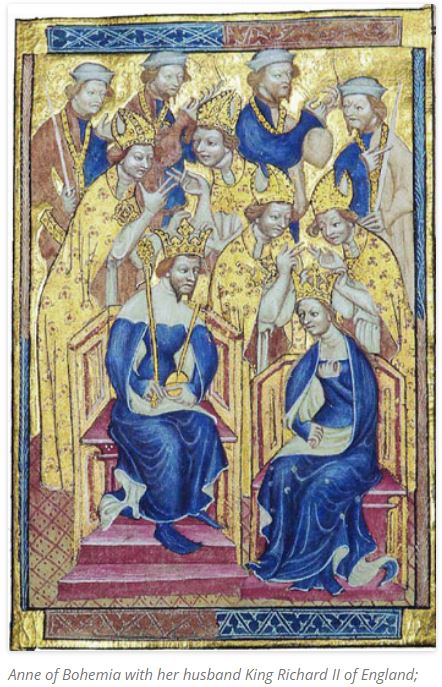
Then the list has it that he and Anne of Bohemia fell in love and “decided to get married”. Um…no, the marriage was arranged and then they fell in love. He was indeed devastated by her sudden death, which the list does at least get right.
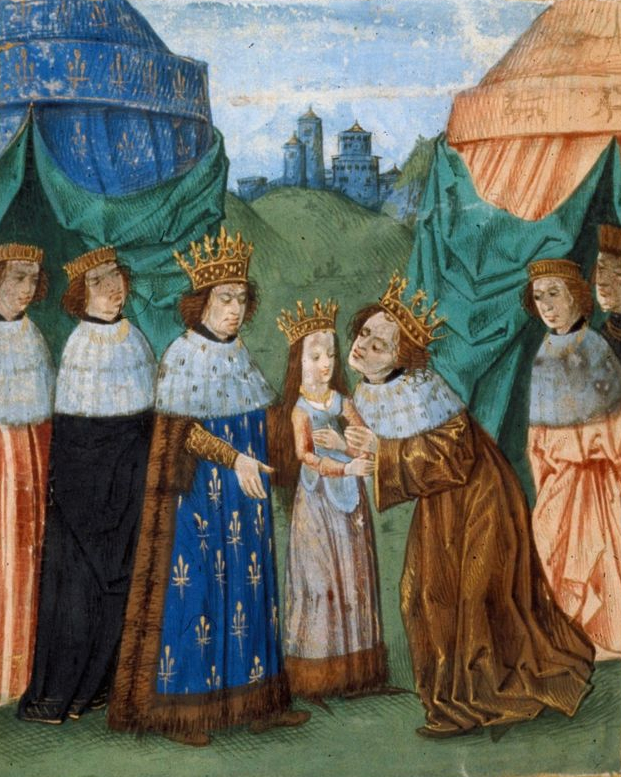
Finally, after Anne’s death he married a 6-year-old French princess, which was “creepy”. Maybe to our modern eyes, but certainly not back in the 14th century. Magnates even arranged marriages for babes in arms. Royal marriages were almost always political, with a view to international alliances and so on, and Richard wanted peace with the eternal enemy, France. He treated his new little queen, Isabelle of France , very well indeed, with gentleness and kindness, and certainly without any notion at all of consummating the match until she was of age.
Did he end up a tyrannical maniac? I don’t think so. From the very beginning Richard II hadn’t had a chance to develop normally. His father, the great “Black Prince” should have become king on the death of his father Edward III. Instead he pre-deceased Edward leaving one small boy as Edward’s and England’s heir.
Richard was manipulated cynically from the outset of his reign. To make matters worse, he wasn’t a warrior by nature. He wanted peace, the development of arts and so on. In that he was way ahead of his time. But the aristocracy wanted war. The defeat of France and other enemies was an overriding consideration for them. Peace with France was Richard’s desire.
It would have taken a man of a very different character from Richard II to have grown up “normally” in the face of such constant adversity. He took refuge in doubtful friends and favourites, maybe because he had a very human need for people of his own around him, not those who were really his uncles’ cronies? Perhaps that was even a factor in the immense depth of his love for Anne. They were together against the world, so to speak. If he did eventually flip, as the modern expression has it, then I fear it wasn’t really surprising.
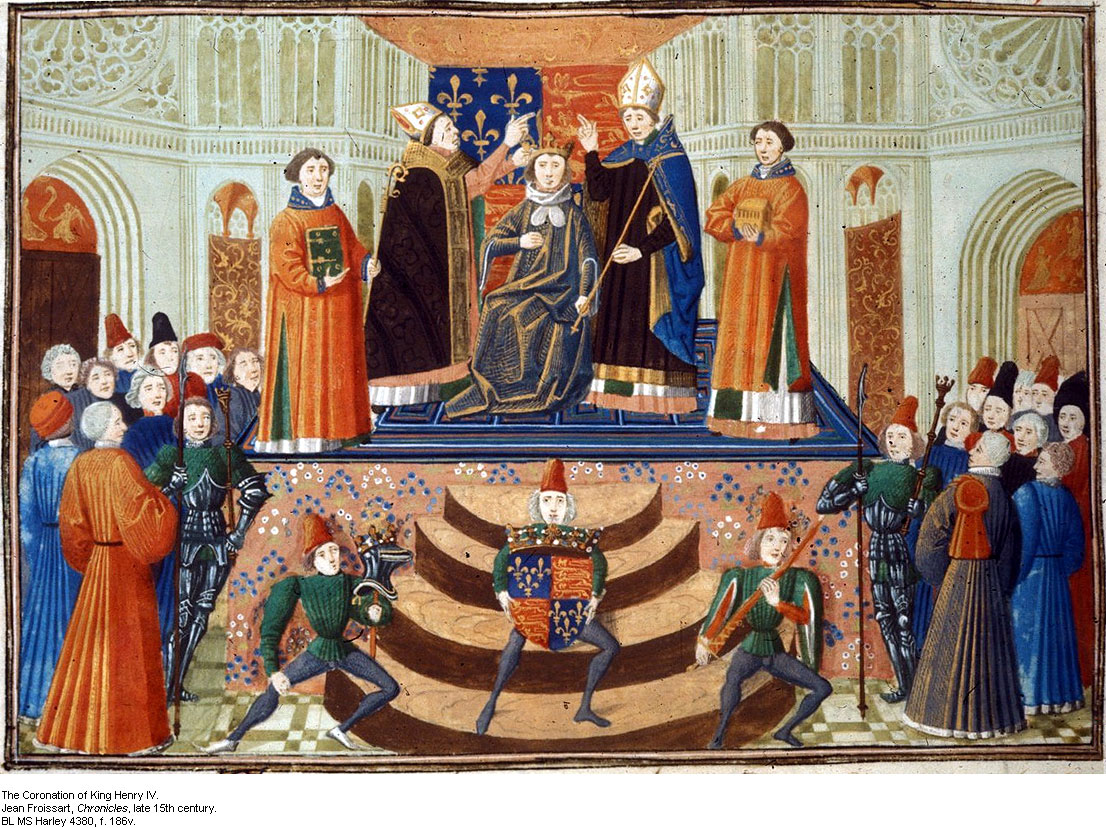
He was overthrown by his first cousin, Henry of Bolingbroke, http://www.bbc.co.uk/history/historic_figures/henry_iv_king.shtml Duke of Lancaster, the son and heir of John of Gaunt. As the new Henry IV, Bolingbroke wasted no time about ridding himself of the awkwardness of an anointed king. Richard died mysteriously in Pontefract, maybe by starvation, maybe by poisoning. It’s not known.

What might have happened if Richard’s second marriage had been to a queen who was of age? He and Anne of Bohemia had no children, although she reported miscarriages, so it wasn’t the platonic marriage some stories suggest. If Isabelle of France had been old enough, and had given Richard the vital heir, what then? Did Henry of Bolingbroke always harbour ambition for the throne? His father, John of Gaunt, was certainly believed to have done, and maybe he’d instilled the same goal in his son.
Might Henry have rebelled anyway, whether Richard had a direct heir or not? The Dukes of Lancaster were fabulously wealthy and powerful, but Richard’s position would have been infinitely stronger if he’d had a son. In this respect I think Richard II’s position was a distant echo of what was to come for Richard III. Maybe with the king having the security of an heir, neither this earlier Henry — nor the Henry Tudor of the future — would have rallied the support he actually did.
Did Richard II deserve his fate? I don’t think so, but he was “damaged goods”—damaged by everything that had happened to him from childhood, and by his own inner self. I feel sympathy for him. He wanted things to be different, and he tried hard to achieve this, but the tediously long battle went against him.
Did England deserve Henry IV? No.


 The New Murrey and Blue blog
Leave a reply to viscountessw Cancel reply