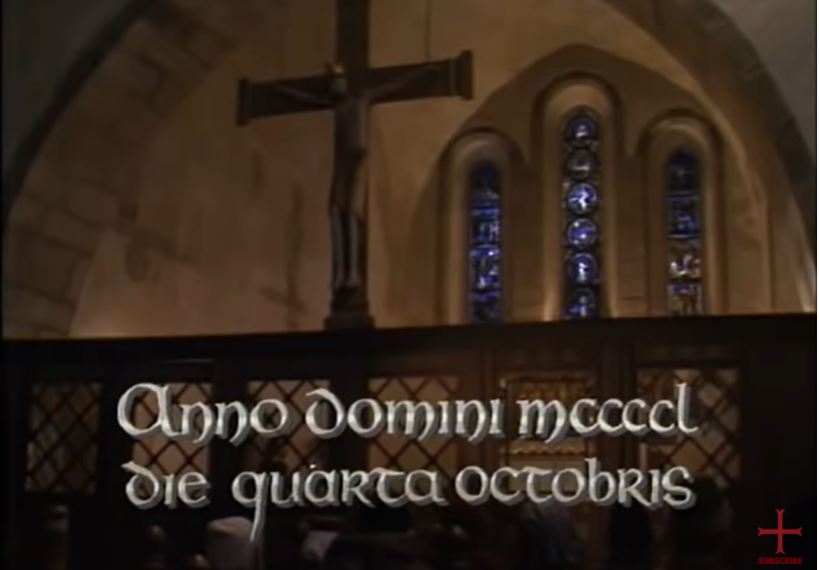
Medieval Latin Mass as Richard would have known it….

I have often wondered about the medieval Mass. What happened? What would it have been like to be there? What was said/sung/chanted? Well, I have now found a link to a You Tube film that shows a recreation of a Mass of Sunday, 4th October 1450 – the 18th Sunday after Pentecost. The film itself is an hour long and from Sweden, so the introduction is in that language, but the Mass is in Latin (bar the sermon) and is exactly what those in Richard’s era would have heard here in England.

It’s very beautiful and heartfelt, and puts all our present-day ceremonies (whatever denomination!) to shame.


Subscribe to my newsletter

  1. Thank you for this: looking forward to viewing the re-creation.
    pax,
    dora

    Like

  2. It may be completely faithful and lovely to witness but I I don’t agree that it puts worship today to shame. The congregation there are standing witnesses of something done on their behalf by others, in a space that none of them can approach. They play no part in the ceremony, receiving of elements, or responding to anything. Theologically – thankfully! – we have moved from this position of faith to one which is just as dedicated but which engages the heart and mind and makes an individual believer able to fully respond to what is being enacted before them. They can now join “with the song of the angels” – it’s not reserved for the select (male) caste of priests. They can receive the elements more than once or twice a year. Medieval people would have little understanding of the Latin involved in most of these psalms, canticles, the consecratory prayer. It may be beautiful to listen to but worship is about people understanding what is going on and what is being said about their faith (being able to access worship through the forms of language that enable people to do this), worshipping God themselves, not just through the person of the priest or cantor, participating in prayer themselves (if only by assenting Amen) and in acts of penitence they are a part of rather than being mute witnesses to “something that is done to” them, or simply listening to a performance.

    Liked by 1 person

Leave a comment