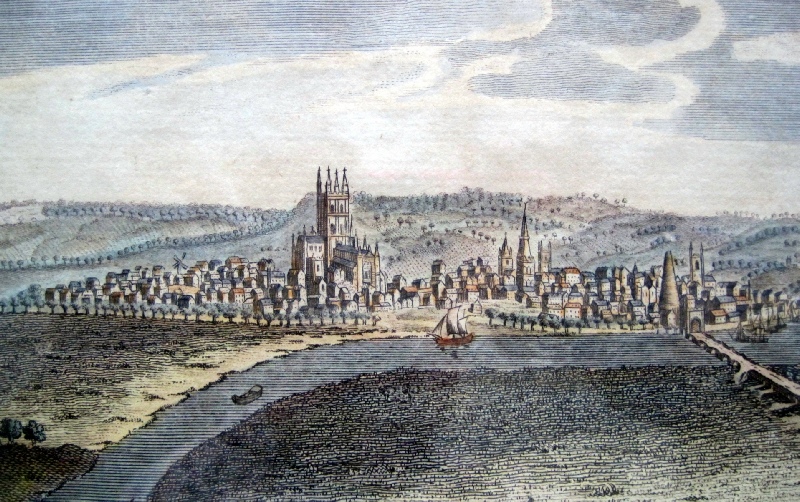
28th October is a notable day for me because of three events in Gloucester’s history:-
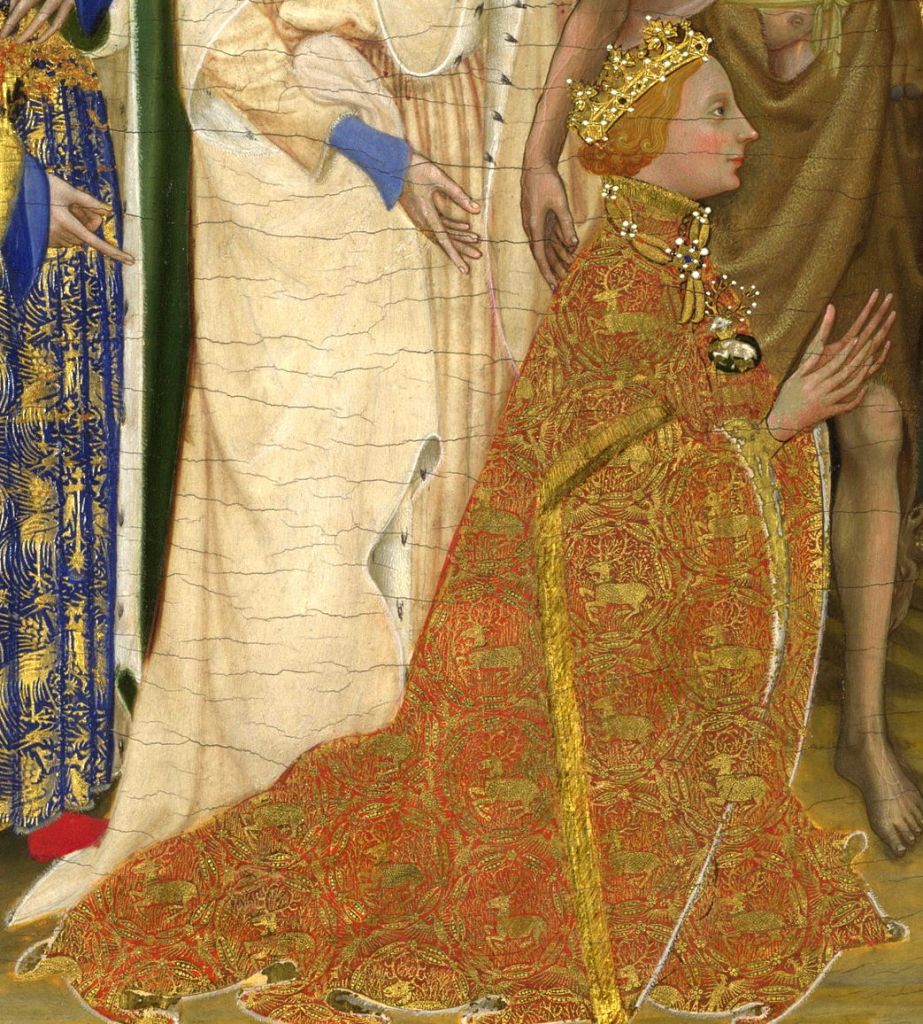
(1) It was the day my second favourite king, Richard II was in Gloucester and Tewkesbury—well, he was from 20th October 1378 until mid-November, so had to be in one or the other on the 28th.
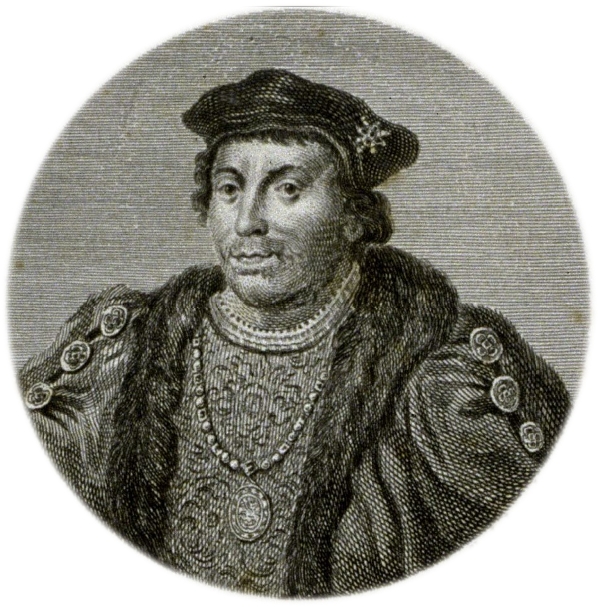
(2) It was also one of the days in 1483 when the treacherous Duke of Buckingham’s rebellion against Richard III floundered (and foundered!) and failed.
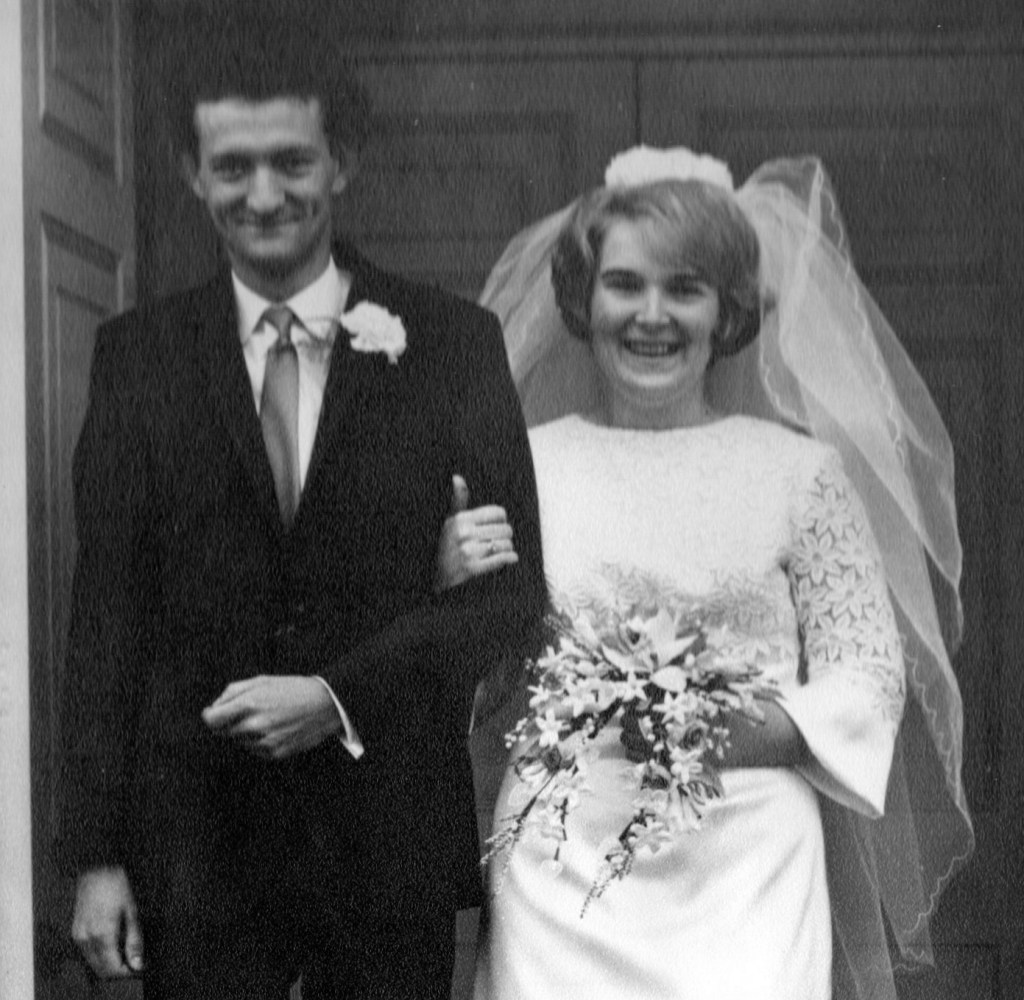
(3) Most important of all, of course, it was the day I was married in 1967 (not actually in Gloucester, but right outside).
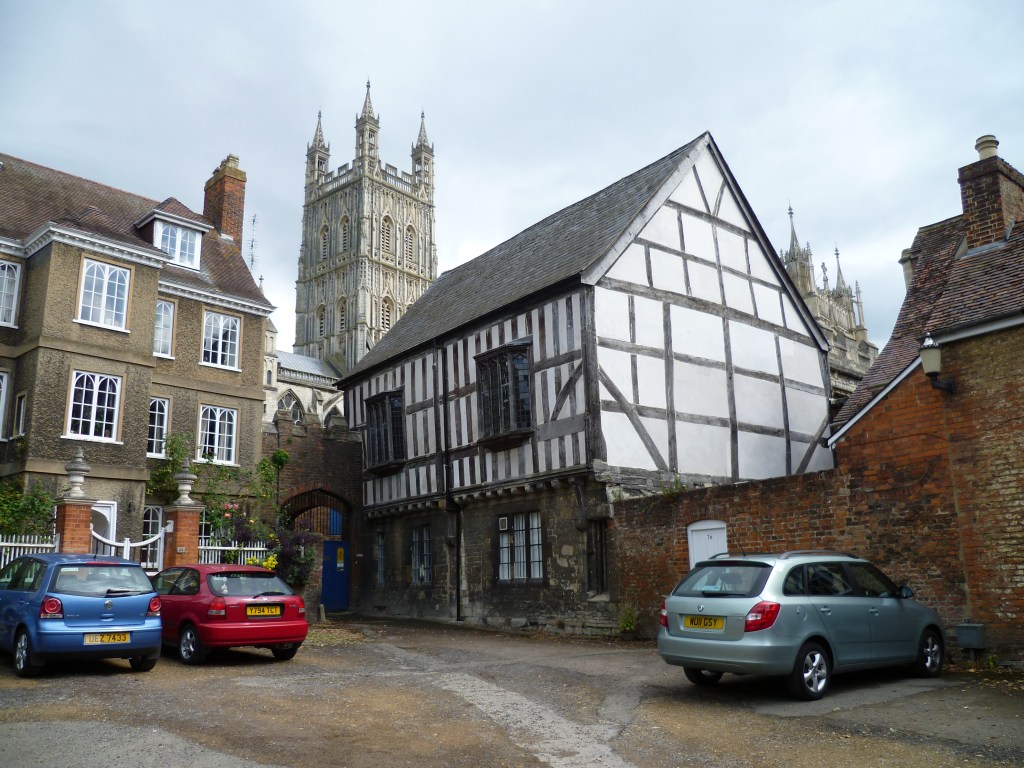
Right, back to 1378 . This was another difficult year for England, and for Parliament. Demands for ever higher taxes made holding Parliament in London a rather hazardous matter, and so the venue was moved to Gloucester instead. The citizens of that city being deemed less militant? Anyway, the MPs met close to the abbey/cathedral in a half-timbered house that is still called Parliament House.
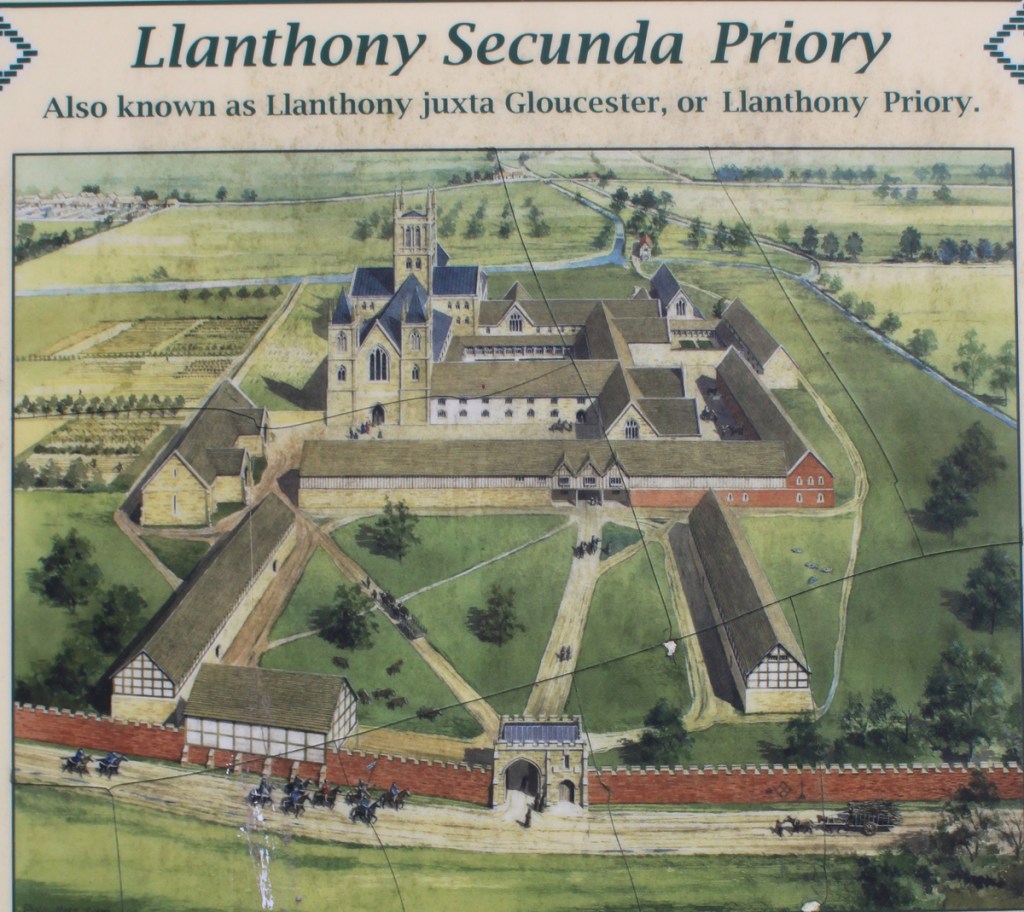
RII was eleven years old at the time, and is recorded as having stayed at Llanthony Secunda Priory, where he was seen in the gardens. The priory was (parts of it still are) just outside Gloucester city walls, close to the Severn.
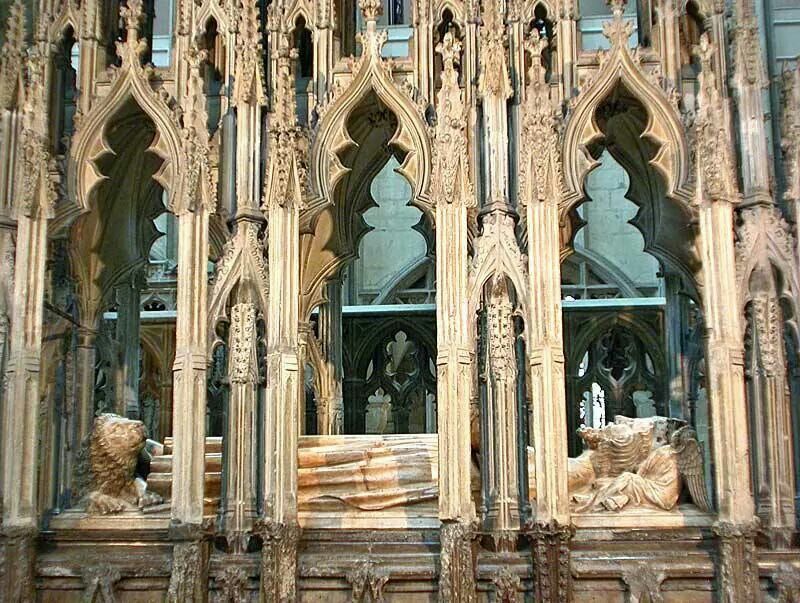
Gloucester had a special significance for young Richard, because his great-grandfather, Edward II, was buried in the abbey. All his life, Richard held Edward in special regard, and strove without success to have him canonized.
When Parliament rose, Richard and his retinue rode north to Tewkesbury, and thence out of “my” area.
On to 1483. Richard III, of course, had been Duke of Gloucester. And yes, I’d have liked him to be interred in Gloucester Cathedral. Well, he was ours, in a manner of speaking. And he certainly wasn’t unpopular here, far from it.
For a timeline of 1483 see here It’s OK for the dates, but be warned, it’s anti-Richard. For example for 12th October 1483 it says “Richard writes to Russell, calling Buckingham ‘The most untrue creature living’ (next to himself, I suppose)”. Oh, excuse me while my sides split. But the dates are useful.
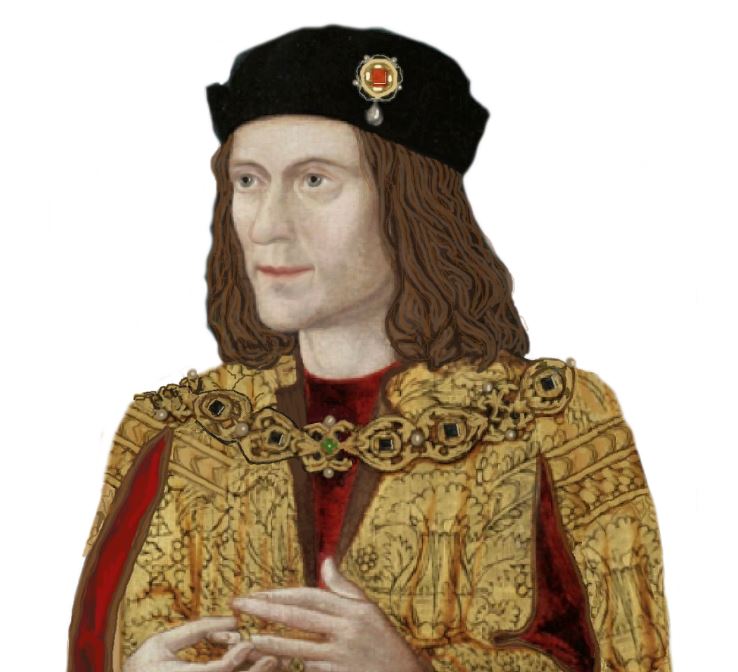
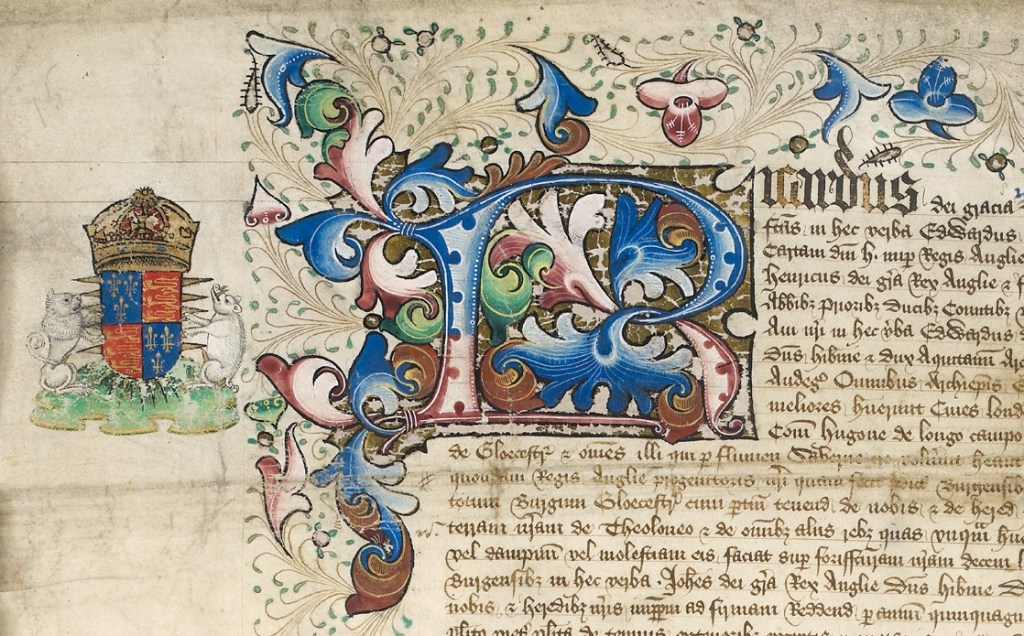
The town of Gloucester had reason to be grateful to Richard. After his coronation on 6th July 1483 he went on a royal progress accompanied by Buckingham, and on reaching Gloucester on 29th July he granted it a charter that stayed in force until 1974. This gave the city the status of a county, allowed it to have a Sheriff who could hold a County Court, and allowed the election of a mayor, aldermen and a coroner. See here.
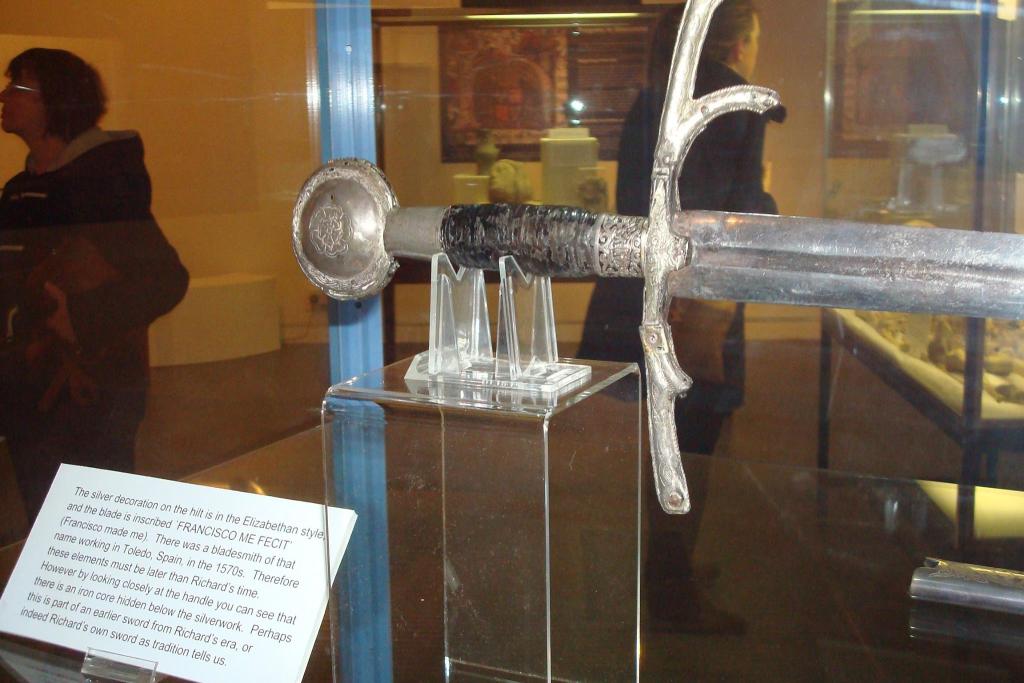
Richard also presented what is said to be his own personal sword (the so-called Mourning Sword) to the City, which still has it.
On 2nd August 1483, when they both left Gloucester, Buckingham parted company from the king and made his way over the Severn into Wales and his own lands. He had with him, supposedly as his prisoner, a treacherous Lancastrian serpent by the name of Bishop John Morton.
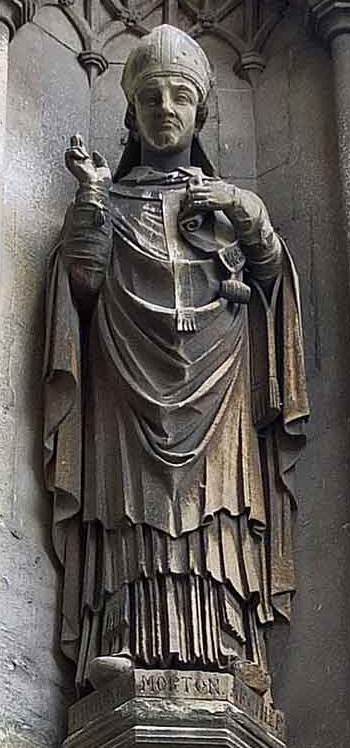
It will probably never be known exactly why the Duke of Buckingham rose against his cousin, Richard III. That Morton whispered in his ear in the Garden of Brecon is not in doubt! The man responsible for the odious Morton’s Fork surely had a forked tongue as well! See https://www.britannica.com/biography/John-Morton#ref185463
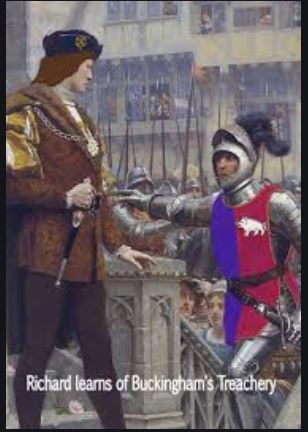
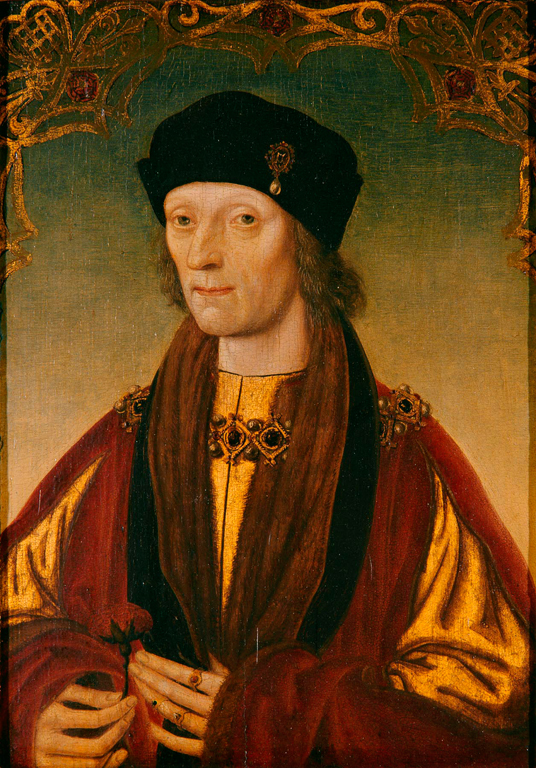
Buckingham had been grandly rewarded, and was doing very nicely from the new king. What his motive was for turning on Richard is a mystery, and may simply have been that he fancied being kingy himself. What I doubt very much is that he rose in support of Henry Tudor. Never! Buckingham’s claim to the throne was much better, and he probably thought Tudor was helping him, not the other way around.
But then, I don’t think our duke was over-endowed with grey cells, just with ego. Henry, on the other hand, was as crafty as they come.
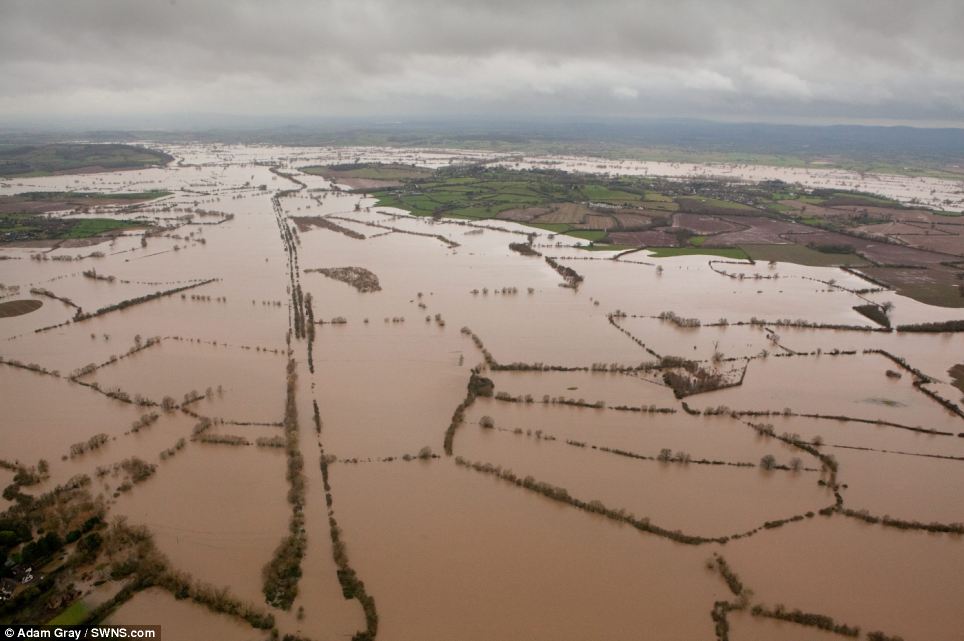
But that’s not the point now, because I’m concerned with 28th October. When Buckingham commenced his rebellion, he left his castle in Brecon and made for Gloucester, which was the best place to cross the awkward River Severn. It also provided the most direct route in England, and to wherever the duke intended to go from there. To take London while Richard was elsewhere in the realm? But one big thing seems to have been overlooked. That autumn was one of the worst in living memory, and the Severn (as well as all other rivers, especially in the west) was in flood. And how. It’s a beast of a river, believe me, even when it’s at normal levels.
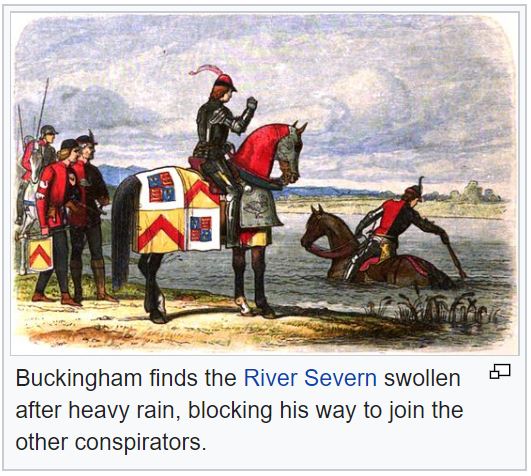
So there’s Buckingham, banner unfurled, riding at the head of his reluctant army of Welshmen, who weren’t inclined to fight against Richard in the first place. They reached the river…. Suddenly the duke turned to look back and his army had melted away. Yikes! He’s practically on his own, and by now he knows Richard has been alerted and is on the way on the English side of the river. The king will not be pleased…or in a forgiving mood. Time to panic, methinks.
So Buckingham turned tail…at least, his horse did…and off to the north he fled. Then it’s into the hands of a “friend” named Bannaster. Oh dear, another nasty shock, capture and being bundled down the English side of the Severn toward Salisbury, where a trial awaited. Richard refused to listen to his cousin’s abject pleas for a chance to explain himself. Which is as well, because Buckingham’s son afterward said his father had concealed a dagger about his person and intended to drive it into Richard however he could.
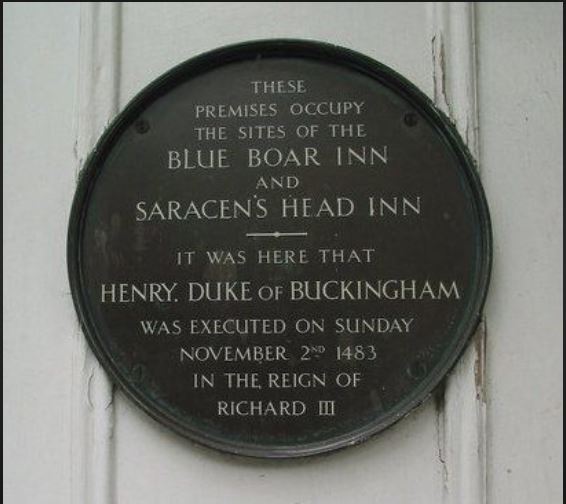
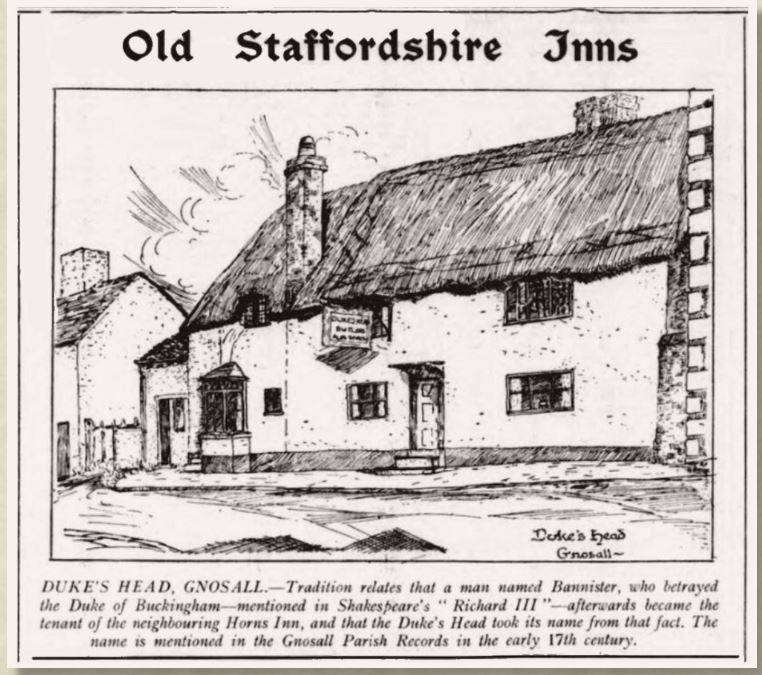
Here’s more about this Bannaster connection. “….Buckingham’s rebellion began – and failed, largely because his Welsh tenants decided they liked him less than Richard III. Robbed of this crucial support, he fled to a friend’s home but the friend, Ralph Bannaster, turned him in and, on 31 October, Buckingham was taken to Sir James Tyrell and Christopher Wellesbourne, staunch supporters of Richard III….”
This betrayal by Bannaster is still remembered (see here) by the name of a house in Finchampstead in Berkshire. It’s thought that the Berkshire property is actually a confusion with another property closer to the northern Welsh borders, where Buckingham fled when he realised the game was up. The name of the betrayer isn’t questioned, it was definitely a Bannister/Bannaster/Bannastre. You will also find more at http://www.gnosallhistory.co.uk/horns_inn.htm
And Henry Tudor? Well, he sailed for England with French backing, and lurked off shore like an animal sensing a foe. Henry was a great lurker. When he heard the uprising had collapsed, he scuttled back to France. Tomorrow was another day, as someone on celluloid once said.
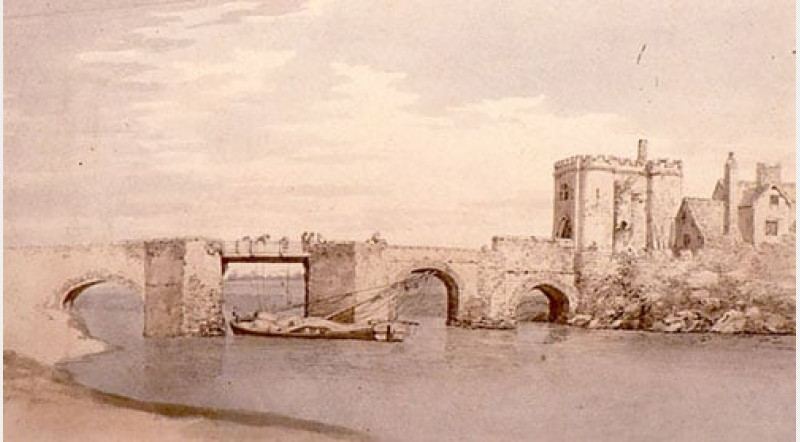
Right, that was Buckingham’s fate, but what had been going on in Gloucester during all this? The city had known that if the Severn should miraculously recede again, and the crossing were sufficiently exposed, they were going to be invaded by a rebel army. They didn’t know if the rains had long since ceased upstream and in the Welsh mountains, where the Severn began. If there was no flood water coming downstream, then the river would go down again, perhaps too quickly for comfort.
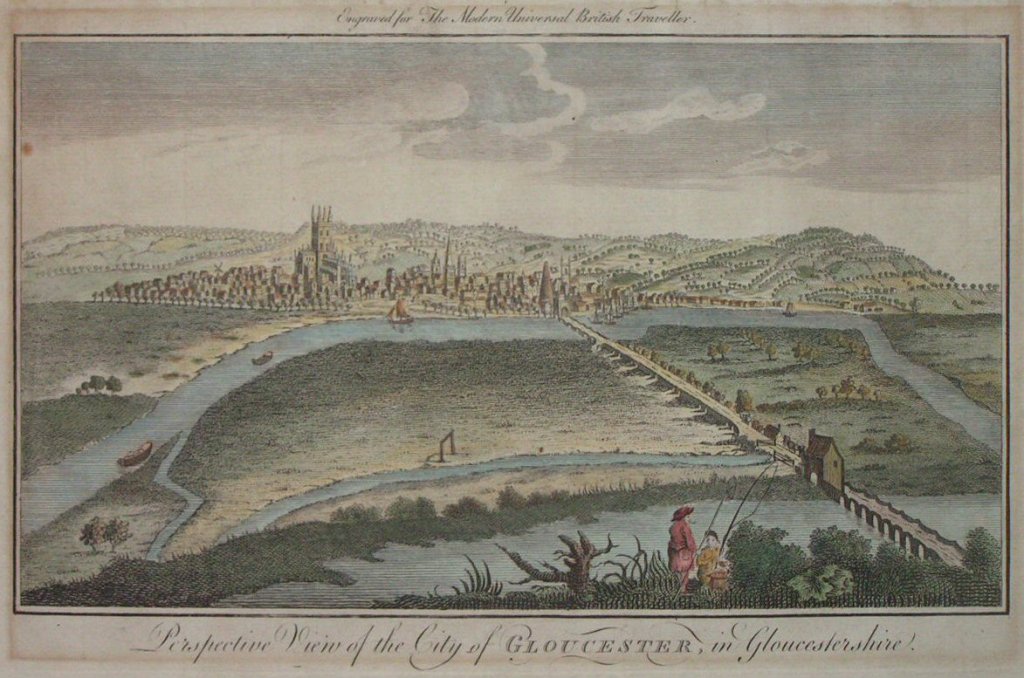
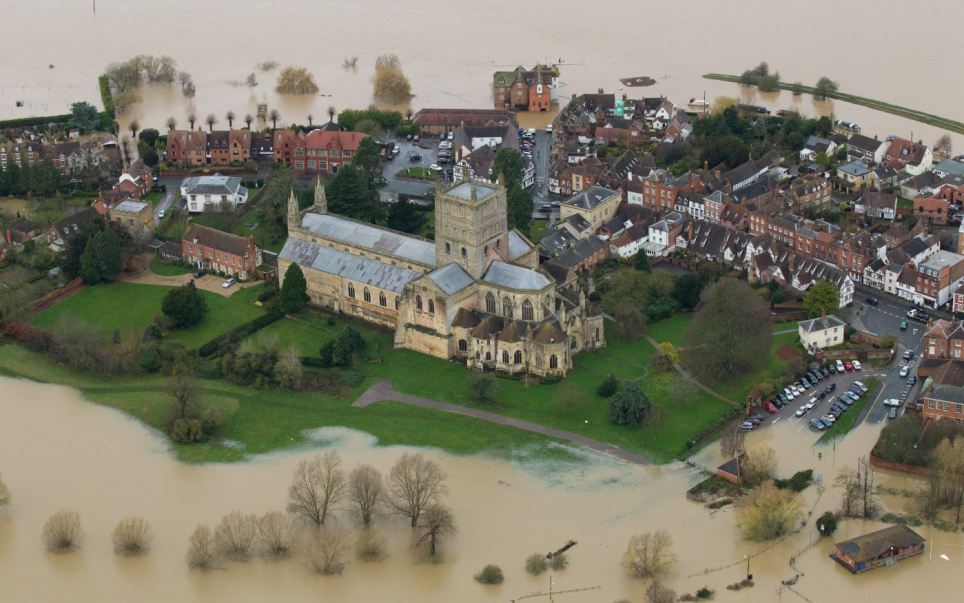
Gloucester was the king’s city, and I think the inhabitants must have flocked to the abbey and every other available church to get on their knees and pray the Severn stayed nice and high, even though it flooded the lower parts of the town. Nice and high at nearby Tewkesbury as well, because that was the next crossing, and was ticklishly close to Gloucester.
Neither town wanted to be caught up in Buckingham’s antics. They probably took to their knees again, this time in praise, when it was known Buckingham had been captured and executed, because their first prayers had been answered! The danger was past.
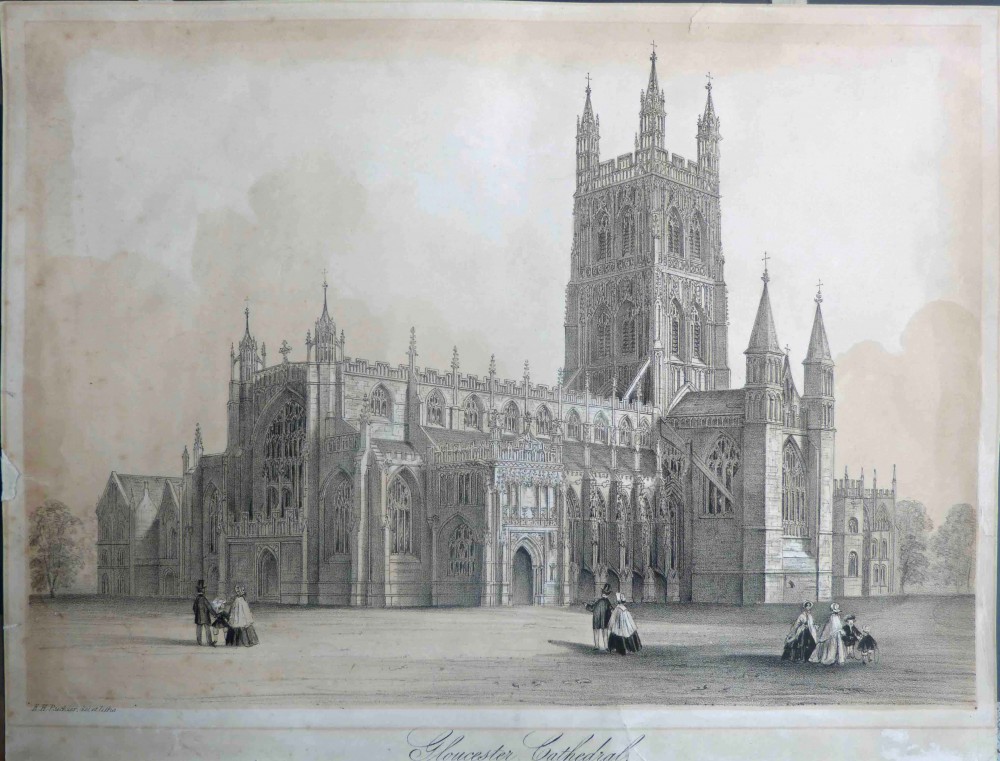
Oh dear, there they were on 28th October 1483, on their knees while the autumn rain came down in stair rods…fast forward 484 years, still in Gloucester, and there I am, on my knees in a church on my wedding day while the autumn rain came down in stair rods. Yes indeed, and guess what? The Severn was in flood then too! The autumn of 1967 was as bad as the one in 1483.
Not that my marriage proved as disastrous as the duke’s uprising! It lasted until my husband Rob passed away in 2015.


 The New Murrey and Blue blog
Leave a reply to viscountessw Cancel reply