The following quote is an interesting glimpse of Richard Neville, Earl of Warwick, the “Kingmaker”, in the spring of 1470, when it was prudent for him to leave England for a while. It is taken from Devon, its Moorlands, Streams & Coasts by Lady Rosalind Northcote, published 1908 by Chatto & Windus.. See here :-
“….In 1470 Dartmouth was a step in the retreat of Warwick, ‘the King-maker,’ when Edward IV pursued him as far as Exeter. Warwick embarked here for France, and his arrival in those unsettled times must have created much bustle and excitement amongst all the gossips of the place. The Earl was ‘in danger of being surprized, whereupon leisurely (for his great spirit disdained anything that should look like a Flight) he retired to Exeter, where having dismissed the Remainder of the troops that attended him, he went to Dartmouth, and there, with many ladies in his company and a large Retinue, he took ship and sailed directly to Calais’….”
The ladies, of course, included Warwick’s heavily pregnant elder daughter, Isabel, wife of George, Duke of Clarence. Stormy weather was to keep the ship she was in from entering Calais, and tragically, on 17th April, she went into labour and lost the baby.
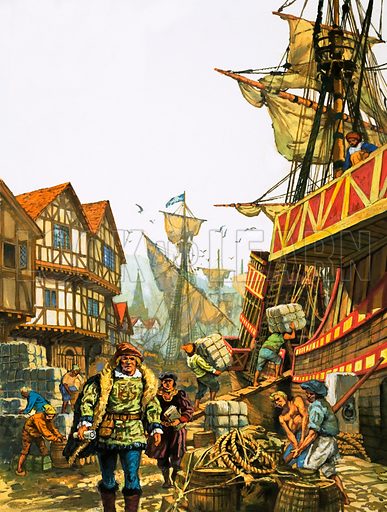
But, before that sad outcome, what was Dartmouth like when Warwick was there? (Some sources claim he sailed from Exeter, but Dartmouth seems more likely to me.) Well, the town had a castle, that’s for certain. Dartmouth grew where the River Dart empties into the English Channel, and was a thriving port and safe harbour.
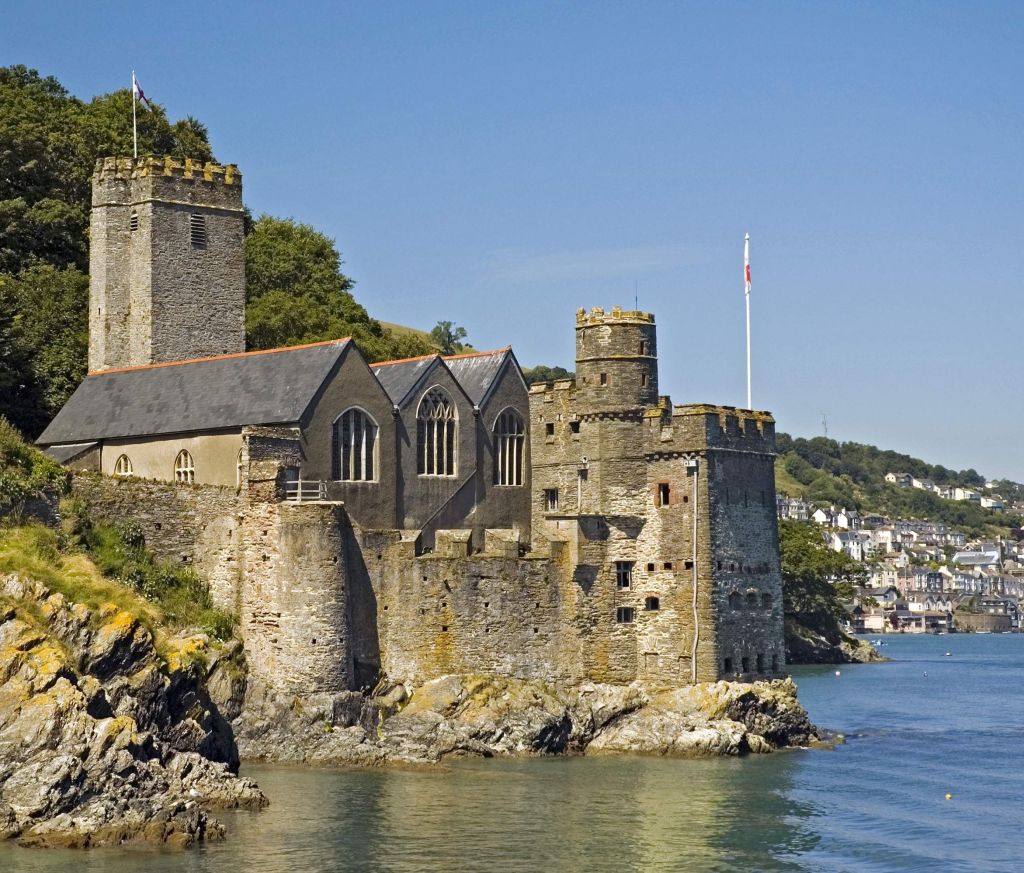
In 1388, French raids during the Hundred Years War had led to the commencement of a castle. In this year Richard II commanded the mayor of Dartmouth, the privateer and merchant, John Hawley, to oblige the citizens to provide a “fortalice”. For much more information about Hawley, look here. Incidentally, Merriam-Webster claims fortalice to be a 15th-century word. Clearly that’s not so. It’s 14th century at the very least.
Then, according to English Heritage :-
“In 1462 Edward IV awarded them [townsmen] £30 annually for 20 years towards the cost of Dartmouth’s defences, including the laying of a massive iron chain across the River Dart to stop marauding ships getting through. But it was almost 20 years before work began on a new tower and a bulwark, or strongpoint, purpose-built for artillery. In 1486 Henry VII demanded completion of the gun tower ‘with all godly haste’.
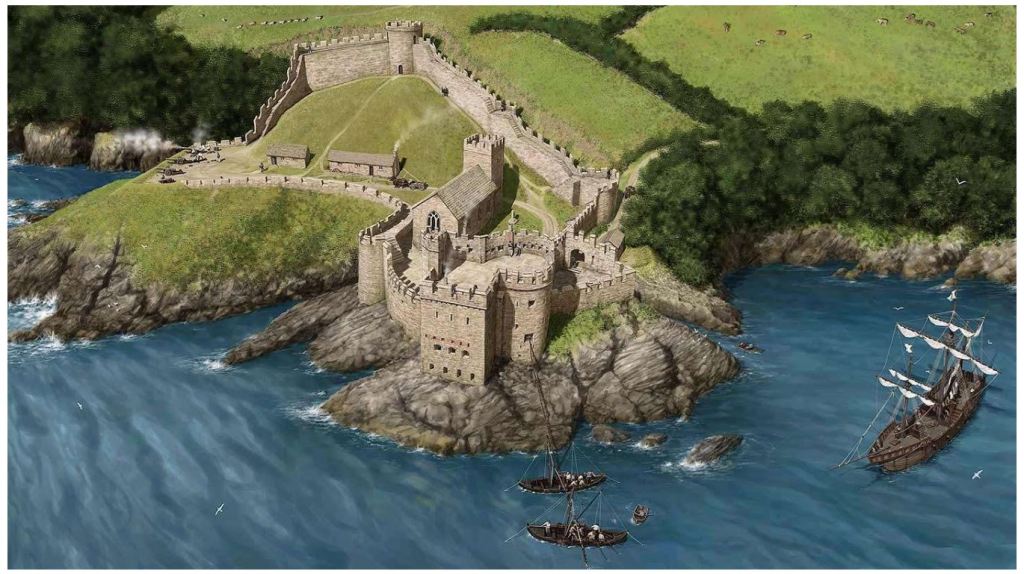

“The defences were eventually completed around 1493, and the gun tower became the heart of Dartmouth Castle. It contained the winding mechanism for the river chain, which was secured close to a defensive tower at Godmerock on the opposite bank.”

Well, marauding ships may have been kept out, but if a chain was operating in 1470 (as distinct from the eventual gun tower mechanism), it didn’t stop Warwick from getting in! Who in his right mind at Dartmouth Castle would raise a chain of any sort in the face of a great lord of Warwick’s power and reputation? The better part of valour, and all that….
So, chain or not, away the Kingmaker went! He’d return to England again on 13th September, landing at Dartmouth, and then meet his end at the Battle of Barnet on 14th April, 1471, almost exactly a year after his daughter lost her baby in a ship off Calais.
I have written more about the medieval history of Dartmouth. See https://murreyandblue.wordpress.com/2014/11/08/a-little-of-the-history-of-dartmouth-in-devon/
 The New Murrey and Blue blog
Leave a reply to More Secret Marriages! – murreyandblue Cancel reply