This (below) is Shotover Park in Oxfordshire, formerly part of the Wychwood royal hunting forest. It becam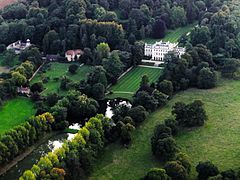 e the property of one Timothy Tyrrell in 1613, the year after the death of Henry Stuart, Prince of Wales, whom Tyrrell had served as Master of the Royal Buckhounds. Tyrrell was further honoured with a knighthood in 1624 and his grandson James built the current House, a listed building, on the site in 1714-5.
Stuart Oxfordshire was not Yorkist Suffolk, Prince Henry was not Richard III and buckhounds are not horses. Nevertheless, Sir Timothy was serving the Crown in a very similar role to that of his namesake and it is not surprising that readers will wonder whether he was related to Sir James through a different branch of the family, as a direct descendant or not at all. In a similar case, we showed “Robin” Catesby to be descended from William.
We can take a few clues from Sir James’ life and career. He was born into a Lancastrian family in about 1455 at Gipping  Hall, near Stowmarket, and was appointed Master of Horse in 1483. In 1485, he became Governor of Guisnes and may have transported the “Princes” to the continent en route to taking up this position – in which case they could have resided at Gipping Hall for a short while. Gipping Chapel (left) still stands. In 1502, he was arrested for helping the fugitive Earl of Suffolk and tried at the London Guildhall for this alone. Starkey has shown that Henry VII and Elizabeth of York watched it at the Tower, presumably live on television, including Tyrrell’s murder confession which nobody mentioned until More wrote some years after Henry’s death – see Leas’ article.
In other words, this Tyrrell was associated with the sons of a King, as Sir Timothy was to be. Sir James’ family was also associated with Great Wenham near Capel St. Mary and benefitted when his 1504 attainder was reversed only three years later. He had three sons and a daughter, of whom at least three survived him.

 The New Murrey and Blue blog
Leave a comment