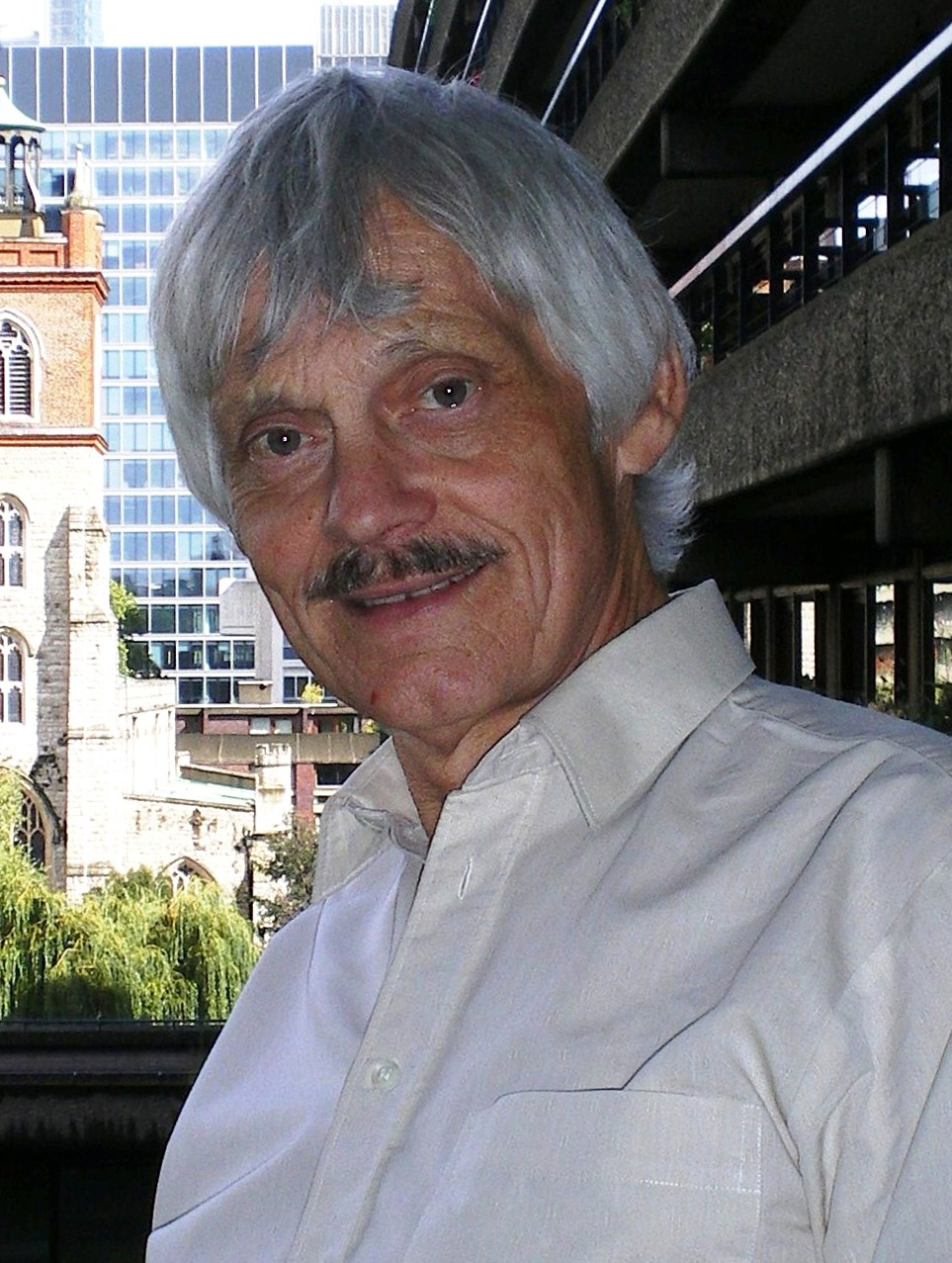
John Ashdown-Hill

http://www.chelmsfordweeklynews.co.uk/news/colchester/14304947.Top_Five_picks_for_this_year_s_Essex_Book_Festival/

For those who can get to Wivenhoe Library on March 2, one of the picks is John Ashdown-Hill’s The Mythology of Richard III:-

John Ashdown-Hill: The Mythology of Richard III, Wivenhoe Library, High Street, Wivenhoe, Wednesday, March 2, 7pm. £7, £5 concessions. THE Essex-based historian was one those responsible for finding the lost remains of Richard III under a Leicester car park in 2012. In his latest book he unravels the web of myths of a king who according to Shakespeare was a hunchback tyrant that killed his own nephews.the web of myths of a king who according to Shakespeare was a hunchback tyrant that killed his own nephews.


Subscribe to my newsletter

  1. Text looks as if a phrase was pasted in several times — you might want to look at it.

    Liked by 1 person

    1. Thank you, Ann. I’ve fixed it.

      Like

  2. […] a pity John Ashdown-Hill doesn’t get the mention he so fully […]

    Like

  3. […] if the archaeologists of the day were digging in the right spot,remembering that many, until John Ashdown-Hill correctly identified the church’s position, had mistaken the actual alignment of the […]

    Like

  4. […] being a ‘grete bylder’ and nothing at all to suggest he was an alcoholic.  The late historian John Ashdown-Hill wrote in his biography of George that the myth  he was an alcoholic was spawned from the belief […]

    Like

  5. […] has been argued before, especially by the late John Ashdown-Hill, that Richard’s sleepless nights and so-called ghastly appearance before Bosworth were caused by […]

    Like

  6. […] This excellent documentary was featured on Channel Four during March. It told of Wales’ existence as a Kingdom before the Normans arrived and sought to reinforce their borders and the last Principality was suppressed about a year before the future Edward II was born at his father’s greatest military outpost at Caernarfon. It discussed the absence of the Princes of Wales during the sixteenth century, although apart from three they died in infancy, as well as the assumption of the white and green banner background despite Edmund “Tudor”‘s dubious descent, as exposed by John Ashdown-Hill. […]

    Like

Leave a reply to A Royal guide to … Wales – murreyandblue Cancel reply