
I have enjoyed reading the books of Richard Unwin about Richard III from the point of view of Laurence the Armourer and was intrigued by his theory that William Stanley was not a traitor, or at least not in the way we might think.
Think about the battle – William Stanley and his men are off to one side, watching the proceedings. He has already been declared a traitor by Richard, so he obviously must be hoping for a victory for Henry or he can look forward to a nasty end. Presumably, Richard’s loyal household knights also know this and are expecting him to turn traitor to his king by supporting Henry.
Then Richard does his dramatic and courageous charge – Stanley sees him and his men getting right into the enemy’s midst and killing many of them. He might or might not have been close enough to see John Cheney, Henry’s giant bodyguard, unhorsed by Richard but he must have seen Henry’s standard fall when Richard killed his standard bearer, William Brandon. Put yourself in his shoes. We know the Stanleys were notorious for changing sides when it suited them. Wouldn’t this be the perfect time to charge in on Richard’s side in the hope of avoiding being executed after the battle? But Richard’s men would have thought that he was coming in on Henry’s side, because of his already being attainted for treason and this could have caused the two forces to fight amongst themselves. We know this could happen, as it had done at Barnet when the Star banner of Oxford was mistaken for the Sun in Splendour banner of Edward in the fog.
It sounds plausible to me. What do you think?
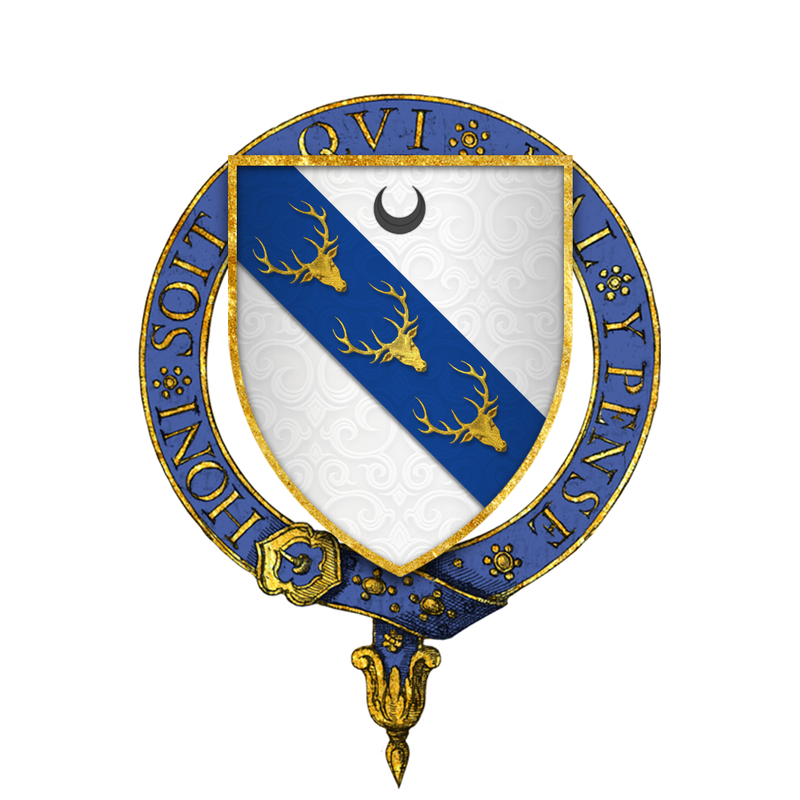
“Coat of arms of Sir William Stanley, KG” by Rs-nourse – Own work. Licensed under CC BY-SA 3.0 via Wikimedia Commons – https://commons.wikimedia.org/wiki/File:Coat_of_arms_of_Sir_William_Stanley,_KG.png#/media/File:Coat_of_arms_of_Sir_William_Stanley,_KG.png


 The New Murrey and Blue blog

Leave a comment