With permission of Kim Harding
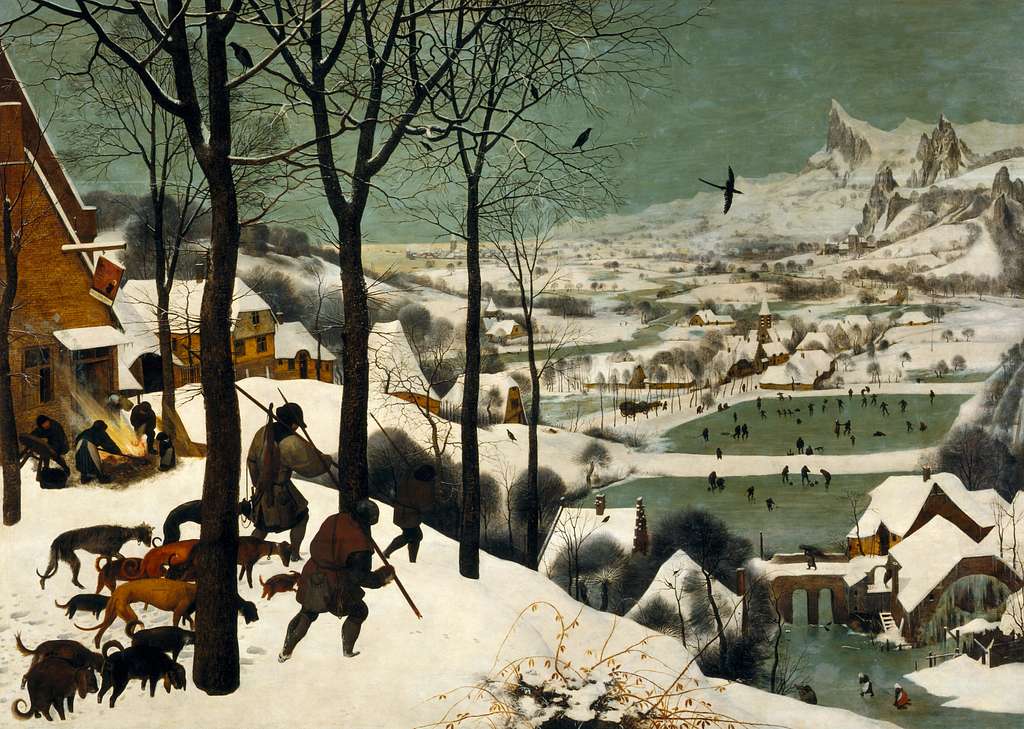
A last-minute change of speaker meant the frosty weather chimed perfectly with Kim Harding’s talk on ‘Medieval Winter’ on Monday 18th November 2025. Our centrally-heated homes and internet-driven prep for Xmas can’t compare to the hardships endured by medieval folk: a poor harvest, limited food storage and bitter cold meant gruelling labour and near-starvation. Books of Hours show harvesting, the butchering of animals, and gathering fuel in winter months. All produce – fodder, fuel, wool, meat and food – was processed to avoid straining energies in a time of low sustenance, and any surplus was preserved. Veg, herbs, fruit and grains were the staples, with meat largely the preserve of the wealthy, resulting in an imbalanced diet and health-impacting conditions like scurvy. The cold and damp and smoky fires would exacerbate seasonal illnesses. Medieval art shows folk warming their feet at the hearth and walking dogs in deep snow.
40 days of fasting ran from St Martin’s (11th Nov) until Christmas when peasants paid their quarterly rent to the local lord. As the light decreased, common entertainments were dice, music, dancing and story-telling; also, mummers going door-to-door, not so different from carol-singers today, or even a football match against the next village. However, not all winter pastimes were indoors: children built giant snow castles and played Capture the Flag. January calendars show skating, sledging, sleigh rides (complete with jingle bells) and ball games taking place on frozen rivers, and even grand lords and ladies snowballing! The wealthy would of course engage in bear, stag or boar hunting for sport as well as provisioning.
On the feast of St Nicholas (Dec 6th) a cathedral chorister was elected to be Boy Bishop, spending the month offering blessings and singing in exchange for gifts. The peasantry, gentry and nobility (and churches too) would deck their rooms with greenery and holly. Wassail – a hot mulled cider toast of ‘good health’ – would be recited to apple orchards to promote a good harvest or dispensed to those singing carols.
The Yule log was the largest log that could fit a fireplace, brought inside on Christmas Eve and burnt across the twelve days until the evening of Twelfth Night. The nobility celebrated for longer, even until the 2nd February, and the royal court would showcase wild boar, a twelve-bird roast or even peacock. Christmas ‘sotelties‘ of wax, pastry or sugarcraft depicted Christmas characters, and gingerbread was popular (Barnard Castle’s was renowned). Our mince pie probably originated from the return of Crusaders, bringing Middle East traditions of cooking meat with spices and fruit: three spices (cinnamon, cloves and nutmeg) represented the three gifts of the Kings. The royal court would lay on acrobats, jugglers, musicians and mummers or dog fights and the occasional joust.
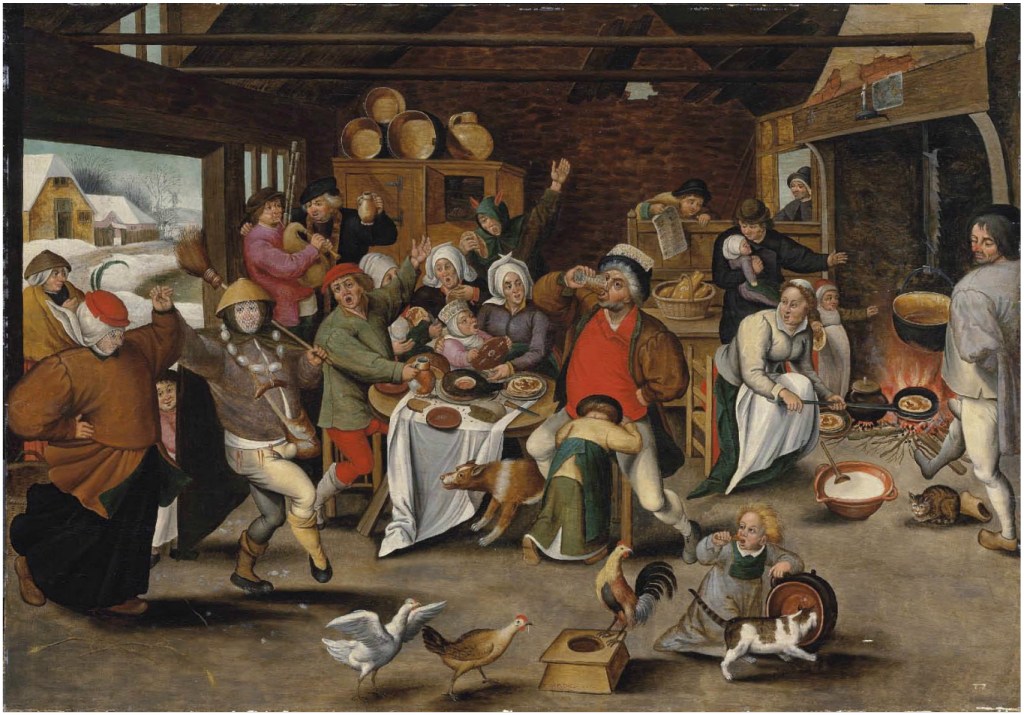
Another tradition subverting the feudal order was the Feast of Fools on Twelfth Night, which promoted a temporary release from the strict hierarchies of society. Woodcuts by Breughel and Bosch show the sort of sordid shenanigans that went on! Epiphany recalled the visit of the Magi, so gifts would be exchanged and a Twelfth Night cake incorporating a bean or token (now our Christmas cake silver sixpence) created the finder the King or Queen of Misrule, host or hostess for the evening’s entertainments (origin also of our crown-shaped hats in crackers). With dozens of inspiring images, Kim Harding’s talk reminded us of the good fortune and comforts of C21st homes and shops!
 The New Murrey and Blue blog
Leave a comment