York Minster
-
Edward of Middleham: the prince of Richard III
Anne Idley, Anne Neville, burial mystery, Charles Ross, Coronation, Coverham Abbey, Crowland Chronicle, dispensations, Duke of Cornwall, Earl of Chester, Earl of Salisbury, Edward of Middleham, George Duke of Clarence, investiture, Isabel Burgh, Isabel Neville, Jervaulx Abbey, Lord Lieutenant of Ireland, Middleham, Nevilles, Nottingham, portrait, Prince of Wales, Prince’s Tower Middleham, Richard III, Sheriff Hutton, St. Alkelda’s, stained glass, York MinsterEdward of York, better known as Edward of Middleham, was the only legitimate son of King Richard III and his Queen, Anne Neville. Edward was thought to have been born in Middleham Castle in December 1473, but this date is not certain. The historian Charles Ross wrote that this date “lacks authority” and was…
-
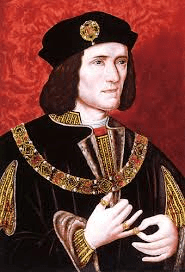
Here is an interesting article on York Minster with some stunning photographs. My Ricardian friends will find it easy to picture King Richard, Queen Anne and their small son, Edward, emerging through the massive doorway and pausing for a short while on the steps, following the glorious ceremony where Edward was invested as Prince of…
-
Originally posted on Giaconda's Blog: The Viking settlement at Jorvik, modern day York, is the largest excavated Viking site in England. Jorvik was an important trading centre due to its river links along the Ouse to the Humber estuary and North Sea and also an important political centre, the largest of the of the six fortified…
-
I am nearly finished writing my first novel (about Richard of course!) and there is a section where the question “What if Richard III had won the battle of Bosworth?” is asked. We know that he nearly reached Henry ‘Tudor’ and so it isn’t too farfetched to imagine the result if he had killed Henry.…
-
Here (with the prospect of York Minister through the window) is a composite picture of Richard III’s queen, Anne Neville, who died in 1485, not long after their son died too. Richard was left alone, facing the gathering storm of invasion by Henry Tudor. The original illustration (also above), much tweaked, is of Mary of Burgundy (whose…
 The New Murrey and Blue blog