Witangemot
-
Richard III and Harold II
“Lambert Simnel”, “Perkin”, Anne Neville, Archibald Whitelaw, bastardy, Battle of Bosworth, Battle of Hastings, Bishop’s Stortford, Bosham, burial mystery, Constable of England, coronations, Earl of Wessex, Edgar the Atheling, Edith Swan Neck, Edward V, exile, George Duke of Clarence, Godwin Earl of Wessex, Gruffydd ap Llewellyn, Harold Hardrada, Harold II, Henry VII, Lord Protector of the Realm, marriage, more Danico, Nevilles, Orderic Vitalis, propaganda, Richard Duke of York, scoliosis, Scotland, St. Edward the Confessor, Stamford Bridge, Tostig, Wales, Waltham Abbey, William I, WitangemotWe all know that Richard is directly descended from William the Conqueror, who is his eleven times great grandfather. Here is Richard’s pedigree to William in three parts – follow the yellow dots left to right. (N.B. the first few generations have the yellow combined with red and blue which lead to other ancestors). But…
-
Edgar the Aetheling: Failure or Survivor?
“Perkin”, anniversaries, Battle of Hastings, Denmark, Edgar the Atheling, Edward the Exile, Edward V, exiles, Harold II, House of Wessex, Hungary, Malcolm III, Margaret of Wessex, Normandy, Normans, Norway, Richard of Shrewsbury, Scotland, St. Edward the Confessor, Stigand, Wallingford, Westminster Abbey, William I, Witangemot, youth
Originally posted on Giaconda's Blog: You could argue that Edgar was set up to fail from the start. As the last male heir of the ancient royal House of Cerdic of Wessex; Edgar had the bloodline but little else to support his claim to the English throne when his great uncle, Edward the Confessor, died…
-
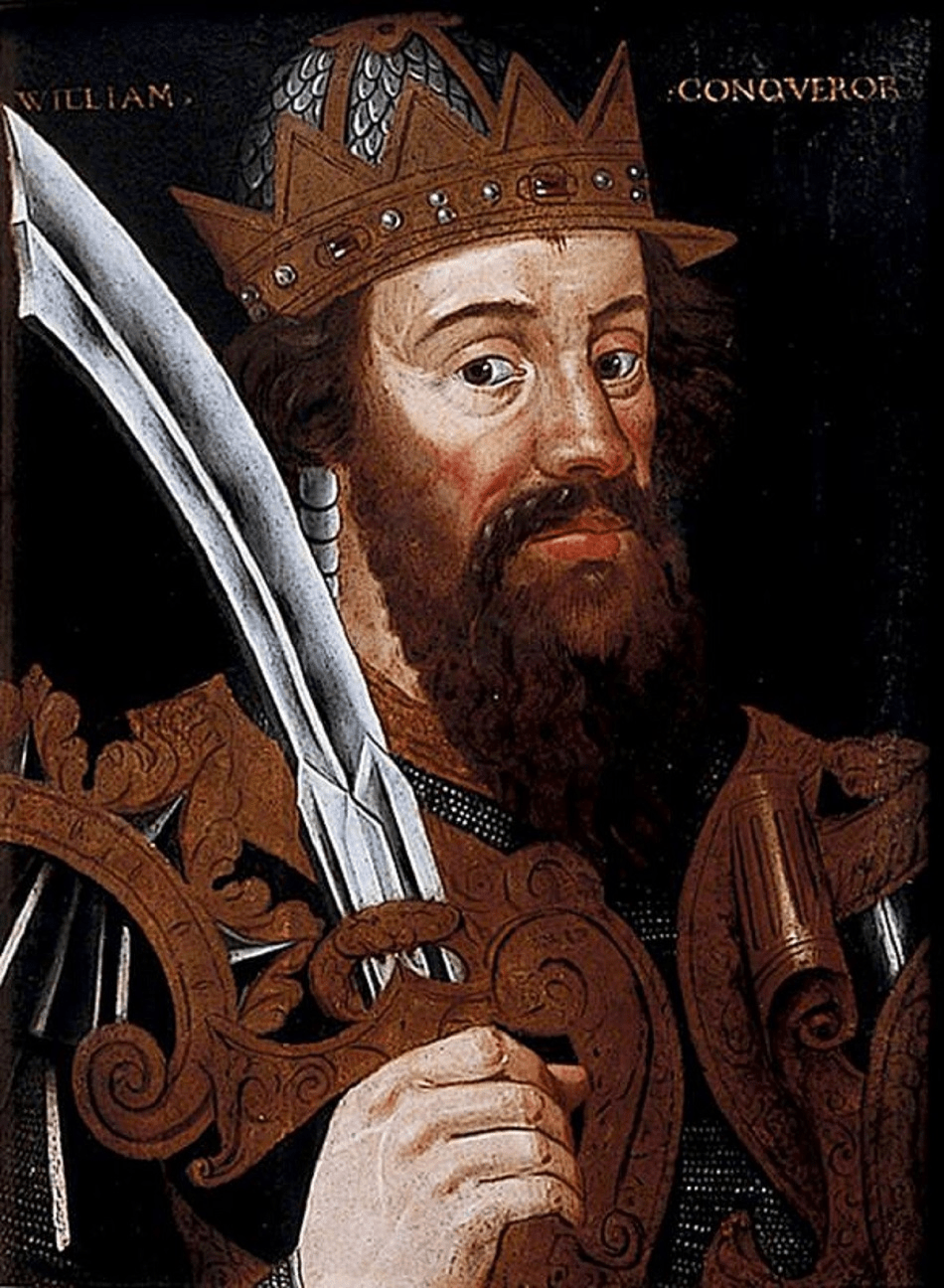
For some years I have set my novels in the last years of Plantagenet reign, or the first years of the Tudor dynasty. William the Conqueror Many authors of historical fiction prefer to set their books in the Georgian or Regency periods, but tor me the Plantagenet dynasty was one of the most interesting…
-
The Problem with ‘Usurpation’ (re-blogged from http://www.annettecarson.co.uk/357052370)
Annette Carson, Chrimes, Edmund Mortimer, Edward II, Henry I, Henry III, Henry IV, Henry VI, Innocent III, John, John Locke, Magna Carta, Matilda, Parliament, primogeniture, Richard Duke of York, Richard II, Rolls of Parliament, Stephen, treason, tyranny, Westminster Hall, William Marshall, WitangemotWith my long-standing interest in treason and usurpation, I was fascinated to see the video of the mock trial of the Magna Carta barons staged in the wonderful surroundings of Westminster Hall on 31 July 2015.* I use the term ‘Magna Carta barons’ loosely, and indeed the trial itself could address only one arbitrary, early…
-
What makes a good medieval king?
Charter of Liberties, Coronation, Coronation Oath, divine right, dynastic succession, Edgar the Peaceable, Edward II, Edward III, Henry I, Henry VI, Ian Mortimer, Kathryn Warner, kingship, Magna Carta, Mel Gibson, Order of the Garter, Richard II, Richard III, Round Table, Three Estates, William I, WitangemotIntroduction Why is Edward 1 considered a great king? That is a question that has haunted me ever since I fluffed it in an O level’ exam more than fifty summers ago. My answer proved that a good memory is better than thinking it would be all right on the day. By chance, I recently…
-
I would recommend Mercedes Rochelle’s post here http://mercedesrochelle.com/wordpress/?p=719 : a discussion of Harold II’s possible remains. Just to emphasise a few points: 1) “forensic evidence in the 1950s was not exacting” – it wasn’t in the 1930s either, as we know. 2) Richard III is unquestionably the template for such cases. First, find your location.…
 The New Murrey and Blue blog