William I
-
http://www.english-heritage.org.uk/learn/1066-and-the-norman-conquest/how-to-organise-a-norman-invasion-fleet/ {particularly when you are coming from France with a few thousand mercenaries and no lineal claim to the English throne}
-
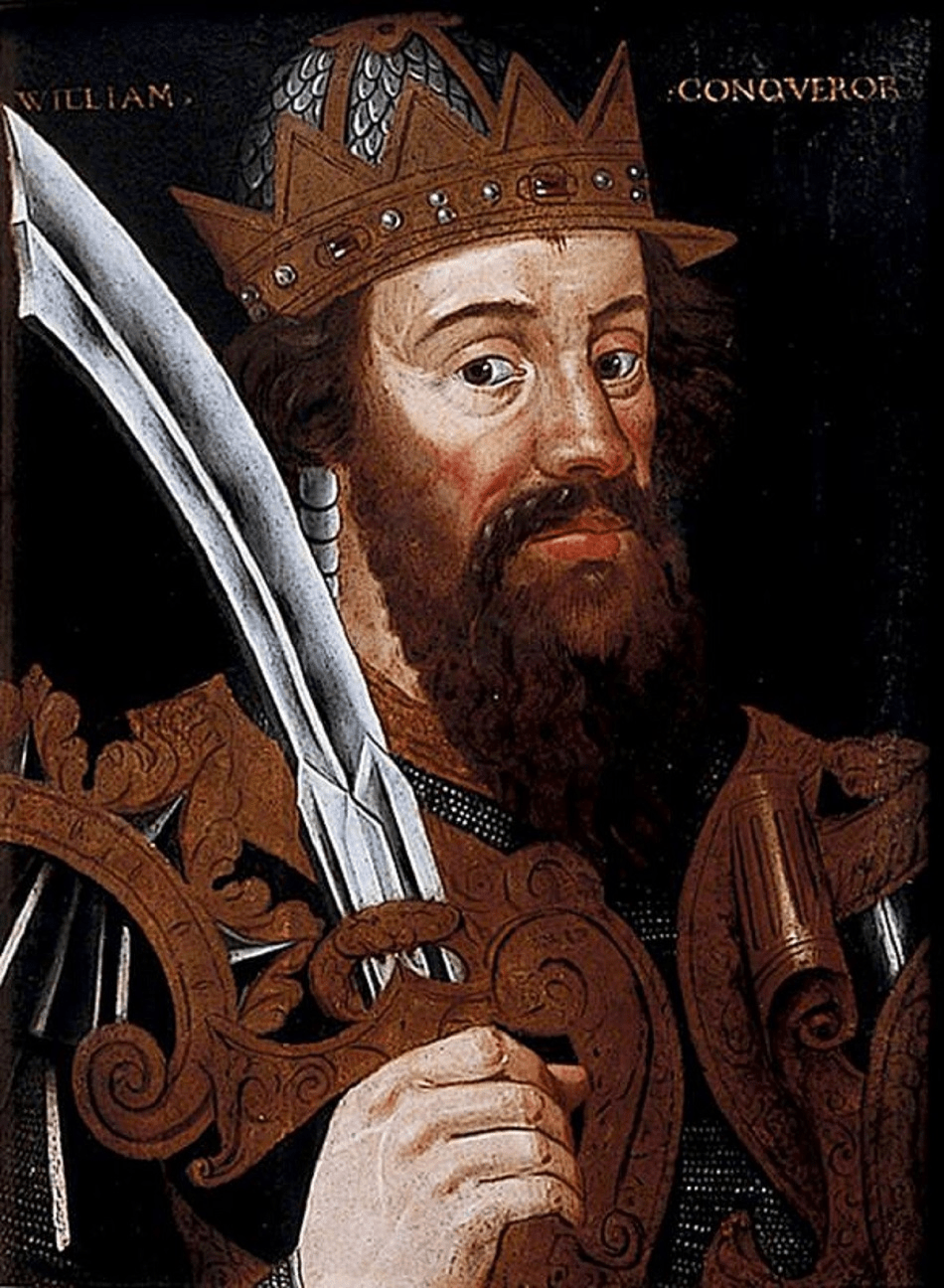
For some years I have set my novels in the last years of Plantagenet reign, or the first years of the Tudor dynasty. William the Conqueror Many authors of historical fiction prefer to set their books in the Georgian or Regency periods, but tor me the Plantagenet dynasty was one of the most interesting…
-
Amidst the spreading Oaks of the New Forest stands a solitary stone, once ten foot high with a ball on top, now truncated and protected from vandals. Known as the Rufus Stone, it is the memorial to a slain king, William II, one of England’s most mysterious and little known Norman Kings. On the stone,…
-
An argument has arisen for and against using vellum for recording our laws, as stored on the amazingly full shelves of the Act Room. Paper is indeed more perishable. Just imagine having the Magna Carta on paper! How insignificant it would appear. Not insignificant in content, of course, but all the same… I have seen…
-
The office of Lord Chancellor is one of the oldest of the Great Offices of State, second in rank only to the Lord High Steward. It dates from Herfast, the first Lord Chancellor of England, appointed in 1068 by King William I, Duke of Normandy. King Richard III had two Lord Chancellors, John Russell and…
-
Why lineage still matters in battle
“Beauforts”, “Tudors”, Battle of Bosworth, Blanche of Lancaster, Cnut, Earl of Oxford, Edmund Mortimer, Edward I, Edward IV, Edward VI, Emma of Normandy, Ethelred II, Hastings, Henry I, Henry IV, Henry V, Henry VI, Henry VII, House of York, James VII/II, Jane, Joan of Acre, Mary I, Matilda, Richard II, Richard III, Stephen, William I, William IIIThe crown of England, among others, has often been claimed in battle or by other forceful means. However, to exercise such a claim, it is necessary to persuade a challenger’s military followers that he has a dynastic claim of sorts, even when this is greatly exaggerated or totally spurious. Thus William I, the Conqueror or…
-
What makes a good medieval king?
Charter of Liberties, Coronation, Coronation Oath, divine right, dynastic succession, Edgar the Peaceable, Edward II, Edward III, Henry I, Henry VI, Ian Mortimer, Kathryn Warner, kingship, Magna Carta, Mel Gibson, Order of the Garter, Richard II, Richard III, Round Table, Three Estates, William I, WitangemotIntroduction Why is Edward 1 considered a great king? That is a question that has haunted me ever since I fluffed it in an O level’ exam more than fifty summers ago. My answer proved that a good memory is better than thinking it would be all right on the day. By chance, I recently…

