William Cecil
-
The Royals: A History of Scandals
adultery trials, Albert Victor Duke of Clarence, Amy Robsart, animal bones, annulments, Brighton Pavillion, Caroline of Brunswick, Catherine of Aragon, Charles V, Cleveland Street, coronations, corruption, Count Konigsmarck, disappearance, divorce, DNA evidence, Edward VII, Elizabeth I, Ernest Augustus Duke of Cumberland, extravagance, Frederick Duke of York, George I, George III, George IV, Germany, Group Captain Townsend, Hanoverians, Henry VIII, human remains, imprisonment, John Ashdown-Hill, Leine Castle, male brothels, Maria Smythe, More 4, Princess Margaret, Robert Dudley Earl of Leicester, Royal Marriage Secrets, Royal Marriages Act, royal mistresses, royal murder mysteries, Sophia Dorothea of Celle, Suzannah Lipscomb, Sweden, The Royals: A History of Scandals, valets, Victoria, William CecilThis is a four-part series on More4, presented by Suzannah Lipscomb and with a focus on the Hanoverian era. It started with financial scandals, such as George IV’s extravagance and his brother‘s mistress who sold army commissions. The second episode was about sexual scandals and rumours, such as Edward VII’s mistresses and the male brothel…
-
… was discovered this painting of people including William Cecil, Baron Burghley, senior adviser to Elizabeth I and father of Robert. The pub in question is the Star, a Wetherspoon in Hoddesdon formerly known as the Salisbury Arms (left, after Robert’s earldom), which was undergoing some internal restoration work.
-
Elizabeth Vernon, Countess of Southampton.
Constance of York, Diana Princess of Wales, Duke of Cambridge, Elizabeth I, Elizabeth Vere, Elizabeth Vernon, Essex rebellion, Henry Earl of Southampton, Henry IV, Humphrey of Gloucester, imprisonment, maids of honour, Margaret Audley, marriages, Robert Devereux Earl of Essex, Tower of London, William Cecil, Winston ChurchillElizabeth Vernon, who lived from 1572 to 1655, was a maid-of-honour to Queen Elizabeth I. In 1598, while serving in that capacity, she became pregnant by Henry Wriothesley, Earl of Southampton (1573-1624) who is perhaps best remembered as a patron of Shakespeare. Queen Elizabeth was not amused, and had the pair of them thrown in…
-
Leslau, Holbein, More and Clement
“Princes”, Dr. John Clement, Duchy of Lancaster, Edward VI, Elizabeth I, Erasmus, esses, Fleet prison, fleuur-de-lys, flowers, Germany, Hans Holbein, Henry Patterson, Henry VIII, infrared photography, Jack Leslau, John Dudley Duke of Northumberland, John Fisher, John Harris, jousting, Latin, Louvain, Matt Lewis, Mechelen, peonies, Pilgrimage of Grace, rebus, Richard III, Rowlandas Lockey, royal arms, Seneca, Sir Anthony Wingfield, Sir Edward Guildford, The Family of Thomas More, Thomas Cromwell, Thomas More, Thomas Wolsey, Tower of London, Utopia, William CecilBefore I begin, I have two words of warning. The first is that a huge spoiler for my novels Loyalty and the sequel Honour unavoidably follows. Just so that you know! Secondly, the following is my telling of the theory researched and expounded by Jack Leslau, an amateur art enthusiast who believed that he stumbled…
-
Medieval (sic) Murder Mysteries
“Princes”, “Tudor” propaganda, Alexander VI, Amy Robsart, Arthur of Brittany, Berkeley Castle, Berkeleys, Borgias, Brittany, Burgundy, cancer, Deptford, Edward II, Elizabeth I, espionage, Falaise Castle, falls, Garden Tower, Geoffrey of Brittany, heresy, John, Marlowe, mysteries, Orsini family, Oxfordshire, Papacy, Robert Dudley Earl of Leicester, Rome, Sir Walter Raleigh, Tiber, UKTV, William Cecil, yesterdayThis is a six-part series, first shown on “Yesterday” (a UKTV channel) in 2015 but is available to view on their website here. The producers used pathologists, coroners, historians, barristers and other writers to form their conclusions, some of which are more reliable than others. The first episode, which surely misses the mediaeval timescale, is…
-
BOOK REVIEW
“Perkin”, “Princes”, ambition, Archbishop Cranmer, Archbishop of Canterbury, attainder, Battle of Bosworth, Cardinal, Domenico Mancini, Edward IV, Edward of Lancaster, Edward V, Francis Bacon, Henry of Buckingham, Henry VI, Henry VII, illegitimacy, inheritance, James IV, John Morton, Lady Margaret Beaufort, Margaret Duchess of Burgundy, Master of the Rolls, Milanese Ambassador, Morton’s Fork, Polydore Vergil, rebellion, Richard III, Robert Cecil, Stuart Bradley, Tewkesbury, Thomas Cromwell, Thomas More, Thomas Wolsey, Titulus Regius, Towton, William Cecil, William Lord Hastings, WydevillesStuart Bradley – JOHN MORTON: adversary of Richard III, power behind the Tudors (Amberley 2019) John Morton served the English crown for a almost forty years during one of the most turbulent periods in English history. He wielded considerable influence at the courts of three kings. First, in the Lancastrian household of Henry VI:…
-
Uncle Richard?
“Princes”, art, Battle of Bosworth, Cecily Neville, Charles II, Civil War, Danny Dyer, David Garrick, Earl of Northumberland, Elizabeth Tyrrell, Elizabeth Wydeville, Frances Wray, genealogy, George Neville, Gipping Chapel, Henry of Buckingham, Joan Haute, John Neville Marquis of Montagu, John of Gaunt, Katherine Haute, Lady Margaret Beaufort, Margaret of Salisbury, Percies, Richard III, Richard of Warwick, Richard Woodville, Robert Cecil, Shakespeare, Sir Henry Vane, Sir James Tyrrell, Stowmarket, Thomas Snellgrove, William Brandon, William Cecil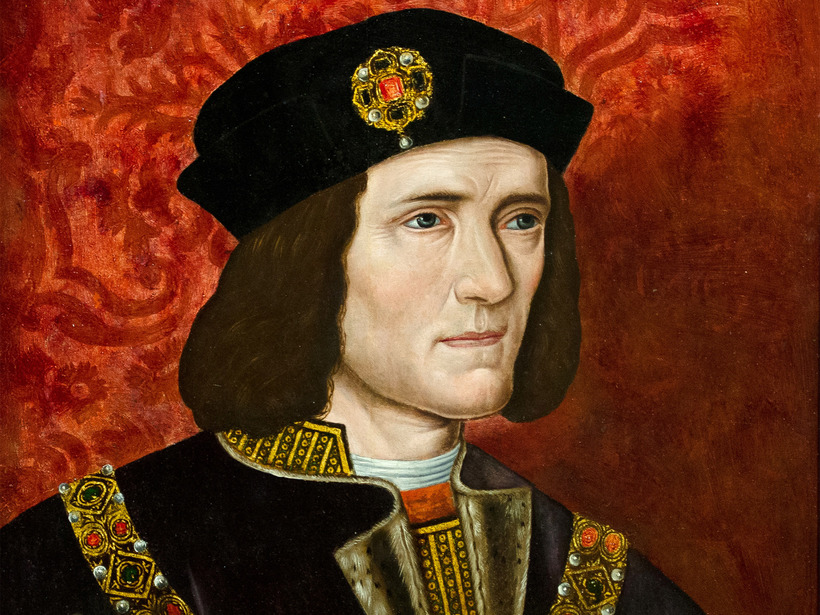
A long time ago, I posted a short article about one of my ancestors, Thomas Snellgrove, who was a portrait artist and painted an actor portraying Richard III. Here is the link. I have been researching my family history for over thirty years and it used to be a very slow and painstaking process. The…
-
THE MALIGNED RICARDIANS
“Princes”, “Tudors”, Anthony Woodville, Charles II, Earl of Essex, Earl of Southampton, Elizabeth I, Elizabeth Lucy, forced loans, George Buck, Henry VI, Horace Walpole, Ireland, James VI/I, John Morton, Kincaid, Magna Carta, Mary I, Netherlands, Norfolk, Orford, Phillip II, Privy Chamber, Ralph Shaa, recusants, Richard III, Robert Cecil, Seneca, ship money, Sir Henry Neville, Sir Thomas Grey, Sir William Cornwallis, Slobodan Milosevic, Spain, The Encomium of Richard III, Thomas More, War, William CecilPart 1 – Sir William Cornwallis the younger “ His virtues I have sought to revive, his vices to excuse” (The Encomium of Richard III, Sir William Cornwallis) It is conceivable that historians do not take the early revisionist histories of king Richard III seriously owing to an assumption that the authors were not themselves…
 The New Murrey and Blue blog