Wars of the Roses
-
Anne Herbert Countess of Pembroke, Yorkist widow & mother in law to Katherine Plantagenet
Anne Devereux, Azincourt, Dafydd Gam, Earl of Northumberland, Earls of Pembroke, Edgecote Moor, executions, France, Henry V, Henry VI, Henry VII, John Lydgate, Katherine Plantagenet, Mary Wydeville, Maud Herbert, ODNB, Raglan Castle, Ralph Griffiths, Richard Duke of York, Sir Richard Herbert, St. James Garlickhythe, T.B. Pugh, Tintern Abbey, Troy Book, Wars of the Roses, widows, William Herbert Earl of PembrokeReblogged from sparkypus.com A Medieval Potpourri Anne Devereux, John Lydgate’s Troy Book and Siege of Thebes @British Library Well that old wheel of fortune could certainly whizz around and no more so than in the lives of the noble women from the turbulent times we now know as the Wars of the Roses. An example…
-
560 years ago there was an important battle of the Wars of the Roses, the Battle of Wakefield, which was fought before Sandal Castle. The Lancastrians won, and Duke of York and one of his sons, Edmund, Earl of Rutland were killed. A very dark time for the House of York. But it wasn’t…
-
Fifteen miles downstream of Exeter, Powderham Castle faces over the estuary of the River Exe, having originally risen “from the ashes of the Great Plague, but that wouldn’t be its last brush with adversity”. At the beginning it was a true castle, set in 50,000 acres. Alas, after weathering wars, sieges and other troubles, it has…
-
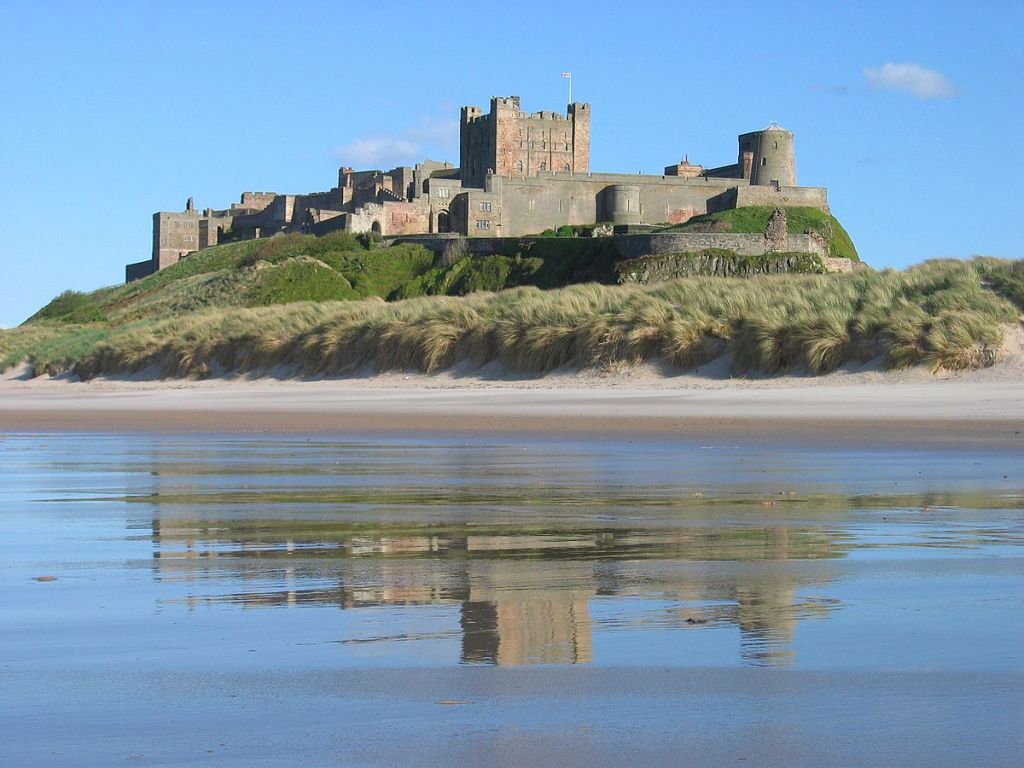
Bamburgh Castle is a site with a long, frequently dramatic history. A wooden Saxon fortress built by Ida the Flame-bearer, a place frequented by saints such as Oswald and Aidan, a seemingly impregnable fortress attacked by William Rufus with his siege castle ‘Evil Neighbour’, and the first English castle to fall to cannon-fire, when Warwick…
-
The Earliest Roots of the Wars of the Roses: Edward II and Thomas of Lancaster?
Bannockburn. Boroughbridge, Blanche of Lancaster, Boniface IX, canonisation, Chris Given-Wilson, cults, Despencers, Dukes of Lancaster, earls, Edmund of Langley, Edward II, executions, Henry IV, Henry of Lancaster, Ireland, John of Gaunt, miracles, Piers Gaveston, Pontefract Castle, popes, Richard II, Shrewsbury Parliament, Thomas Despenser, Thomas Mowbray Earl of Norfolk, Thomas of Lancaster, Waltheof, Wars of the RosesIt may seem bizarre to go back to the reign of Edward II (reigned 1307-27) when talking about the Wars of the Roses, but bear with me. Edward and his cousin, Thomas Earl of Lancaster, got on together quite well in the early years of Edward’s reign. Gradually, though, a feud between them grew…
-
Tudorites are always very keen to claim the introduction of the Renaissance to England as their territory. Anyone who went before the blessed Henry VII had nothing whatsoever to do with it. Right? No, very wrong. Lady and gentlemen, I give you the Wilton Diptych (see here and also this video), which was created for…
-
Yet again we have Matt Lewis to thank for pointing out the error of journalistic and other writers’ ways. There are some bloopers in this Express piece but Matt sorts them out with good, plain, beautifully written English. Job done. Excellent.
-
Were the Wars of The Roses an Inevitability?
Battle of Shrewsbury, Black Death, Blore Heath, Chris Given-Wilson, Duchy of Aquitaine, Earl of Warwick, Edmund Mortimer, Elizabeth I, France, Henry II, Henry IV, Henry V, Henry VI, John of Gaunt, Lancastrian propaganda, legal fees, Lordship of Brecon, Mary de Bohun, Pastons, Richard Duke of York, Richard II, Richard of Warwick, Thomas of woodstock, Wars of the Roses, WylieIn my spare time I have been reading Henry IV by Chris Given-Wilson. It’s a massive book, full of information, probably the most complete work on Henry since Wylie’s four-volume effort in the 19th Century. Frankly, I’m finding it hard going. Not because it’s a bad book (it isn’t) or because Given-Wilson is a bad…
-
THE MEDIEVAL FREE COMPANY AT BUCKLAND ABBEY AUGUST 2015 On a Bank Holiday Monday, 31st August 2015, I visited Buckland Abbey near Plymouth where a Wars of the Roses re-enactment group who call themselves The Medieval Free Company had set up their encampment. Buckland Abbey is a National Trust property which was founded by Cistercian…

