Tower of London
-
Now then, I think the Tower of London ought to have a quiet word with Westminster Abbey, because if the boys’ remains have never been found – what’s in That Urn? And by the time they supposedly disappeared, Richard was King, not merely Duke of Gloucester. “…One of the Tower’s greatest mysteries is the lost…
-
This is Stratford Johns, who featured heavily in Z-Cars and Softly, Softly. In spring 1976, with his co-star Frank Windsor, their characters appeared in Second Verdict, investigating six mysteries, of which the “Princes” were the second. It should be possible to locate a recording of this programme.
-
The King’s bishop? What did John Russell know in 1483?
“Beauforts”, “Princes”, “Tudor” propaganda, AJ Pollard, Alison Hanham, Armstrong, Battle of Bosworth, Bishops, British Library, Chancery Court, Charles Ross, conspiracies, Crowland Chronicle, Dr. John Argentine, Earl of Northumberland, Edward IV, Francis Lovell, George Cely, Great Seal, Harleian Manuscript 433, Henry of Buckingham, Henry VII, Hicks, illegitimacy, Jane Shore, John Howard Duke of Norfolk, John Morton, John Russell, John Shirwood, John Smith, John Stow, judiciary, Lady Eleanor Talbot, Lady Margaret Beaufort, letters, Lincoln, Louise Gill, Ludgate, Mancini, Minster Lovell, More, oyer and terminer, Pamela Tudor-Craig, Paul Murray Kendall, Peter Hammond, regicide?, Richard III, Robert Russe, Robert Stillington, Rosemary Horrox, Royal Household, Sherlock Holmes, Simon Stallworth, Sir Anthony Wydeville, Sir William Stonor, Stephen Ireland, theories, Thomas Langton, Thomas Lynom, Titulus Regius, Tower of London, treason, Vatican City, Viscount Welles, Westminster Abbey, William Davey, Wydevilles“ ‘Is there any other point to which you would wish to draw my attention?’ ‘To the curious incident of the dog in the night time’ ‘The dog did nothing in the night time’ ‘That is the curious incident ‘ remarked Sherlock Holmes.”[1] By applying his reasoning to this simple observation, the world’s…
-
These are taken from Pierce’s biography of his paternal grandmother Margaret, Countess of Salisbury, we have some sinister clues to his fate. Our witness is Charles de Marillac, French ambassador from 1538-43, whose correspondence with Francois I is copiously quoted in the Letters and Papers of Henry VIII. de Marillac wrote on 1 July 1540…
-
… you wait over a year for a new book from John Ashdown-Hill and two turn up almost together: Cecily Neville (left) on 30 April and those “Princes” on 15 July, with another volume on Elizabeth Wydeville to follow …
-
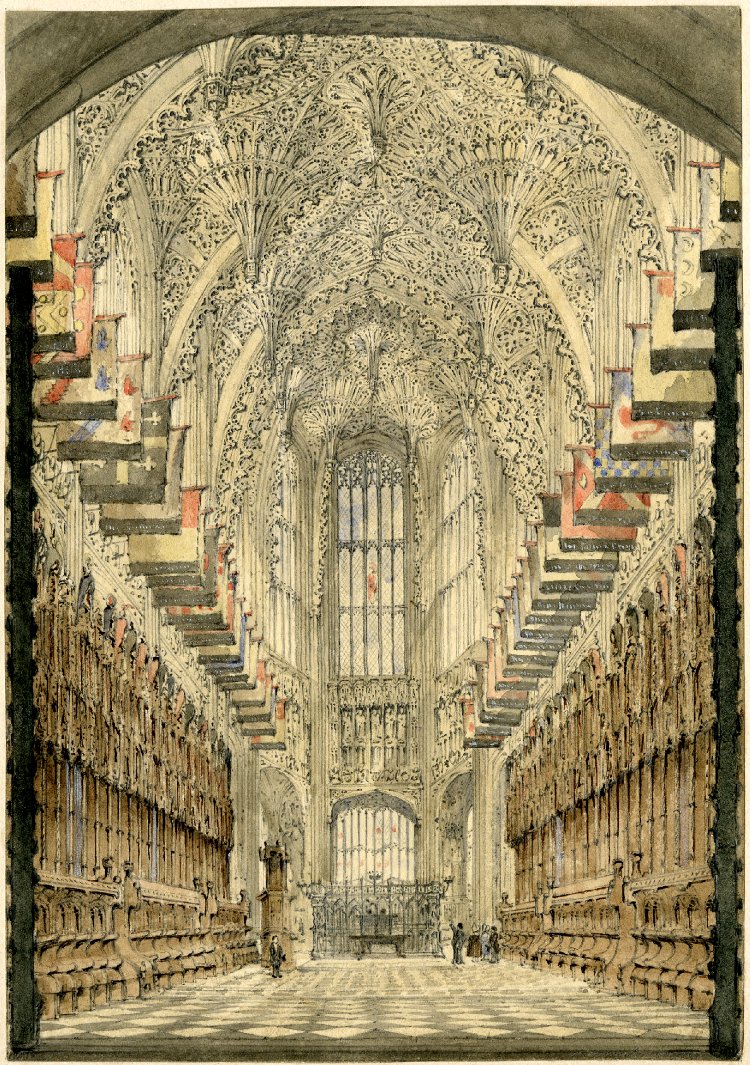
UPDATED POST @ sparkypus.com A Medieval Potpourri https://sparkypus.com/2020/05/14/the-bones-in-the-urn-again-a-17th-century-hoax/ 19th century painting of the Henry VII Chapel by an unknown artist. The entrance to the area where the urn stands is to the left of the tomb of Henry VII Helen Maurer, in her wonderful article, Whodunnit: The Suspects in the Case mentioned in the notes ‘As for why…
-
How Edward IV ascended the throne of England….
“Beauforts”, “Tudors”, cartoons, Castile, Catherine de Roet, Edmund Duke of Somerset, Edmund of Langley, Edmund of Rutland, Edward IV, Edward of Lancaster, Edward the Black Prince, executions, George Duke of Clarence, Henry II, Henry IV, Henry VI, Henry VII, humour, John of Gaunt, Lancastrians, Lionel of Antwerp, Margaret d’Anjou, Matilda, Mortimers, Phillippa of Lancaster, Richard Duke of York, Richard II, Richard III, Richard of Warwick, Shakespeare, SHW, Stephen, Tewkesbury, Tower of London, usurpation, Wakefield, Wars of the Roses, York, YorkistsThe Wars of the Roses did not commence, à la Bard, with white and red roses snatched and brandished in a garden by opposing lords, but they were foreshadowed at the turn of the fifteenth century when Henry of Bolingbroke, Duke of Lancaster, usurped and murdered Richard II. Bolingbroke was the son and heir…
-
“The accounts for the Duchy of Cornwall for 1483 – a momentous year in English history – are to be sold at Bonhams Fine Books and Manuscripts Sale in London on 21 March. They are estimated at £4,000-6,000. “The records were taken to Bonhams offices in Exeter for valuation, having been bought as part of…
-
A Grey Day
Archbishop Cranmer, Battle of Sedgemoor, Castle Heaton, Charles II, Elizabeth Wydeville, executions, Ford Grey Earl of Tankerville, Grey-Dudley rebellion, Greys, Henry Grey Duke of Suffolk, Henry V, Henry VI, Henry VIII, James VII/II, Jane, John Dudley Duke of Northumberland, Lancastrians, Lord Guildford Dudley, Lord Leonard Grey, Mary I, Monmouth Rebellion, Mowbrays, Norham, Northumberland, Portchester Castle, Rye House Plot, Second Battle of St. Albans, Sir John Grey of Groby, Sir Thomas Grey, Southampton plot, Streatham portrait, Thomas Grey Marquess of Dorset, Tower of London, WarkThe Grey family, originally from Northumberland, are a consistent feature of English history from the Southampton plot of 1415 to Monmouth’s rebellion nearly three centuries later. Sir Thomas Grey (1384-1415) of Castle Heaton was a soldier and one of the three principals in the Southampton plot against Henry V, revealed to him by Edmund Mortimer,…
-
A MAN WHO WOULD BE KING: THE DUKE OF BUCKINGHAM AND RICHARD III
“Beauforts”, books, Buckingham rebellion, Edward IV, Edward of Buckingham, excepta dignitate regali, executions, First Battle of St. Albans, George Duke of Clarence, Henry of Buckingham, Henry VI, Henry VIII, High Steward, Humphrey Duke of Buckingham, Janet Reedman, Lady Margaret Beaufort, Lancastrians, Northampton, Richard III, Staffords, Tewkesbury, Thomas of woodstock, Tower of LondonThe Duke of Buckingham is rather a ‘dark horse’ figure in the history of Richard III. No one knows for sure why he aided Richard to take the throne only to turn upon him in rebellion a few months later. Simplistic ideas such as ‘he repented of his ways after the princes were murdered’ don’t…
 The New Murrey and Blue blog