St. Edward the Confessor
-
Bearing in mind that I am NOT a historian, here is a little teaser to pass the time. We all know the texts from the Bible about bastard slips not taking root, and the sins of the fathers being visited on subsequent generations. Right, so what happens if we apply that literally to the throne…
-
UPDATED POST AT sparkypus.com A Medieval Potpourri https://sparkypus.com/2020/05/26/the-coronation-chair-and-stone-of-scone/ As we reminded you yesterday, Richard and Anne were crowned on the 6th July 1483, a crucial part of the ceremony being when Richard was crowned with St Edward’s crown and invested with the royal regalia while sitting on the Coronation chair also known as St Edward’s chair,…
-
Edgar the Aetheling: Failure or Survivor?
“Perkin”, anniversaries, Battle of Hastings, Denmark, Edgar the Atheling, Edward the Exile, Edward V, exiles, Harold II, House of Wessex, Hungary, Malcolm III, Margaret of Wessex, Normandy, Normans, Norway, Richard of Shrewsbury, Scotland, St. Edward the Confessor, Stigand, Wallingford, Westminster Abbey, William I, Witangemot, youth
Originally posted on Giaconda's Blog: You could argue that Edgar was set up to fail from the start. As the last male heir of the ancient royal House of Cerdic of Wessex; Edgar had the bloodline but little else to support his claim to the English throne when his great uncle, Edward the Confessor,…
-
This article is quite interesting, although Richard only gets a brief mention, for moving Henry VI from Chertsey to Windsor. Edward IV is in there, of course, and Henry VII’s endeavours too, although he’s not buried there, of course. Wasn’t it grand enough for him? Whatever, he built himself an extravagant but truly beautiful resting place…
-
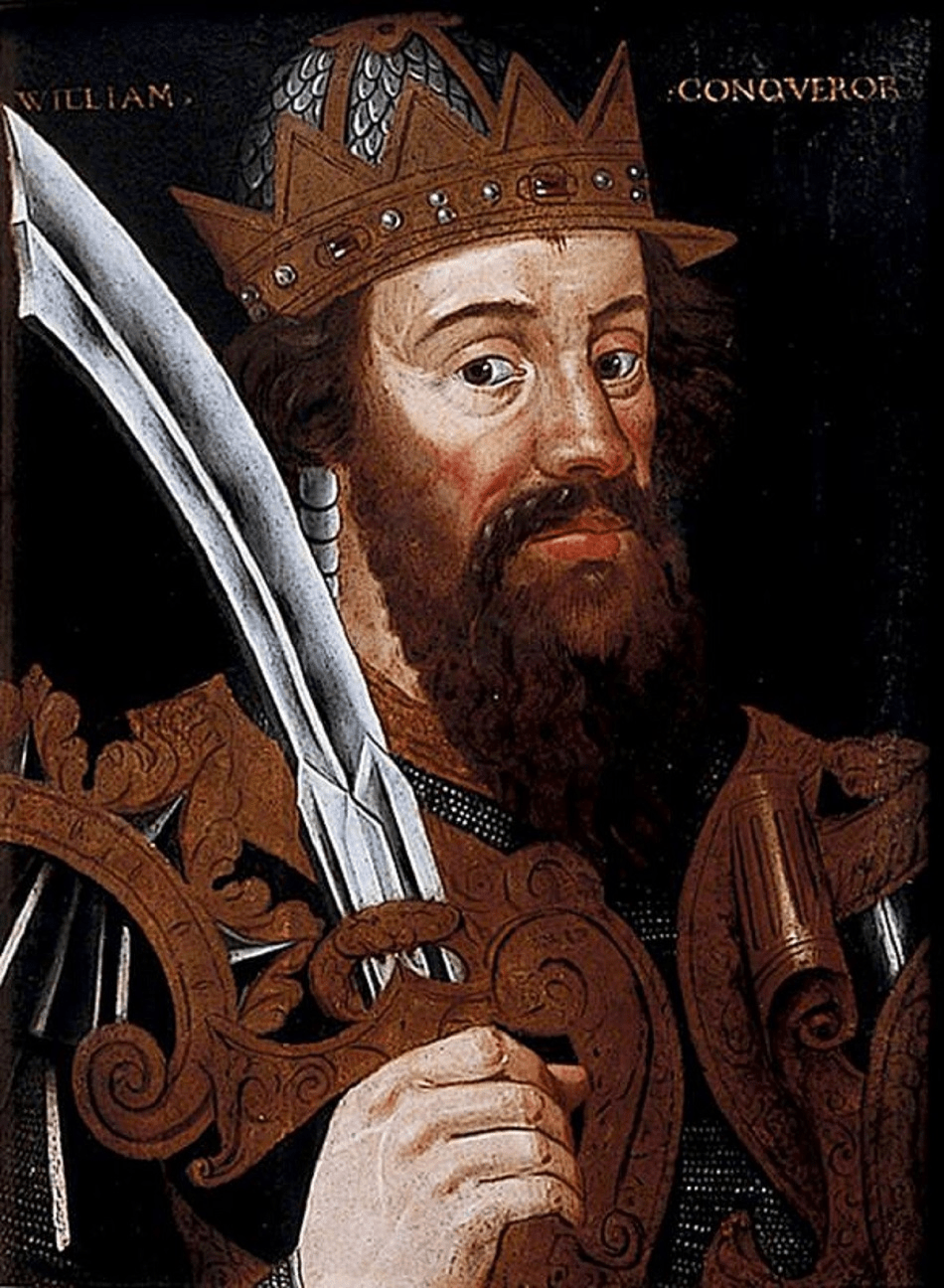
For some years I have set my novels in the last years of Plantagenet reign, or the first years of the Tudor dynasty. William the Conqueror Many authors of historical fiction prefer to set their books in the Georgian or Regency periods, but tor me the Plantagenet dynasty was one of the most interesting…
-
Edmund II (Ironside) is a curiosity among English Kings. He reigned for barely seven months, succeeding his father Ethelred II (Unraed) on St. George’s Day 1016 but dying “in suspicious circumstances” on St. Andrew’s Day the same year. He was the half-brother of Edward the Confessor and grandfather of Edgar the Atheling, thus the ancestor…
-
I am going to start with a statement that too many historians prefer to ignore: England existed before 14 October 1066 and existed as a single kingdom for some of that time. So why do our monarchs’ regnal numbers ignore this? Edward the Confessor died at the beginning of that very year. Edward the Martyr…
 The New Murrey and Blue blog