Sir Geoffrey Pole
-
The Mysterious Disappearance of Henry Pole the Younger in the Tower of London
Charles de Marillac, clerical celibacy, Cowdray, Edward Courtenay, Edward IV, executions, Francis I, George Duke of Clarence, Hazel Pierce, Henry Lord Montagu, Henry Pole the Younger, Henry VII, Henry VIII, hypocrisy, Letters and Papers of Henry VIII, Margaret of Salisbury, Mary I, Paul Delaroche, Reginald Cardinal Pole, Richard III, Richard of Warwick, royal apartments, royal tutors, Sir Geoffrey Pole, starvation, Tower of LondonReblogged from A Medieval Potpourri @sparkypus.com Picture this…a young lad of about thirteen or thereabouts. Royal Plantagenet blood coursing through his veins. His father is dead and no longer able to neither protect nor save him. His mother is also no longer around to help or comfort him. Life has changed for him…
-
Does this later case explain Henry Pole the Younger’s fate?
Antonio of Portugal, Archbishop of Canterbury, Battle of Alcacer Quibir, Catherine of Aragon, clerical celibacy, Elizabeth of York, Eustace Chapuys, Gregory XIII, Henry Courtenay Marquis of Exeter, Henry Lord Montagu, Henry of Portugal, Henry Pole the Younger, House of Aviz, Joanna, Manuel, Mary I, Phillip II, Portugal, Reginald Cardinal Pole, Richard III, Sebastian, Sir Geoffrey Pole, Spain, Thomas Courtenay Earl of DevonIn the years from 1518, before he left England again in 1536, Reginald Pole occupied a number of ecclesiastical ranks, including that of Dean of Exeter. During the early 1530s, just as Henry VIII sought his first annulment, Eustace Chapuys was pressing Reginald to marry Princess Mary, the cousin he eventually served from Lambeth Palace.…
-
Illustrated by SHW
Anne Neville, battles, Bosworth, cartoons, Cecily Duchess of York, executions, Exeter Cathedral, exile, George Duke of Clarence, George Washington, Hazel Pierce, Henry Courtenay Marquis of Exeter, Henry Lord Montagu, Henry Pole the Younger, Henry VIII, humour, Isobel Neville, Jane Neville, Margaret of Salisbury, marriages, Mary I, ODNB, Reginald Cardinal Pole, Richard Duke of York, Richard III, Richard Neville, SHW, Sir Edward Neville, Sir Geoffrey Pole, Thomas Courtenay Earl of Devon, Tower of London, WakefieldToday in 1538-9, Henry Pole Lord Montagu, was beheaded for treason, after the “plot” involving his brother, Reginald, later a Cardinal. It was previously thought that Reginald was a sub-deacon for many years, was only properly ordained in late 1536 and thus could have married at any time before this. However, it is now clear…
-
An award for masochism?
Edward IV, Elizabeth I, executions, exiles, George Duke of Clarence, Gertrude Blount, Henry Courtenay Marquess of Exeter, Henry Lord Montagu, Henry Pole the Younger, Henry VIII, Italy, Margaret of Salisbury, Mary I, Padua, Phillip II, Reginald Cardinal Pole, Sir Edward Neville, Sir Geoffrey Pole, Thomas Courtenay Earl of Devon, Tower of London, Wyatt RebellionThe 1538 plot first saw Sir Geoffrey Pole arrested that autumn and compelled, by a threat to torture his servants, to give evidence about the activities of his exiled brother Reginald and other relatives. Henry Pole Lord Montagu and Henry Courtenay Marquess of Exeter were arrested next, together with Montagu’s son Henry the Younger and…
-
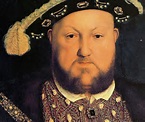
Arthur Waite, Viscount Lisle was released from the Tower of London in March 1542, having been held on suspicion of high treason for two years. This illegitimate son of Edward IV, as were they all, died of a heart attack the same week. Sir Geoffrey Pole was arrested with some cousins, his brother and his…
-
15 November 1558 – Deaths of Queen Mary I, known as Bloody Mary for her executions of Protestants, and her Archbishop of Canterbury, Cardinal Reginald Pole. Mary’s accession marked a return to Catholicism for England after her father Reformation and her brother’s passion for Protestantism. Many Protestants were executed, including Thomas Cranmer, Henry VIII’s Archbishop…
-
We have had a few views recently, asking “why was arthur pole executed?”. Well, we don’t think he was. There were several Arthur Poles: 1) The first (Sir Arthur, 1502-35) was probably the youngest son of the Countess of Salisbury but there are no suggestions that he died from other than natural causes. 2) The…
-
I am not sure that every Ricardian will have survived watching the first two series of BBC2’s “The Tudors”, as first mentioned here, with its historical anachronisms, miscasting in some roles, confused chronology and obsession with bedroom scenes. Nevertheless, the third series is showing signs of improvement, particularly with its focus on the Pole family.…
 The New Murrey and Blue blog