Shakespeare
-
This article is very interesting, because it re-examines Shakespeare’s perverted version of Richard III. Yes, it’s about the play, and a production of it, but toward the end it deals with the REAL Richard, and how he has been damned by the Tudors and their propaganda. Well worth a read.
-
The mystery of the Cade key….
burials, Cade Key, family vault, Greenwich Church, Hampstead, Henry Kelsey, Henry VI, Henry VIII, Jack Cade, James Wolfe, John Stow, Kent, Lavinia Fenton, mortimer claim, mysteries, National Churches Trust, Nicholas Hawksmoor, rebellions, Shakespeare, St. Alfege, The London Stone, Thomas Tallis, Victoria County History, Wars of the Roses, YorkshireThere is an interesting article by Sally Self in the Victoria County History, Gloucestershire, Newsletter 8, January 2018. I will repeat it in full, before making any comments of my own. Not to disprove anything, I hasten to say, but to show my own efforts to find out more about this key. I wish to thank…
-
There are many, many false ideas and funny beliefs about the Middle Ages and some of the notable figures who lived in those times. Alfred and the cakes, Edward II and the hot poker, Eleanor of Aquitaine flinging poisoned toads on Fair Rosamund… And of course, almost everything you can think of about Richard III. …
-
Britain’s most historic towns
“Tudors”, Alice Roberts, Battle of Bosworth, Belfast, canary, Channel Four, Cheltenham, Chester, ducking stool, Earl of Oxford, Edward VI, Elizabeth I, executions, fools, Foxe’s Book of Martyrs, Francis Kett, Henry VII, Henry VIII, heresy, Jasper “Tudor”, justice, Kett Rebellion, Lollards’ Pit, Lord Chamberlain’s Men, Low Countries, Mary I, medieval clothes, Morris dancing, Mousehold Heath, Norwich, Norwich Guildhall, pubs, punishments, Reformation, refugees, Robert Kett, Shakespeare, sumptuary laws, weavers, Wensum, Will Kemp, Winchester, YorkThis excellent Channel Four series reached part four on 28th April as Dr. Alice Roberts came to Norwich, showing streets, civic buildings and even a pub that I have previously visited, describing it as Britain’s most “Tudor” town. She began by describing Henry VII as “violently seizing” the English throne (or at least watching whilst…
-
NB: Since posting this article, the trial and verdict have taken place, and according to The Times, Richard was innocent! See: https://www.thetimes.co.uk/article/richard-iii-cleared-of-murder-on-a-hunch-xtkhlr5qn Well, with all the hype about this upcoming “trial” of Richard III, I become more confused. Just which Richard is going to be in the dock? The real one? Or the monster created by…
-
“A 16th-century manuscript hidden in the depths of the British Library and decoded using plagiarism software has been pinpointed as a previously unknown source for Shakespeare’s plays. “A Brief Discourse of Rebellion & Rebels by George North, a minor figure in Queen Elizabeth’s court, is, according to its finders and decoders, the source of more…
-
Here is a passage and note extracted from here:- “By the time Shakespeare gets to the last of his history plays concerning the Wars of the Roses*, HENRY V, the party boy who would be king has become a man. . .” “*Shakespeare wrote eight plays dealing with the Wars of the Roses during which…
-
Richard III and Robert Cecil (Part II)
anti-Stratfordianism, Battle of Bosworth, Earls of Oxford, Edmund Duke of Somerset, executions, First Battle of St. Albans, historical fiction, Janet Reedman, Joanne Larner, John Tiptoft Earl of Worcester, Josephine Tey, kyphosis, Lord High Constable, Richard III, Robert Cecil, Rosemary Hawley Jarman, scoliosis, Shakespeare, Sharon Kay Penman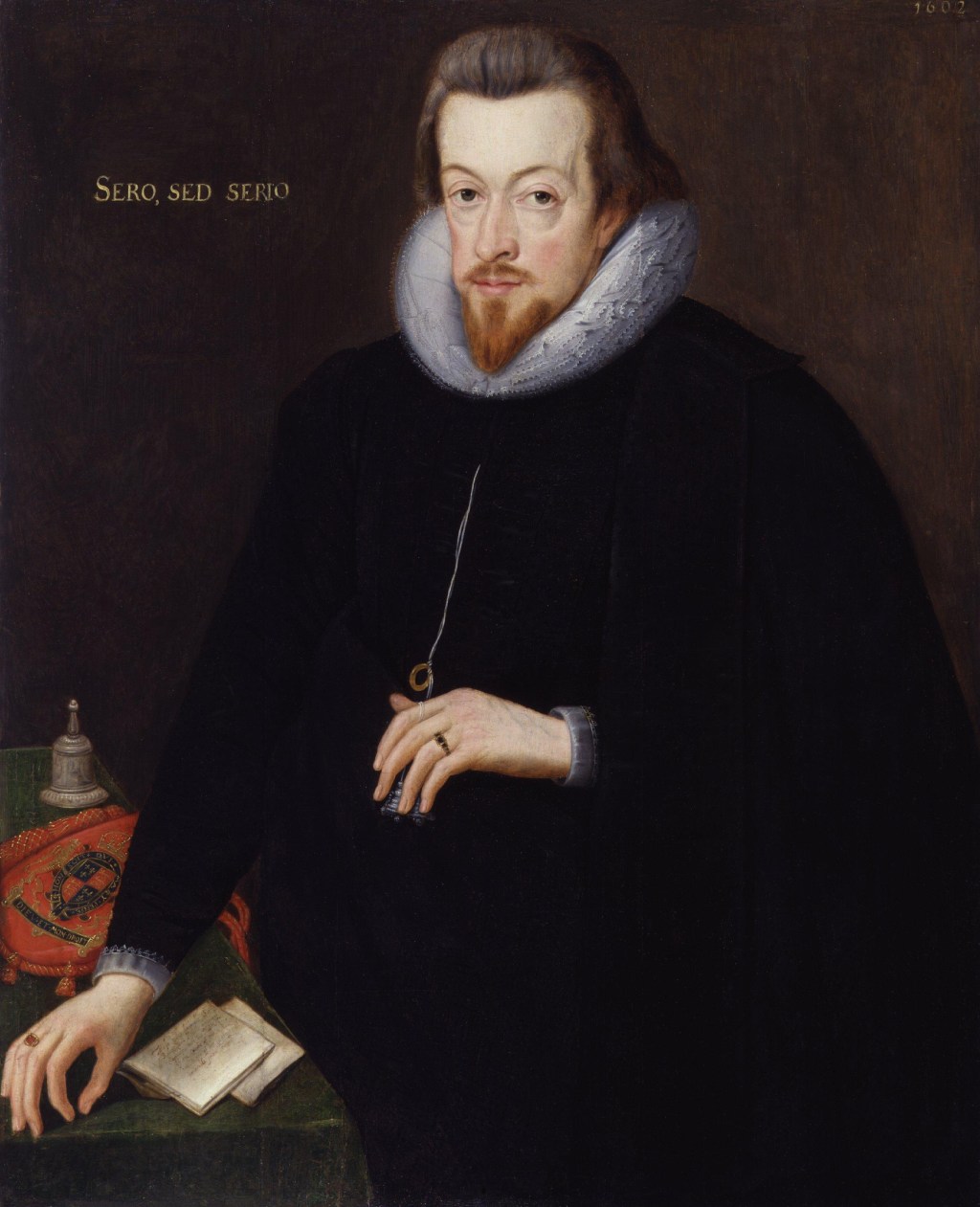
In a previous post, we explored the theory that Shakespeare’s Richard III was actually based on the Elizabethan politician, Robert Cecil. Here is another discussion of the subject, Richard III and Robert Cecil, with references to the hypothesis that Shakespeare was actually the 17th Earl of Oxford, a descendant of the previous Earls of Oxford…
 The New Murrey and Blue blog