Richard III
-
Here is a link to an interesting article first published in the BBC History Magazine in October 2016. Written by Steven Gunn, a professor of early modern history at Merton College, Oxford, the article gives appraisals of five of the ‘upstart’ advisers who Henry came to rely upon and their varying fates. Professor Gunn, however,…
-
Gold half-angels are scarce enough, but those from Richard’s brief reign are truly rare. Now one has been found in a field close to Bosworth, and is to be auctioned. It joins the exceedingly slender ranks of those previously discovered. To read the whole story of its unearthing, click here: See also: https://www.thetimes.co.uk/edition/news/fleeing-army-may-have-dropped-richard-iii-gold-coin-h8fwxqbsc http://www.rugbyadvertiser.co.uk/news/rare-gold-coin-found-in-field-near-rugby-expected-to-sell-for-up-to-15-000-at-auction-1-8250201 http://www.dailymail.co.uk/sciencetech/article-5092541/500-year-old-coin-amateur-treasure-hunter.html Postscript:…
-
Here is what little Lady Anne Mowbray may have looked like. She was the child bride of one of the so-called Princes in the Tower, the younger one, Richard, Duke of York. Her burial was recently extensively covered by sparkypus here. Now The Times has come up with an article about the reconstruction of this…
-
This fascinating book follows the life and career of the medieval King Edward IV’s personal doctor, brings to life so much of the era and in particular explains the medical knowledge, practices and advances of the times. Many commonly believed myths and mistakes regarding historical events and characters are covered and smoothed over with clarity…
-
The Court of Requests and Thomas Seckford
“Tudor” justice, “Tudors”, anniversaries, Brandons, Christophe Saxton, court of Requests, de la Pole family, Edmund Crouchback, Edward I, Elizabeth I, English Civil War, executions, Henry Earl of Huntingdon, Henry Grey Duke of Suffolk, Henry VII, Henry VIII, Ipswich, Jane, Joan of Acre, law, Lords Audley, Margaret Wingfield, Orford, Parliament, Richard III, Richard’s justice, Ripon, Seckford Hall, Thomas Seckford, Woodbridge
In 1484, King Richard III created a minor equity court to deal with minor disputes in equity; these are disputes where the harshness of common law would be acknowledged by those appointed by the Crown. Equity courts were mostly seen as the Lord Chancellor’s remit, and the split of the Chancery Courts from the Curia…
-
Cat trolls are credited for being wiser than human trolls, who are well known for being wotless, boring and prone to making gaffes… A group of cats, known as a moggle, have been discovered by their incredulous owners, to have been routinely trolling. Not only that but the surprised owners discovered that the felines…
-
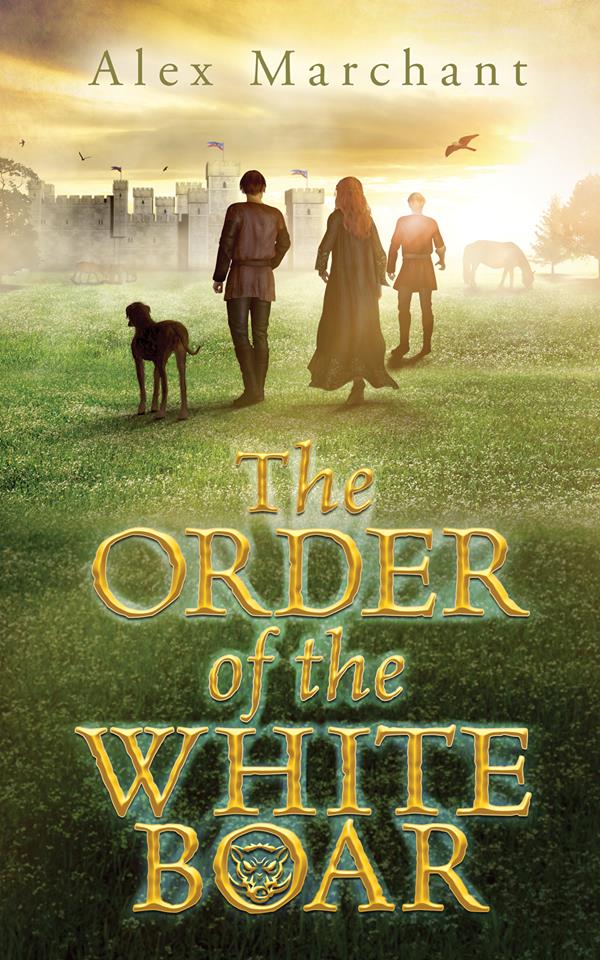
There is a new Ricardian children’s author on the block: Alex Marchant. Alex kindly agreed to an interview: Q: You’ve recently published your first novel about King Richard III for children, The Order of the White Boar. What made you write about King Richard? Alex: I first became interested in King Richard in my teens…
-
Murrey and Blue interviews Michael K. Jones
“The King’s Mother”, “Tudors”, Aquitaine, BBC History Magazine, Castile, Chandos Herald, chivalry, Crecy, David Baldwin, Edmund Duke of Somerset, Edward III, Edward the Black Prince, Enrique of Trastamara, France, Froissart, Henry of Knighton, Henry VI, Henry VII, Hundred Years War, interviews, Jean II, John Gower, John of Gaunt, Lady Margaret Beaufort, Lancastrians, Lionel of Antwerp, Lords Appellant, Malcolm Underwood, Michael K Jones, Military tactics, Mortimers, Najera, Pedro I, Poitiers, Polydore Vergil, propaganda, Richard Duke of York, Richard II, Richard III, siege of Limoges, St. John’s College Cambridge, Thomas Brinton, Thomas Walsingham, tyranny, Wars of the Roses, Westminster Hall, YorkistsWhich of the Black Prince’s military achievements is the most impressive and why? The main attraction in writing a biography of the Black Prince was to bring to life his martial exploits, for Edward of Woodstock, the eldest son of Edward III, captured the imagination of fourteenth century Europe. The chronicler Jean Froissart described him…
-
Illustrated by SHW
Anne Neville, battles, Bosworth, cartoons, Cecily Duchess of York, executions, Exeter Cathedral, exile, George Duke of Clarence, George Washington, Hazel Pierce, Henry Courtenay Marquis of Exeter, Henry Lord Montagu, Henry Pole the Younger, Henry VIII, humour, Isobel Neville, Jane Neville, Margaret of Salisbury, marriages, Mary I, ODNB, Reginald Cardinal Pole, Richard Duke of York, Richard III, Richard Neville, SHW, Sir Edward Neville, Sir Geoffrey Pole, Thomas Courtenay Earl of Devon, Tower of London, WakefieldToday in 1538-9, Henry Pole Lord Montagu, was beheaded for treason, after the “plot” involving his brother, Reginald, later a Cardinal. It was previously thought that Reginald was a sub-deacon for many years, was only properly ordained in late 1536 and thus could have married at any time before this. However, it is now clear…

