Richard II
-
Today in 1367, Henry IV was born:
-
Heraldic “devices” of the House of York
Alianore Holland, black bull, black dragon, blue boar, Caroline Halsted, Clare Castle, Clifford’s Tower, Cliffords, Conisbrough, Conisbrough Castle, Duke of York, Dukedom of Clarence, Earl of March, Earl of Ulster, Edmund of Langley, Edward III, fetterlock and falcon, Joan Holland, Mortimers, Richard II, white hart, white hind, white lion, white rose, Yorkist coloursThe origins of these devices is set out in Richard III as Duke of Gloucester and King of England by Caroline A. Halsted, volume 1, pages 404-5. The source quoted is Archoelogia vol. xxii, p.226. The main change here is to convert the text into modern English: The dukedom of York – the falcon and…
-
How Edward IV ascended the throne of England….
“Beauforts”, “Tudors”, cartoons, Castile, Catherine de Roet, Edmund Duke of Somerset, Edmund of Langley, Edmund of Rutland, Edward IV, Edward of Lancaster, Edward the Black Prince, executions, George Duke of Clarence, Henry II, Henry IV, Henry VI, Henry VII, humour, John of Gaunt, Lancastrians, Lionel of Antwerp, Margaret d’Anjou, Matilda, Mortimers, Phillippa of Lancaster, Richard Duke of York, Richard II, Richard III, Richard of Warwick, Shakespeare, SHW, Stephen, Tewkesbury, Tower of London, usurpation, Wakefield, Wars of the Roses, York, YorkistsThe Wars of the Roses did not commence, à la Bard, with white and red roses snatched and brandished in a garden by opposing lords, but they were foreshadowed at the turn of the fifteenth century when Henry of Bolingbroke, Duke of Lancaster, usurped and murdered Richard II. Bolingbroke was the son and heir…
-
Horrox on the de la Poles
Azincourt, de la Pole family, DNA, Earls of Suffolk, Edmund Earl of Suffolk, Edward the Black Prince, Harfleur, Hull, John Ashdown-Hill, John Duke of Suffolk, John Earl of Lincoln, John of Gaunt, Katherine Wingfield, Lady Margaret Beaufort, Lord Richard de la Pole, Marguerite de la Pole, Michael de la Pole, Michael K Jones, moneylenders, Nicolas of the Tower, Norwich, Pavia, Richard de la Pole, Richard II, Rosemary Horrox, Sir William de la Pole, Sutton Hoo, William de la Pole, William Duke of Suffolk, Wuffings EducationTwo weeks after visiting Wingfield , I attended a “Wuffing Education” Study Day at Sutton Hoo, addressed by Rosemary Horrox on the de la Pole family. This juxtaposition of dates was entirely beneficial as their genealogy and history was fresh in my mind so it was easy to follow Horrox’s train of thought. She covered the…
-
This post harks back to a previous one of 5th November 2014. Both concern the similarities between the lives and deaths of Richard II and Richard III, but I have now come upon a passage in a book that is actually about Richard II, but much of which could be applied to Richard III. The book…
-
Edmund Mortimer 5th Earl of March
Anne Stafford, Battle of Shrewsbury, Constance of York, Earl of Northumberland, Earldom of March, Edmund Mortimer, Edmund of Langley, Harfleur, Harlech Castle, Henry IV, Henry V, Humphrey of Gloucester, Ian Mortimer, Iolo Goch, Ireland, John Holland, King’s Council, Mortimers, Normandy, Owain Glyn Dwr, Pevensey Castle, plot, Richard Earl of Cambridge, Richard II, Roger Mortimer, Sir Hugh Waterton, Sir John Mortimer, Sir Thomas Grey, Southampton, Thomas Earl of Surrey, Thomas of woodstock, Tripartite Alliance, Wales, Windsor CastleEdmund Mortimer, later 5th Earl of March, was born on 6 November 1391. His parents were Roger Mortimer, Earl of March (1374-1398) and his wife, the well-connected Alianore Holland, daughter of Thomas Earl of Kent. In the view of many people, including the Westminster Chronicler, and the Welsh poet Iolo Goch (c1320-1398) Earl Roger was…
-
Murrey and Blue interviews Michael K. Jones
“The King’s Mother”, “Tudors”, Aquitaine, BBC History Magazine, Castile, Chandos Herald, chivalry, Crecy, David Baldwin, Edmund Duke of Somerset, Edward III, Edward the Black Prince, Enrique of Trastamara, France, Froissart, Henry of Knighton, Henry VI, Henry VII, Hundred Years War, interviews, Jean II, John Gower, John of Gaunt, Lady Margaret Beaufort, Lancastrians, Lionel of Antwerp, Lords Appellant, Malcolm Underwood, Michael K Jones, Military tactics, Mortimers, Najera, Pedro I, Poitiers, Polydore Vergil, propaganda, Richard Duke of York, Richard II, Richard III, siege of Limoges, St. John’s College Cambridge, Thomas Brinton, Thomas Walsingham, tyranny, Wars of the Roses, Westminster Hall, YorkistsWhich of the Black Prince’s military achievements is the most impressive and why? The main attraction in writing a biography of the Black Prince was to bring to life his martial exploits, for Edward of Woodstock, the eldest son of Edward III, captured the imagination of fourteenth century Europe. The chronicler Jean Froissart described him…
-
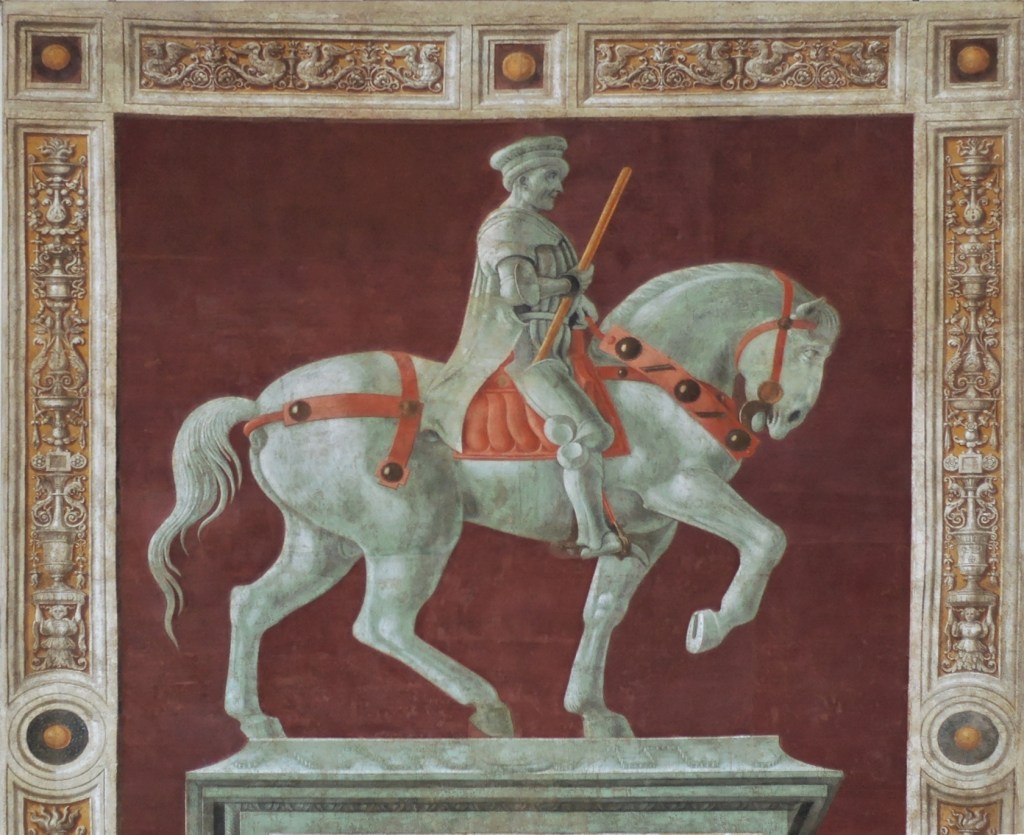
You may know or suspect from a previous post in Murrey and Blue, that Sir James Tyrrell, Richard’s henchman, was a direct descendant of Sir Walter Tyrrell, the ‘Killer Baron’, who fled during a hunting expedition with King William II (Rufus) after shooting him with an arrow. It is not known whether this was an…
-
Coventry’s history and buildings are very well served and illustrated in this article. I think the city is very well worth visiting and has a lot to offer.
 The New Murrey and Blue blog