“Princes”
-
Usurpation, Murder and More
“Princes”, “Tudor” “sources”, Angelo Cato, Croyland, denialists, Dighton, Edmund Dudley, Edward IV, Elizabeth of York, Elizabeth Woodville, evidence, Henry of Buckingham, Henry VI, Henry VII, Henry VIII, Jack Leslau, John Morton, John Russell, Lady Eleanor Talbot, Louis XI, Mancini, Miles Forest, Polydore Vergil, pre-contract, Ralph Shaa, Richard Empson, Richard III, Royal College of Arms, Sir James Tyrrell, Sir Richard Grey, Thomas More, Utopia
Originally posted on Matt's History Blog: I read a series of blog posts recently that sought to prove beyond a reasonable doubt that Richard III ordered the deaths of his nephews. Whilst I don’t take issue with holding and arguing this viewpoint I found some of the uses of source material dubious, a few of…
-
BOOK REVIEW: WESTMINSTER BONES: The Real Mystery of the Princes in the Tower by Richard Unwin Richard Unwin is an author who generally writes novels set during the Wars of the Roses era (The Lawrence the Armourer series), which contain a positive rather than traditional view of Richard III, as seen through the eyes of…
-
December 28th was the Feast of the Innocents, commemorating the day in which Herod slaughtered young male children in an attempt to kill the newborn Christ-child. In medieval England it was an important feast day and also part of the ‘Feast of Fools’. In many towns and cities over the festive season the church authority…
-
THE MALIGNED RICARDIANS
“Princes”, “Tudors”, Anthony Woodville, Charles II, Earl of Essex, Earl of Southampton, Elizabeth I, Elizabeth Lucy, forced loans, George Buck, Henry VI, Horace Walpole, Ireland, James VI/I, John Morton, Kincaid, Magna Carta, Mary I, Netherlands, Norfolk, Orford, Phillip II, Privy Chamber, Ralph Shaa, recusants, Richard III, Robert Cecil, Seneca, ship money, Sir Henry Neville, Sir Thomas Grey, Sir William Cornwallis, Slobodan Milosevic, Spain, The Encomium of Richard III, Thomas More, War, William CecilPart 1 – Sir William Cornwallis the younger “ His virtues I have sought to revive, his vices to excuse” (The Encomium of Richard III, Sir William Cornwallis) It is conceivable that historians do not take the early revisionist histories of king Richard III seriously owing to an assumption that the authors were not themselves…
-
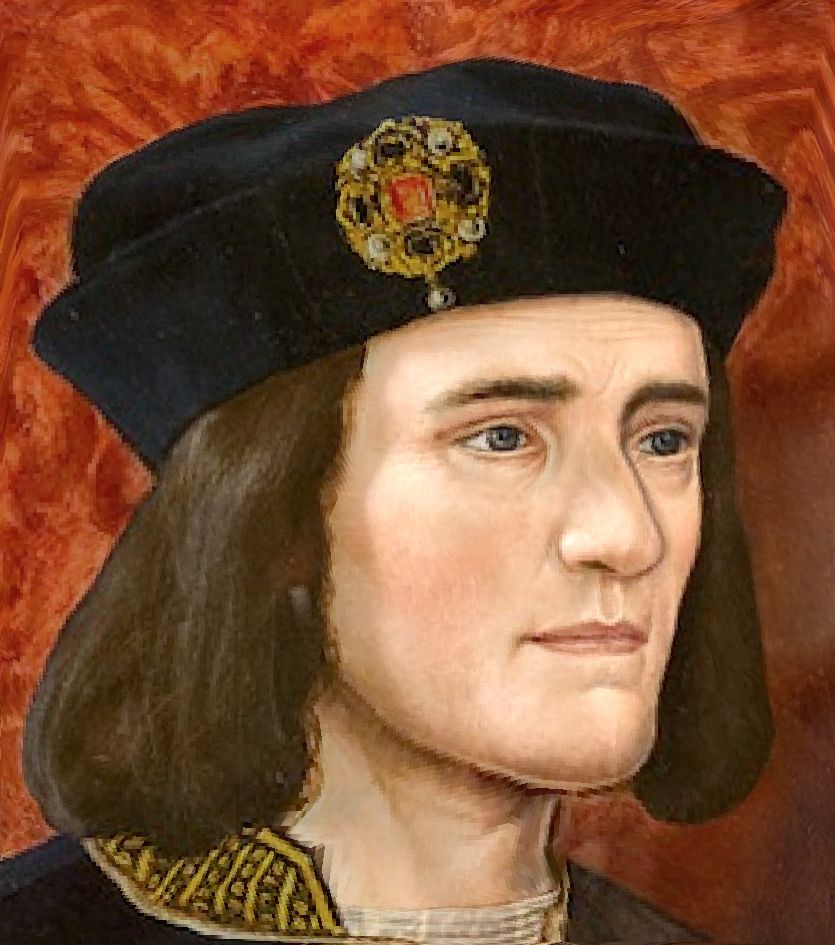
A member of the Richard III Society, Ian Dixon Potter who is a playwright has written a new theatre play about Richard III which opens in London on December the 8th. <<‘Good King Richard’ is the culmination of many months of research going back to contemporary sources and presents a revised view of Richard III,…
-
The title sounds like a fairy tale, doesn’t it? Well, I’m once again going to address the matter of those pesky princes in the Tower as I found myself recently debating with several folks who still want to hang on to a certain rather improbable fairy story about them—the one created by our ‘favourite’ saint,…
-
In the late 80s, I made the acquaintance of a classically trained British actor. Born in Guernsey, he served in the Royal Air Force during World War II and was imprisoned in a German prisoner-of-war camp for three years, from 1942 to 1945. Until I learned that he and his fellow prisoners were forced…
-
… David Starkey thinks that he has solved the mystery of the “Princes”. The minor details are: 1) Tyrrell’s trial was for helping the de la Pole brothers, not to do with any “murder” of anyone at all. 2) The (fully documented by Thomas Penn) trial took place at the Guildhall, not the Tower. Henry…
-
Following our post on Sunday, (https://murreyandblue.wordpress.com/2015/06/07/a-lock-of-a-kings-hair/) you may have heard that there was a lock of hair in Moyse’s Hall Museum, Bury St. Edmunds, belonging to Edward’s granddaughter Mary “Tudor”, who became Queen of France and Duchess of Suffolk. This was investigated at the behest of John Ashdown-Hill, as she would share mtDNA with Edward’s…

