Parliament
-
It was not the first time that a Convention Parliament had effectively determined the succession. We might look, for example, the precedent of 1399, when just such an assembly deposed Richard II and (in effect) elected Henry IV, who was not even Richard II’s right heir. (He was the heir male, but strangely enough did…
-
Richard III And The Tudor Genealogy — RICARDIAN LOONS
“Tudor” genealogy, Bertram Fields, Catherine de Valois, Colin Richmond, Dan Jones, Edmund “Tudor”, Edmund Duke of Somerset, Eleanor Beauchamp, executions, France, G.L.Harriss, Henry V, Henry VI, Henry VII, Henry VIII, Hereford Greyfriars, Humphrey of Gloucester, Jasper “Tudor”, John Ashdown-Hill, John Duke of Bedford, law change, Michael K Jones, Mortimer’s Croft, Owain Tudor, Parliament, proclamations, remarriage of royal stepmothers, Richard III, royal armsIt is generally acknowledged by historians that Henry Tudor, who defeated Richard III, the last Yorkist king, at Bosworth and went on to be crowned Henry VII, wasn’t the Lancastrian heir to the throne of England he claimed to be. His mother, Margaret Beaufort, was descended from John of Gaunt, the third surviving son of […]…
-
Recently the infamous ‘David’ has popped up yet again, this time stating that Northampton’s large medieval fair, which began on St George’s Day, lasted for ten days and may have provided a legitimate reason why Anthony Woodville, Earl Rivers, bypassed the town and went straight on to Stony Stratford with young Edward V, instead of…
-
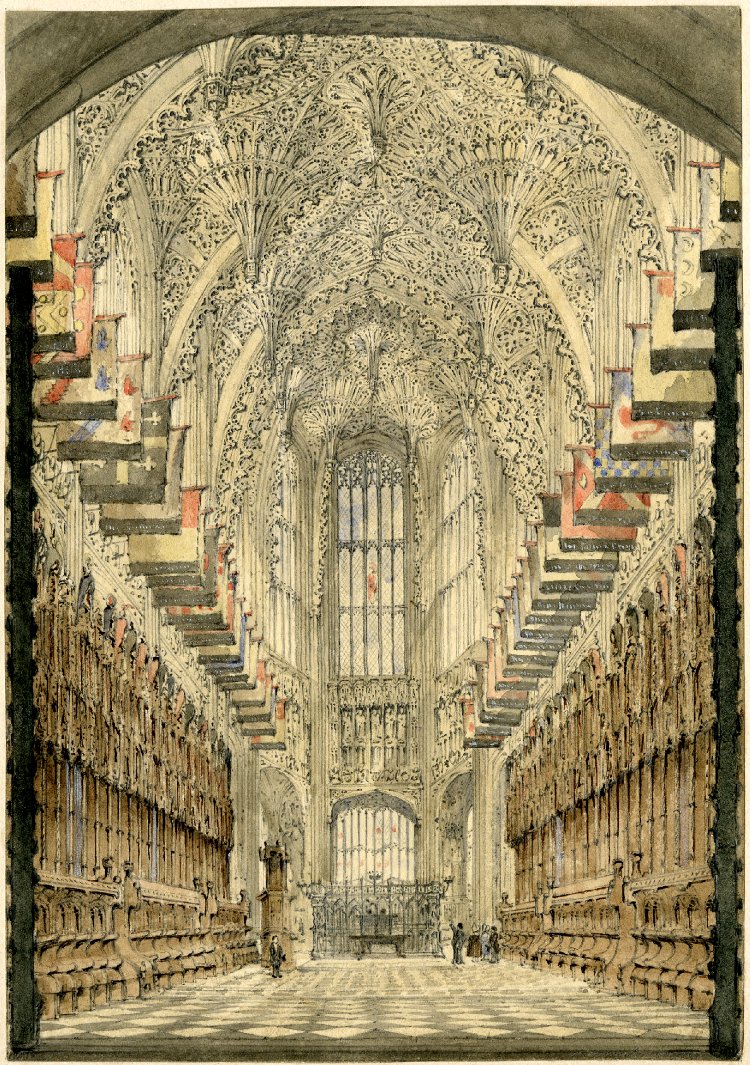
UPDATED POST @ sparkypus.com A Medieval Potpourri https://sparkypus.com/2020/05/14/the-bones-in-the-urn-again-a-17th-century-hoax/ 19th century painting of the Henry VII Chapel by an unknown artist. The entrance to the area where the urn stands is to the left of the tomb of Henry VII Helen Maurer, in her wonderful article, Whodunnit: The Suspects in the Case mentioned in the notes ‘As for why…
-
The Court of Requests and Thomas Seckford
“Tudor” justice, “Tudors”, anniversaries, Brandons, Christophe Saxton, court of Requests, de la Pole family, Edmund Crouchback, Edward I, Elizabeth I, English Civil War, executions, Henry Earl of Huntingdon, Henry Grey Duke of Suffolk, Henry VII, Henry VIII, Ipswich, Jane, Joan of Acre, law, Lords Audley, Margaret Wingfield, Orford, Parliament, Richard III, Richard’s justice, Ripon, Seckford Hall, Thomas Seckford, Woodbridge
In 1484, King Richard III created a minor equity court to deal with minor disputes in equity; these are disputes where the harshness of common law would be acknowledged by those appointed by the Crown. Equity courts were mostly seen as the Lord Chancellor’s remit, and the split of the Chancery Courts from the Curia…
-
If the witchcraft trials at North Berwick in the 1590s and later in England, of which Pendle in 1610 is an example, happened because James VI/I fervently believed in witchcraft, as shown by the three characters in Macbeth, it can be argued that the subsequent decline in such cases came because judges and Charles I…
-

Having heard that Leicester Cathedral were staging a performance of Shakespeare’s Richard III inside the Cathedral itself, feet from where Richard is buried, I felt I had to do something to protest. It is not that I object to Leicester putting plays on in the Cathedral, although some do. Nor do I hate Shakespeare’s Richard…
 The New Murrey and Blue blog