Normans
-
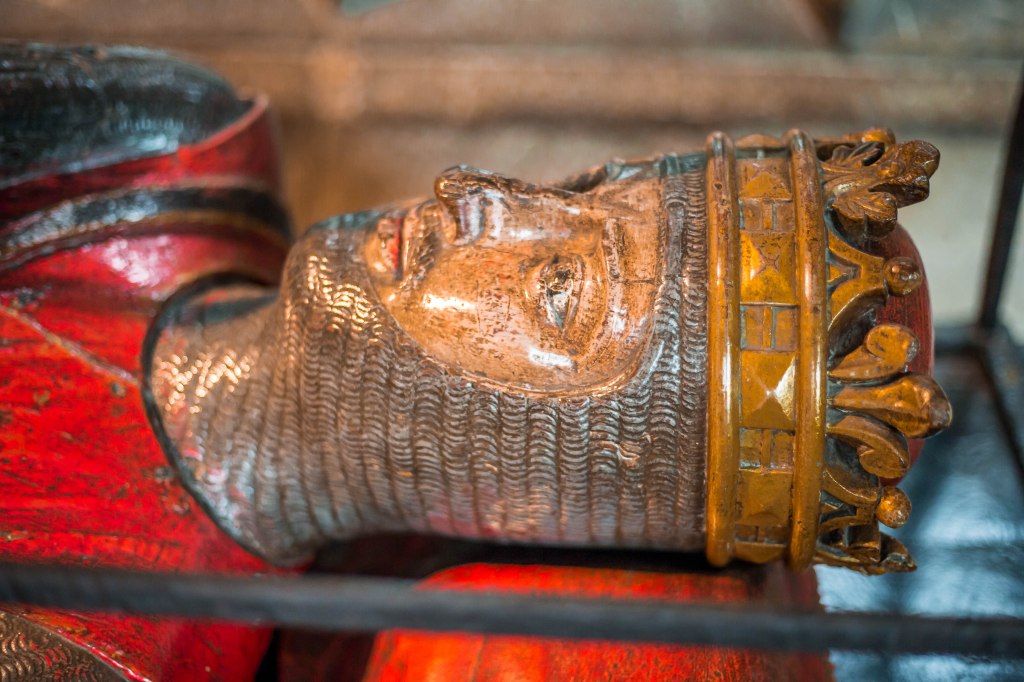
It is perhaps not a well-known fact that during World War II, many priceless historical treasures were crated up and shipped out of London for safe storage. At least, I wasn’t particularly aware of something that now makes perfect sense. I found out about this whilst visiting Gloucester Cathedral and touring the amazing crypt beneath…
-
Edgar the Aetheling: Failure or Survivor?
“Perkin”, anniversaries, Battle of Hastings, Denmark, Edgar the Atheling, Edward the Exile, Edward V, exiles, Harold II, House of Wessex, Hungary, Malcolm III, Margaret of Wessex, Normandy, Normans, Norway, Richard of Shrewsbury, Scotland, St. Edward the Confessor, Stigand, Wallingford, Westminster Abbey, William I, Witangemot, youth
Originally posted on Giaconda's Blog: You could argue that Edgar was set up to fail from the start. As the last male heir of the ancient royal House of Cerdic of Wessex; Edgar had the bloodline but little else to support his claim to the English throne when his great uncle, Edward the Confessor, died…
-
http://www.english-heritage.org.uk/learn/1066-and-the-norman-conquest/how-to-organise-a-norman-invasion-fleet/ {particularly when you are coming from France with a few thousand mercenaries and no lineal claim to the English throne}
-
No, NOT this Stamford Bridge, but two hundred miles further north, somewhere by the River Derwent in the East Riding. So please try to avoid any more football references, except for the violent Norwegian game plan, the travel plans of the teams (sorry, armies) and the fixture congestion being contributory factors to the Anglo-Saxon defeat…
-
This Glasgow Herald article illustrates how historian Sheila Pitcairn wishes to search Dunfermline Abbey and identify Malcolm III and his family. Robert I (le Brus) can easily be found there already. The widowed Malcolm III married (St.) Margaret of Wessex, great-niece of Edward the Confessor and granddaughter of Edmund Ironside, in about 1070, allowing Anglo-Saxon…
-
Although they are regarded as loose ends, the last Anglo-Saxon and last Norman kings of England are both Richard’s ancestors, via Edward III’s marriage. This document demonstrates Phillippa of Hainault’s descent from Harold II, via Kiev and Hungary, and Stephen, via the Low Countries. There seems to be little news from Faversham Abbey, where Stephen…
-
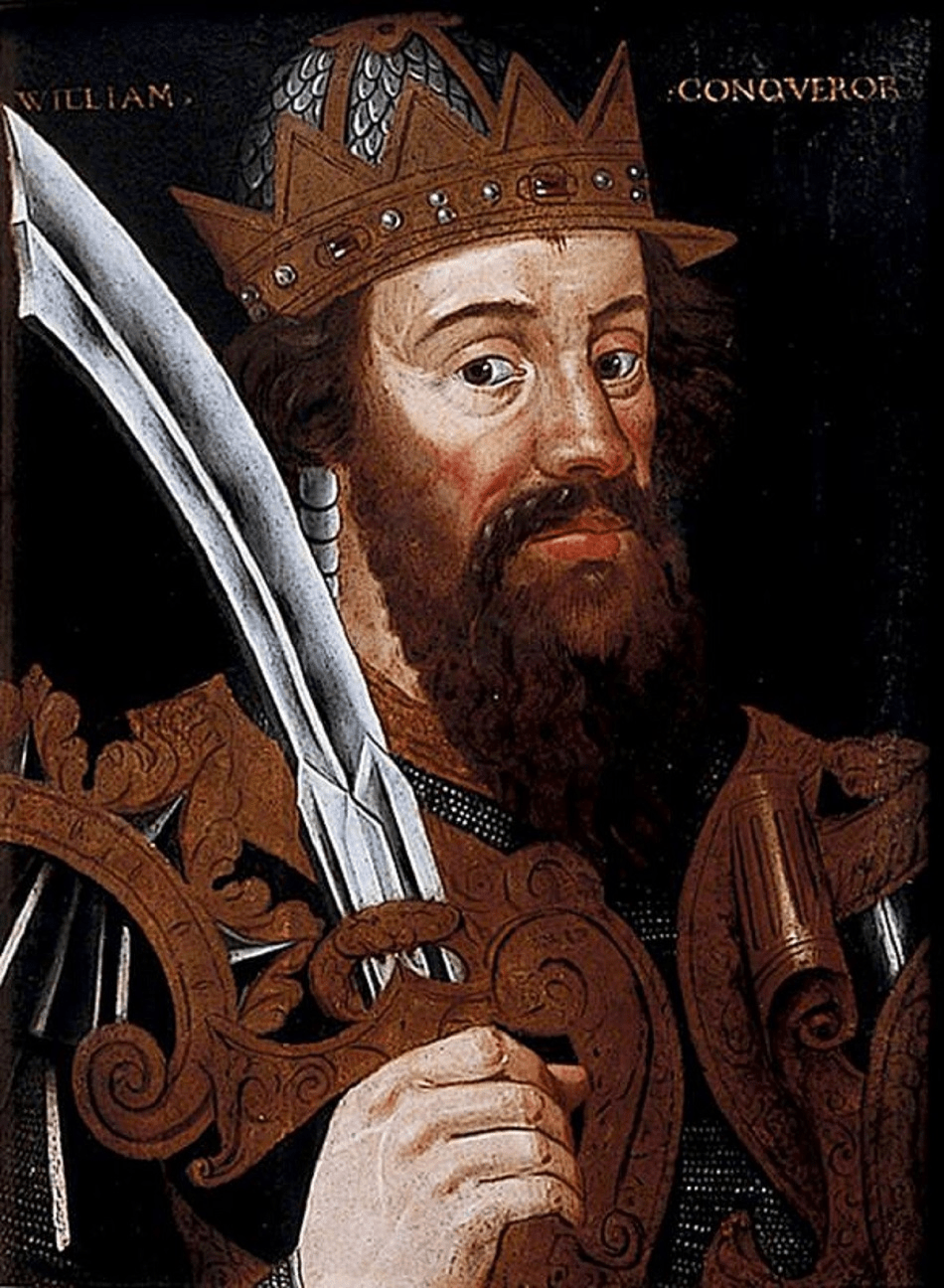
For some years I have set my novels in the last years of Plantagenet reign, or the first years of the Tudor dynasty. William the Conqueror Many authors of historical fiction prefer to set their books in the Georgian or Regency periods, but tor me the Plantagenet dynasty was one of the most interesting…
-
Amidst the spreading Oaks of the New Forest stands a solitary stone, once ten foot high with a ball on top, now truncated and protected from vandals. Known as the Rufus Stone, it is the memorial to a slain king, William II, one of England’s most mysterious and little known Norman Kings. On the stone,…
 The New Murrey and Blue blog