Lord High Constable
-
NOT AGAIN! THE LATEST FROM A CAIRO DWELLER …
“Princes”, “Tudor” “sources”, Anne Mowbray, Annette Carson, Baynard’s Castle, bigamy, Charles Dickens, children, denialists, Domenico Mancini, Duchess of Norfolk, Earl of Northumberland, facial reconstruction, Hastings Execution, Henry of Buckingham, Historical Notes of a London Citizen, John Ashdown-Hill, John Earl of Shrewsbury, John Howard Duke of Norfolk, Lady Eleanor Talbot, Lord High Constable, Lord Protector of the Realm, pre-contract, Richard III, The Maligned King, The Mythology of Richard III, The Mythology of the “Princes in the Tower”, Thomas More, Three Estates, Titulus Regius, usurpationRichard Duke of Gloucester being offered the crown by the Three Estates at Baynards Castle, June 1483. Painting by Sigismund Goetze at the Royal Exchange…(or according to some.. Richard in the actual act of ‘usurping’ the throne)… I came across this article on a forum devoted to late medieval Britain. Unfortunately I read it..5 minutes from my…
-
Thomas Stanley, or, the man with the evil beard….
“Perkin”, “Tudors”, Battle of Bosworth, Blore Heath, Cheshire, executions, First Battle of St. Albans, Henry of Buckingham, Henry VII, Lathom House, Lord High Constable, Lord Welles, Ludlow, Richard III, Second Battle of St. Albans, Sir William Stanley, Stoke Field, Tatton Park, Tewkesbury, Thomas Lord Stanley, Towton, treachery, Wakefield, Wars of the RosesFor anyone interested in knowing what made slippery Lord Stanley tick, here is an excellent evaluation, save that Sir William was executed for refusing to oppose “Perkin”, not for supporting him. The man was a born opportunist and survivor. Full stop. Oh, and he had an evil beard!
-
Richard III and Robert Cecil (Part II)
anti-Stratfordianism, Battle of Bosworth, Earls of Oxford, Edmund Duke of Somerset, executions, First Battle of St. Albans, historical fiction, Janet Reedman, Joanne Larner, John Tiptoft Earl of Worcester, Josephine Tey, kyphosis, Lord High Constable, Richard III, Robert Cecil, Rosemary Hawley Jarman, scoliosis, Shakespeare, Sharon Kay Penman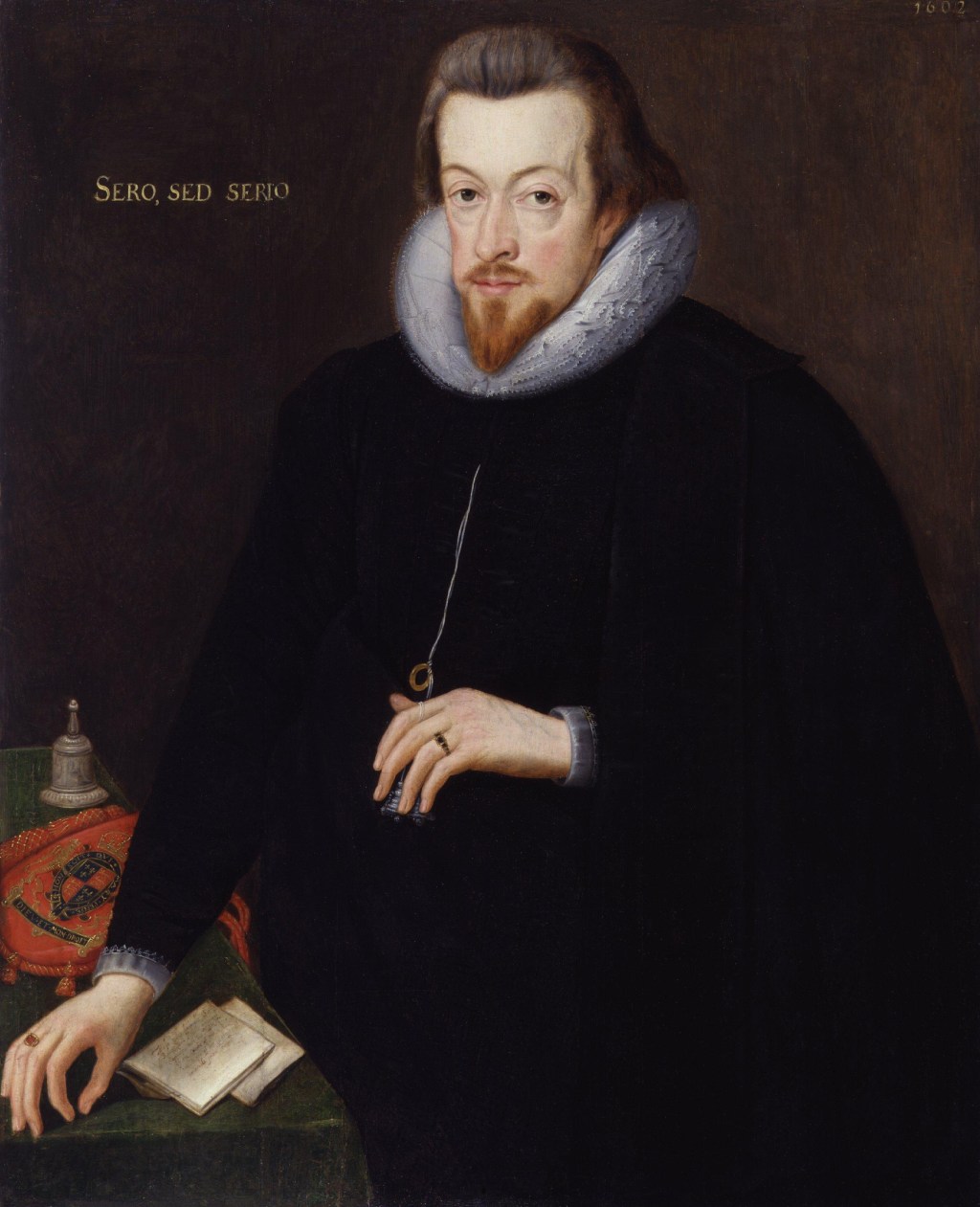
In a previous post, we explored the theory that Shakespeare’s Richard III was actually based on the Elizabethan politician, Robert Cecil. Here is another discussion of the subject, Richard III and Robert Cecil, with references to the hypothesis that Shakespeare was actually the 17th Earl of Oxford, a descendant of the previous Earls of Oxford…
-
LORD OF THE NORTH
“Tudor” “sources”, AJ Pollard, Anne Sutton, Annette Carson, arbitration, Armstrong, Charles Ross, Council of the North, Dockray, Earl of Northumberland, Edward IV, elections, fishgarths, Fran, Francis Viscount Lovell, Gairdner, George Duke of Clarence, Henry VII, Hicks, hunting, John Earl of Lincoln, John Kendall, John Morton, justice, Lady Margaret Beaufort, Lansdale and Boon, Lawrence Booth, Long Parliament, Lord High Constable, Lord of the North, Lord Scrope of Bolton, Lord Slim, loyalty, Mancini, Middleham, Nevilles, offices, Paul Murray Kendall, Peter Hammond, Piers Gaveston, Pontefract, Rachel Reid, Reformation, Richard III, riots, Robert Aske, Sandal Castle, Sandhurst, Scotland, Scottish Marches, Sir James Harrington, Sir James Tyrrell, Sir Peter de la Billiere, Sir Ralph Assheton, Sir Richard Ratcliffe, Sir Robert Percy, Thomas Lord Stanley, William Langland, Winston Churchill, Woodvilles, York civic records, YorkshireRichard duke of Gloucester: courage, loyalty, lordship and law[1] “ Men and kings must be judged in the testing moments of their lives Courage is rightly esteemed the first of human qualities because, as has been said, it is the quality that guarantees all others.” (Winston Churchill 1931) Introduction I do not suppose…
-
More Lord Protectors and Defenders of the Realm
“Tudor” policy, Admiral Thomas Seymour, Annette Carson, codicil, Edward IV, Edward Seymour Duke of Somerset, Edward V, Edward VI, Frank Gardner, Henry VI, Henry VIII, Humphrey of Gloucester, John Dudley Duke of Northumberland, John of Bedford, Lord High Constable, Lord Protector of the Realm, Richard III, Sir Michael Stanhope, willMany readers of Carson’s “Richard Duke of Gloucester as Lord Protector and High Constable of England” will be curious, given “Tudor” criticism of the Duke’s twin roles in 1483, of their practice in the next century, by comparison. The occasion in question was, of course, the accession of Edward VI as the only surviving son…
-
Fabricating Precontracts: Richard III vs Henry VIII
3rd Duke of Norfolk, adultery, Anne Boleyn, Anne of Cleves, Annette Carson, Archbishop Cranmer, attainder, bigamy, canon law, Catherine Howard, Claire Ridgway, Crowland, Earl of Northumberland, Edward IV, Edward V, executions, Francis Dereham, Francis of Lorraine, Henry VIII, Lady Eleanor Talbot, Lord High Constable, Lord Protector of the Realm, Mary Boleyn, mediaeval canon law, pre-contract, Richard III, Robert Stillington, Thomas Cromwell, Thomas Howard, treasonOn 10 and 11 June 1483, Richard duke of Gloucester wrote to his affinity in the North and asked for troops to support him against the Woodvilles who, he claimed, were plotting his destruction. On 22 June Ralph Shaa preached his “bastard slips” sermon, followed by similar speeches by the duke of Buckingham, and on…
-
It appears that the traditional assumptions surrounding the execution of William, Lord Hastings in June of 1483, generally incline towards the idea that the Lord Protector, Richard Duke of Gloucester, simply lost his temper and so, without lawful trial or consultation, ordered the immediate beheading of his previous friend, virtually on the spur of the…
-
In England in the year 1483, King Edward IV died unexpectedly, leaving his son and heir of 12 years still in his minority and not yet of an age when he might rule in his own right. The next most powerful man in the kingdom was Richard, Duke of Gloucester, who was already appointed the…
 The New Murrey and Blue blog