London
-
Certain ‘books’ (ahem) often go on about Richard III’s supposed unpopularity and describe his brother Edward IV in glowing terms, putting him forth as a universally loved and admired monarch. (Even worse are those writers who make the brave, ruthless, warrior-King Edward into some kind of hapless old duffer, totally cowed and pushed about by…
-
The Abbey of the Minoresses of St Clare without Aldgate and the Ladies of the Minories
Agnes Countess of Pembroke, Aldgate, Anne Montgomery, Anne Mowbray, Blanche of Navarre, Dame Elizabeth Savage, Edmund Crouchback, Edmund Earl of Suffolk, Edward IV, Eleanor Scrope, Elizabeth brackenbury, Elizabeth de Clare, Elizabeth de la Pole, Elizabeth Wydeville, Great Plague, Henry VIII, Isabel of Wodstock, Jane Talbot, Lady Elizabeth Talbot, London, Margaret Stafford, Mary Tyrrell, Minories, Mowbray estates, nuns, Pamela Tudor-Craig, Sir James TyrrellAnne Montgomery nee Darcy. One of the much respected Ladies of the Minories from the window of Holy Trinity Church, Long Melford, Suffolk. Shakespeare said ‘all the world’s a stage and all the men and women merely players’. Following on from that if we may be allowed to say that the Wars of the Roses were…
-
These days, the London Stone (also called the Brutus Stone) is set into the wall of the Bank of China on the south side of Cannon Street, EC4. Well, part of it is. Just the tip. The entire Stone stood originally in Candlewick Street (Cannon Street) on the south side near the gutter, facing the door of…
-
(following this post about mediaeval London and this one that refers to the fire) Nonsuch House was a “wildly eccentric, gaudily painted, meticulously carved Renaissance palace…the jewel in the crown of London Bridge. Made entirely from wood it was prefabricated in Holland and erected in 1577-79, replacing the medieval drawbridge gate. At four storeys it…
-
BERMONDSEY ABBEY AND ELIZABETH WYDEVILLE
“Lambert Simnel”, Arthur “Tudor”, Bermondsey Abbey, Catherine de Valois, Cheneygates, David Baldwin, Edward IV, Edward V, Elizabeth of York, Elizabeth Wydeville, Francois de Luxembourg, Henry V, Henry VII, James III, Lady Margaret Beaufort, London, marriage plans, Polydore Vergil, PreContract, Richard III, Richard of Shrewsbury, sanctuary, Sauchieburn, Sheen, Thomas Grey Marquess of Dorset, Titulus RegiusUPDATED POST ON sparkypus.com A Medieval Potpourri https://sparkypus.com/2020/07/01/bermondsey-abbey-and-elizabeth-wydevilles-retirement-there/ Elizabeth Wydeville, by an unknown artist, Royal Collection. If anyone today wandering around Bermondsey, South London, should find themselves in redeveloped Bermondsey Square they may be surprised to find that they are standing on the spot where once stood the quadrangle of the Abbey of Bermondsey, the…
-
Textiles and Clothing 1150-1450 by Elisabeth Crowfoot, Frances Pritchard and Kay Staniland, published by Boydell Press, in association with the Museum of London. ISBN 978-1-84385-239-3 (First published in 1992 and reprinted numerous times since then, lastly in paperback in 2016, which is the version I have.) Before I proceed, I will say that among the sites…
-
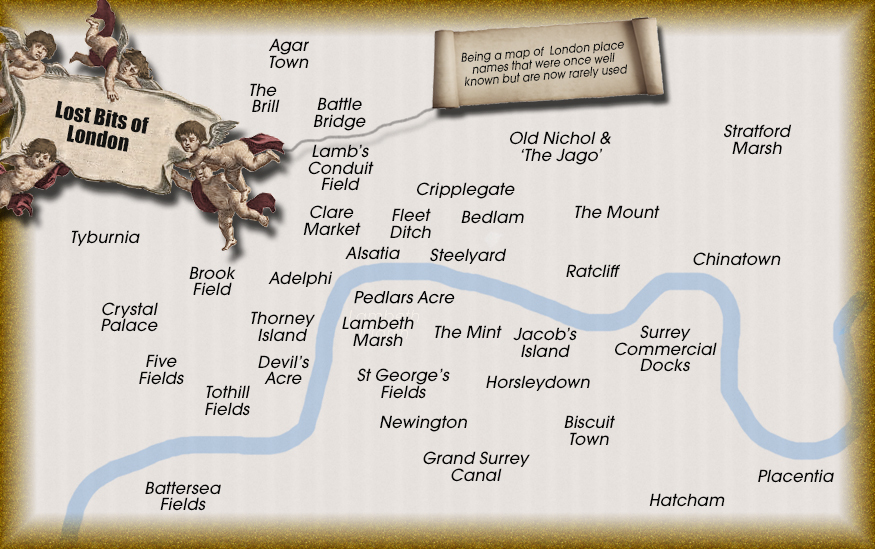
I have just come across the article below which lists some of the old and ancient names of different areas of London. They don’t all reference the era we are most interested in, but the explanations are still of interest. Click on link to see whole aticle. Mapped: London’s Lost Neighbourhoods
-
A short while ago I had cause to question a source that spoke of Edward of Middleham coming south to London with his mother, Anne Neville. My source at that time was http://www.basiccarpentrytechniques.com/Medieval%20Towns/The%20Story%20of%20London/46618-h.htm#CHAPTER_II In the above work is the following paragraph:-… “Edward IV. died on April 9, 1483, and his young son, Edward V., was…
-
TREASON 3 – The Long Parliament 1649
Algernon Sidney, anarchy, Bishops, Carisbroke castle, Catholicism, Charles I, Charles II, Church of England, Commonwealth, constitutional monarchy, Cornet George Joyce, dethronement, Edward II, Elizabeth I, executions, Henry VI, Holmby House, House of Commons, House of Lords, Interregnum, James VI/I, James VII/II, John, John Bradshaw, John Cooke, Juxton, Laud, lex talionis, Lockyer, London, Long Parliament, Lords Appellant, Magna Carta, Mary II, Mass, Merciless Parliament, Naseby, Netherlands, New Model Army, Newcastle, Oliver Cromwell, Oxford, Parliament of Devils, Preston, Pride’s Purge, Puritans, Restoration, Richard Duke of York, Richard II, Robertson, Royal Assent, Rupert, Samuel Gardiner, Scotland, Short Parliament, siege of Colchester, Sir Charles Lucas, Sir George Lisle, Sir Orlando Bridgeman, Sir thomas Fairfax, Southwell, Spain, Strafford, treason, Treaty of Newport, Triennial Act, tyranny, Veronica Wedgwood, Whitehall, William III, WindsorIntroduction “ The scaffold was hung round with black, and the floor covered with black, and the axe and block (were) laid in the middle of the scaffold. There were divers companies of Foot and Horse on every side of the scaffold, and the multitude of people that came to be spectators were very great.”[1]…
 The New Murrey and Blue blog