kyphosis
-
The Richard III Society has posted a series of You Tube videos, debunking some of the myths regarding Richard. They are quite short, between five and just over ten minutes long. Here is the first one: Who Was Richard III? – Busting the Mythology: 1. Was Richard a hunchback?
-
When people, who had known Richard III in life and would have seen evidence but obviously hadn’t, wrote subsequently that he suffered from kyphosis, not scoliosis, their statements are best described as lies, as shown by the evidence found in Leicester almost a dozen years ago. When Henry VII re-legitimated his wife and thus…
-
Here’s an interesting take on Shakespeare‘s Richard II. Please note, NOT Richard III. There is a myth that this play was written to flatter the Tudor queen Elizabeth, and yet one scene came so close to the bone, so to speak, that she had it excised from every performance! Amused she was not. The scene…
-
We have already shown how Shakespeare was inadvertently influenced by contemporary or earlier events in setting details – names, events, badges or physical resemblance – for his Hamlet, King Lear and Richard III. What of Romeo and Juliet, thought to have been written between 1591-5 and first published, in quarto form, in 1597? The most…
-
Richard III and Robert Cecil (Part II)
anti-Stratfordianism, Battle of Bosworth, Earls of Oxford, Edmund Duke of Somerset, executions, First Battle of St. Albans, historical fiction, Janet Reedman, Joanne Larner, John Tiptoft Earl of Worcester, Josephine Tey, kyphosis, Lord High Constable, Richard III, Robert Cecil, Rosemary Hawley Jarman, scoliosis, Shakespeare, Sharon Kay Penman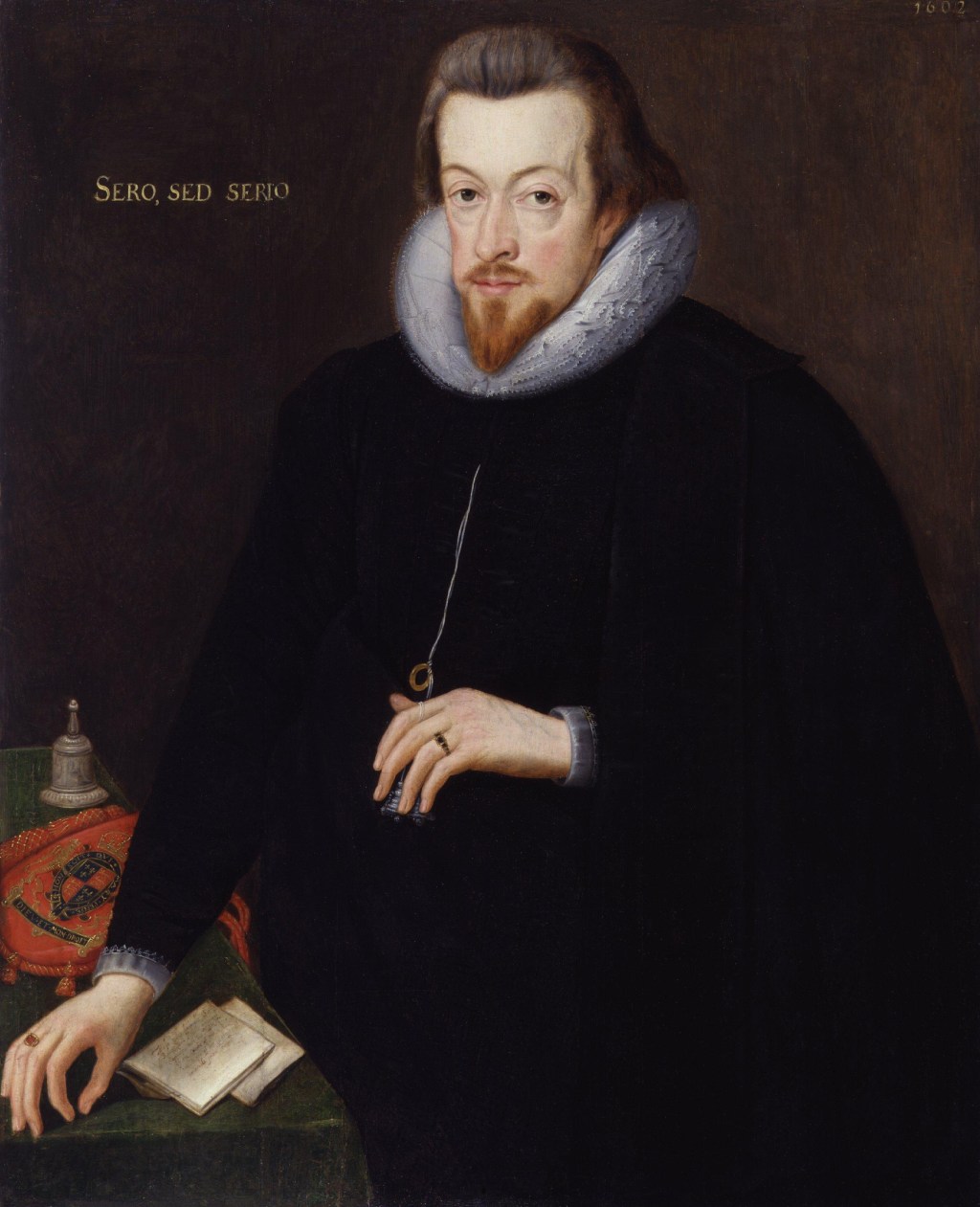
In a previous post, we explored the theory that Shakespeare’s Richard III was actually based on the Elizabethan politician, Robert Cecil. Here is another discussion of the subject, Richard III and Robert Cecil, with references to the hypothesis that Shakespeare was actually the 17th Earl of Oxford, a descendant of the previous Earls of Oxford…
-
Today in 1564, Christopher Marlowe (right) was baptised in Canterbury. One of the plays for which he is most famous is Edward II (left), traditionally dated a year before his own 1593 death. In it, he fuels the myth of Edward meeting his end by a red-hot poker. This is cited by Starkey in…
-
Well, it’s true. They are. And it’s wrong! A terrible injustice that I hope will soon be a thing of the past. Shakespeare turned Richard into something ridiculously grotesque and over the top, yet the truth was that he suffered from scoliosis, a condition that would not even have been evident in his lifetime, except to anyone…
-
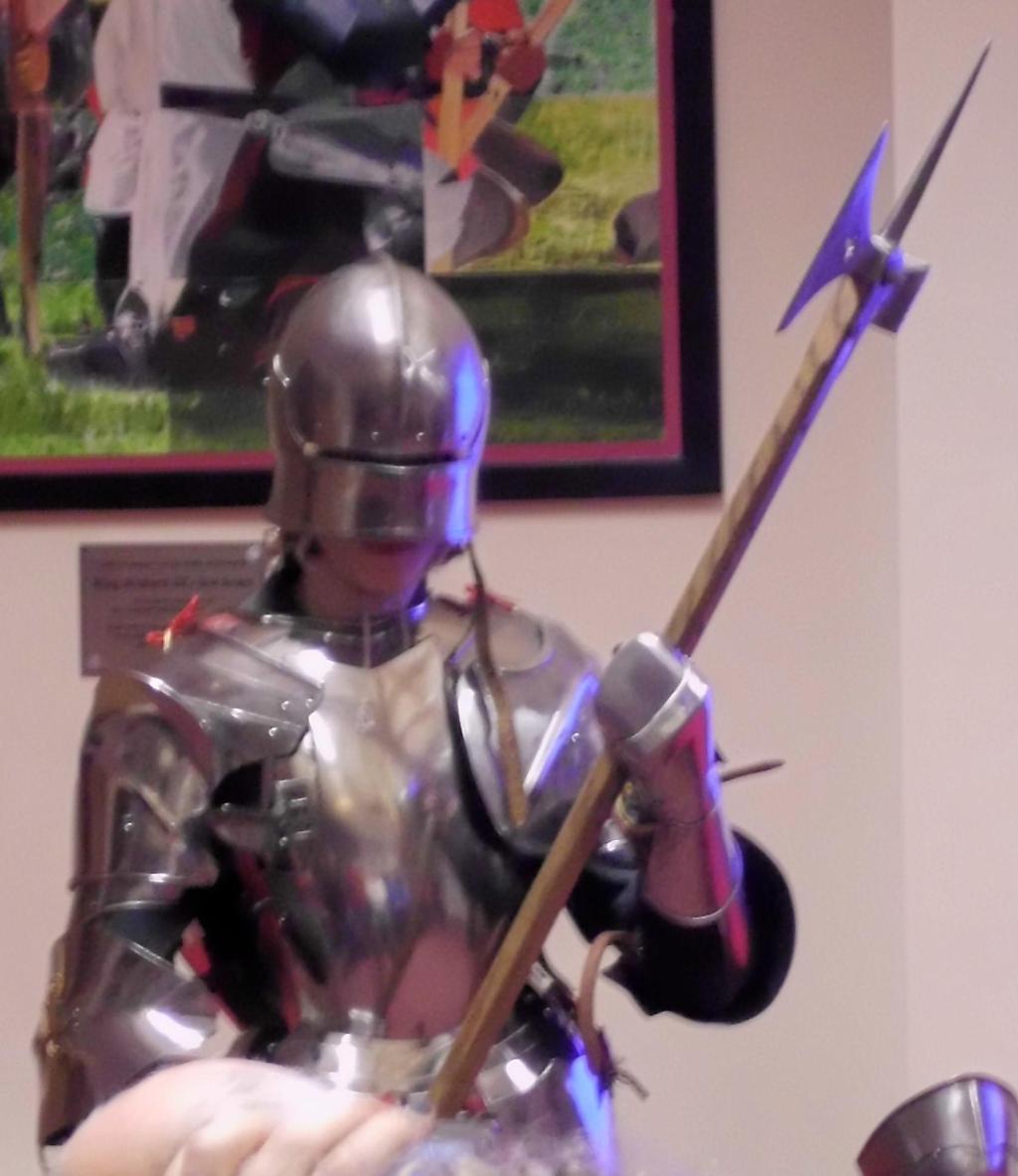
I have been watching the BBC’s ‘The Hollow Crown’ with interest, as I have never actually seen the whole of Shakespeare’s Richard III and none of Henry VI (Parts I and II). At first I was appalled at Benedict Cumberbatch’s grotesquely exaggerated portrayal of Richard, but consoled myself by thinking that at least, because people…
-
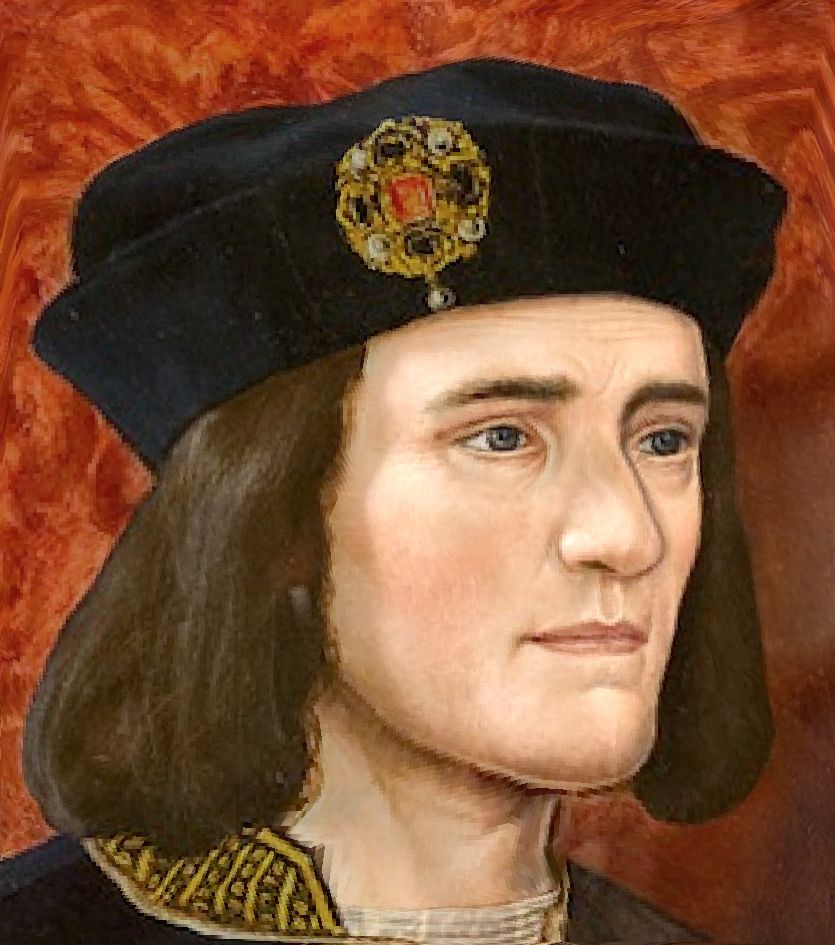
A member of the Richard III Society, Ian Dixon Potter who is a playwright has written a new theatre play about Richard III which opens in London on December the 8th. <<‘Good King Richard’ is the culmination of many months of research going back to contemporary sources and presents a revised view of Richard III,…
-
Reading the previous excellent post, titled “Richard III’s back!” by jrlarner, must have made more of an impression on me than I realized, because I awakened this morning with Richard’s back on my mind. There I lay, too comfortable to get up, and my brain did its usual wandering. That’s why I keep a notebook by…
 The New Murrey and Blue blog